
Ages and stages / 2 months
Your 2-month-old
At two months, many babies start to feel a little more like people. Days still run on feeding, sleeping and changing, but there are more stretches of quiet alertness, and some babies begin to focus on a face or a voice for longer. Crying is still common, especially in the late afternoon and evening, and many parents find it helps to expect that rather than read it as a sign something is wrong. The big change this month is often the first real smile, which often arrives around six to eight weeks and can make the whole house feel lighter. Parents usually notice that their baby is starting to track movement, turn toward sounds, and wake a bit more predictably between feeds. Every baby settles into this at a different pace.
Sleep
14–17 hours
in 24 hours, naps included; sleeps in stretches of 2–4 hours around the clock; no schedule yet.
Clothing size
0–3 months
8–12.5 lb. Sizes run small; most babies move up early.
Car seat
Rear-facing (infant or convertible seat) as long as the seat's rear-facing height and weight limits allow, usually well past age 2; rear-facing is the safest position at this age.
What most babies do at 2 months
Most means about three in four, the CDC's framing. Many do these later and are fine; if several are missing, mention it at the next visit.
Moving
Many 2-month-olds lift their head briefly when lying on their tummy and turn their head from side to side. Their arms and legs move in more smooth, purposeful ways, and some begin to bring their hands toward the middle of the body. Holding the head steady when pulled to sitting is still a work in progress for most. Range: some babies are already lifting their head well, while others are still building that strength.
Talking and understanding
Many babies this age coo, make soft vowel sounds, and respond to a familiar voice by quieting or turning. Some begin to make small throaty or gurgling noises during play. Crying still does most of the talking. Range: some babies coo often early on, and others are quieter for a few more weeks.
Social and feelings
Many 2-month-olds begin to smile in response to a face or voice, and some start to look at a parent's face for longer stretches. A social smile often appears around six to eight weeks, though some babies smile a little earlier or later. Range: timing varies widely, and most babies show some social engagement by this age.
Thinking and learning
Many babies this age follow a moving object or face with their eyes for a short distance and pay closer attention to bright, high-contrast patterns. Some seem to recognize familiar people and routines. They may start to look at their own hands with interest. Range: attention spans are still short, and some babies are more alert than others.
Sleep and feeding
Sleep at 2 months
14–17 hours in 24, sleeps in stretches of 2–4 hours around the clock; no schedule yet.
Most 2-month-olds sleep about 14 to 17 hours in a 24-hour period, mostly in stretches of two to four hours around the clock, with no set schedule yet. Night sleep is still broken up by feeds, and some babies have a fussy stretch in the late afternoon or evening. Many babies go through a sleep change around two to four months, sometimes called a regression. For a practical tip, try to put your baby down drowsy but awake when you can, which helps build the habit of falling asleep on their own.
Ranges from the American Academy of Sleep Medicine, endorsed by the AAP. Under one: on the back, alone, in a bare crib.
Feeding at 2 months
Breast milk or infant formula only. On demand, roughly every 2–4 hours; about 24–32 oz of formula a day by 4–6 months if formula-fed. No water, juice or solids yet unless your pediatrician says so.
At two months, babies usually feed on demand, roughly every two to four hours, and many feed a bit more during growth spurts. Breast milk or infant formula is the only food they need right now, and water, juice and solids are not part of the plan unless your pediatrician advises otherwise. Feeding can still feel unpredictable, so watch for hunger cues like rooting, hand-to-mouth movements, or lip smacking. For a practical tip, if you are formula feeding, paced bottle feeding can help your baby stop when they are full.
Loading the CDC data… Add your state to see your own.
Weight and length against the CDC charts for this age: check the percentile → A percentile is a position, not a grade; the curve over visits is what your pediatrician watches.
Vaccines due around now
- DTaP
- IPV (polio)
- Hib
- PCV (pneumococcal)
- Rotavirus (oral)
- Hepatitis B (if not given at 1 month)
From the CDC child immunization schedule; your pediatrician's record is the one that counts. Full schedule →
Health at 2 months
Common at this age are fussy evenings, spit-up, mild congestion from colds, and irregular bowel movements that can look alarming but are often normal for a breastfed or formula-fed baby. Many babies have their two-month well visit around now, which is a good time to check growth, feeding, and immunizations. Growth spurts can bring more frequent feeds and a few cranky days. Parents often find it helpful to keep notes on feeds, wet diapers, and sleep to share at visits.
Worth a call to the pediatrician- Fever of 100.4 F (38 C) or higher in a baby this young, which needs prompt medical attention.
- Feeding poorly, refusing feeds, or having fewer wet diapers than usual, which can signal dehydration.
- Trouble breathing, a bluish color around the lips, unusual sleepiness that is hard to wake from, or persistent forceful vomiting.
A fever of 100.4°F or more in a baby under 3 months is always a same-day call. Poison Control: 1-800-222-1222.
Play and safety
Things to do together
- Hold your baby upright facing you and talk slowly about what you see, using a soft, expressive voice.
- Lay your baby on their tummy on a firm surface for a few minutes while you sit nearby and talk or sing to them.
- Move a bright face or your own face slowly from side to side and watch whether your baby follows it with their eyes.
- Sing the same short song at bath time or before a nap so your baby starts to link the sound with the routine.
Toys that fit this age
High-contrast cards and a mirror at tummy-time height · A soft rattle held by you · Your face and your voice: nothing beats them
Safety at exactly this age
- Always place your baby on their back to sleep on a firm, flat surface with nothing soft around them, which lowers the risk of sudden infant death.
- Never leave your baby alone on a bed, sofa or changing table, since many babies start to lift their head and roll in the coming weeks.
- Keep cords, blind strings and small objects out of reach, because your baby is beginning to bring hands toward their face and mouth.
Recent baby product recalls
Kidsview Infant Bouncer · U.S. CPSC · Nov 19
Baby Rattle and Teether Toy Sets · SHEIN Distribution Corporation, of Los Angeles, California · Nov 12
SuperFast Sterilizer Dryers · Baby Brezza Enterprises LLC, of Newark, New Jersey · Nov 5
ONTHEWEI Baby Bath Seats · Hubei Youhong Trading Co., Ltd., dba ONTHEWEI, of China · Oct 8
Questions parents ask at 2 months
How much should a 2-month-old sleep?
Most 2-month-olds sleep about 14 to 17 hours in 24, in stretches of two to four hours with no set schedule. Night sleep is still broken up by feeds. Sleep patterns shift over the first year, so it is normal for the schedule to keep changing.
How often should my 2-month-old eat?
Most babies this age feed on demand, roughly every two to four hours, and may feed more often during growth spurts. Breast milk or infant formula is all they need right now. Watch for hunger cues like rooting or lip smacking rather than strict clock times.
When will my baby start smiling?
Many babies start smiling at people around six to eight weeks, and some do it a little earlier or later. A social smile is a big milestone, but timing varies. If you have concerns about how your baby responds to faces and voices, mention them at the next well visit.
Is it normal for my baby to cry so much in the evening?
Evening fussiness is very common in the first few months and often peaks around six to eight weeks. Many babies calm with rocking, swaddling for sleep, or gentle movement. If crying seems unusual or you are worried, check with your pediatrician.
Do I need to start a bedtime routine now?
A simple, calm routine like a feed, a quiet change, and a soft song can help your baby learn that sleep time is coming. Routines do not have to be strict at two months. Many families find that consistency helps more than any particular steps.
Picks for a 2-month-old
The maker's own age label is shown on every product; we do not add our own.
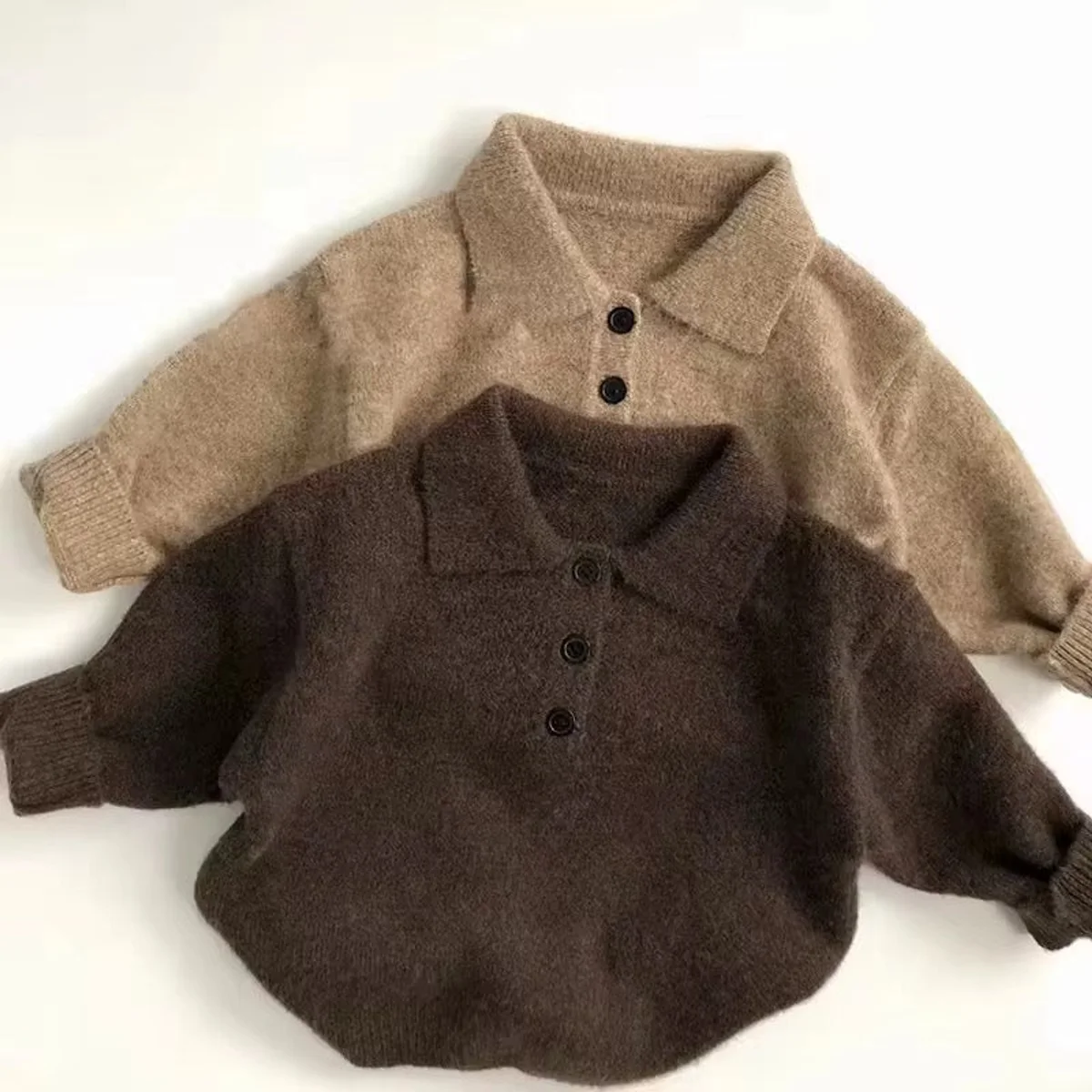 Toddlers
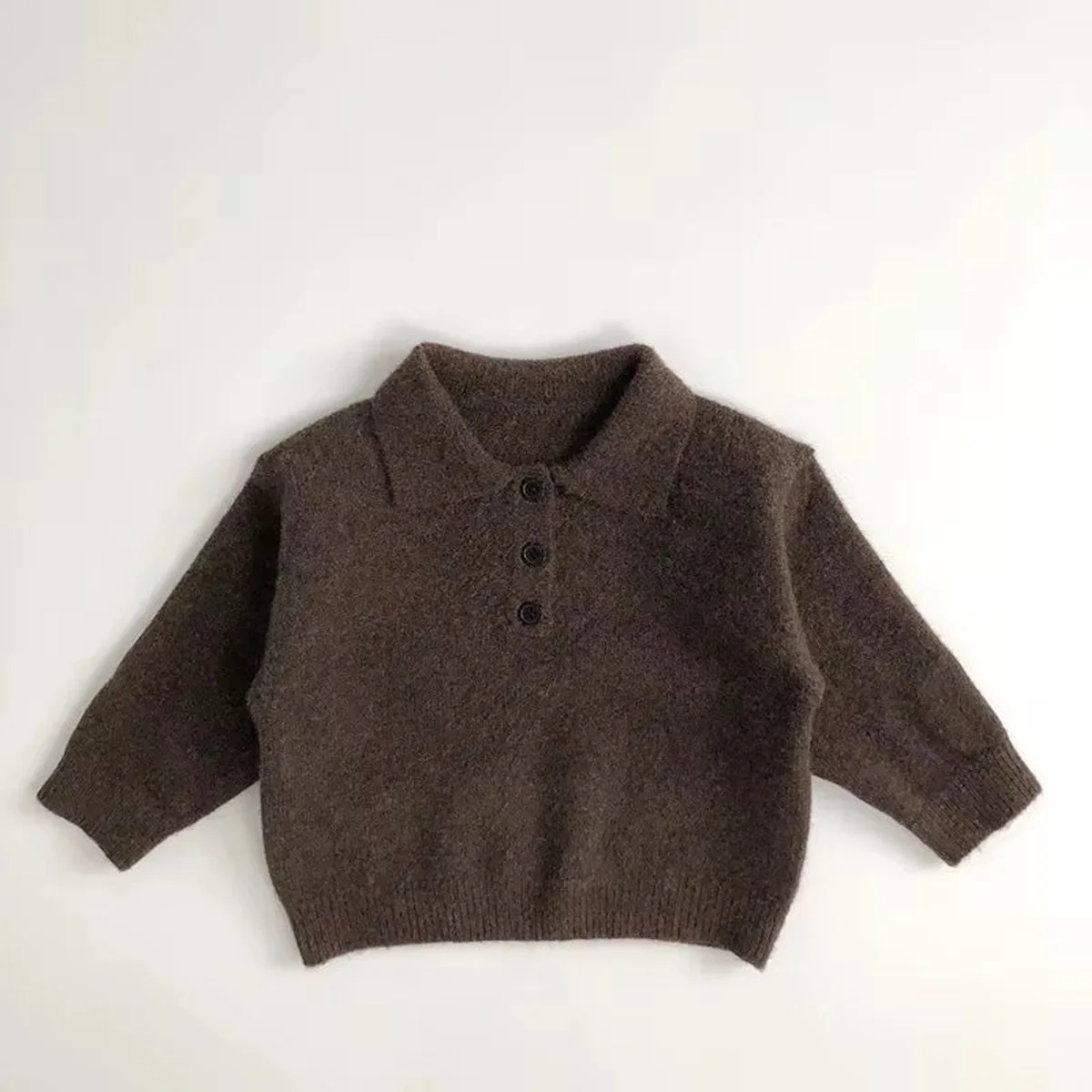
 Toddlers

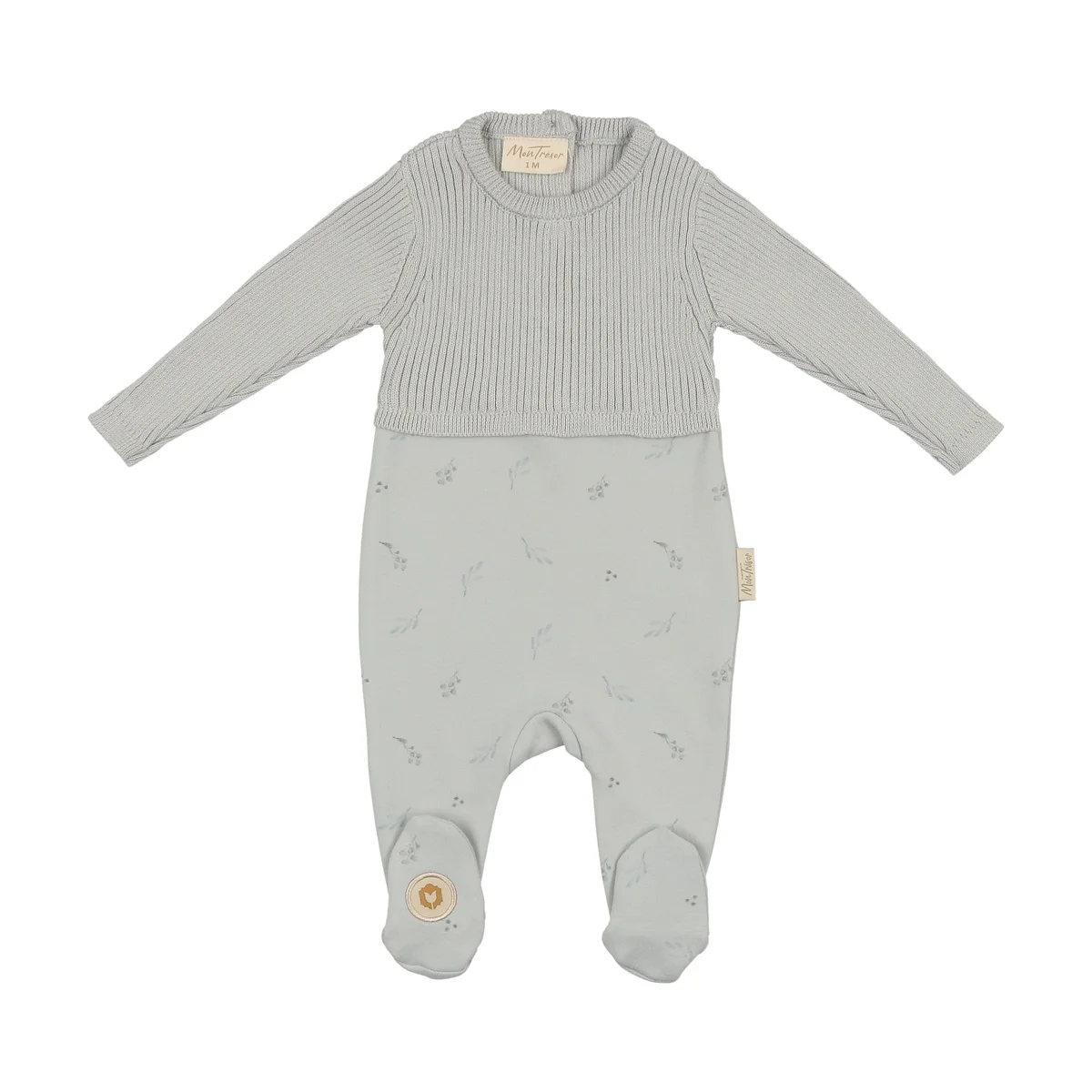 Toddlers
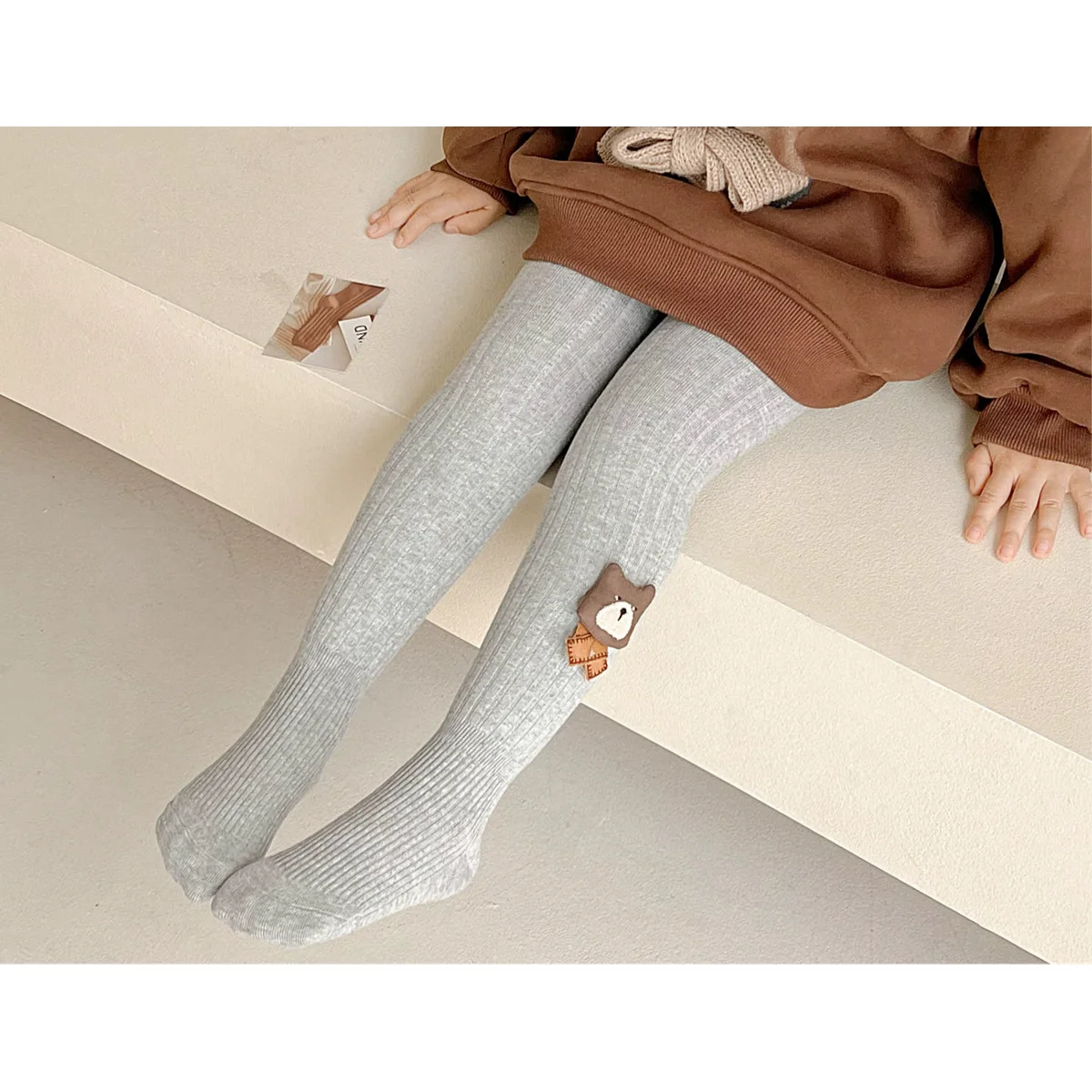 Toddlers
Written by Snugtot editors · updated Nov 13, 2026 · milestones after the CDC's "Learn the Signs. Act Early." program; sleep ranges from the AASM; feeding and vaccines from CDC and AAP guidance. General information, not medical advice; your pediatrician knows your child.