
Ages and stages / 2 years 10 months
Your 2-year-10-month-old
At two and a half to three, most toddlers are busy, opinionated, and quick to feel big feelings. This is often the stage where a child starts saying what they want, and what they refuse, with real conviction. Many children run, climb, and carry things with growing confidence, and they love doing things by themselves. The big change this month is usually language: sentences of three or more words are becoming common, so parents often notice their child narrating, asking questions, and arguing a point. Tantrums are common because wants now outpace words and self-control. Parents tend to notice first how much more their child understands, how independent they want to be, and how quickly a calm, predictable routine helps the whole family.
Sleep
11–14 hours
in 24 hours, naps included; 1 afternoon nap of 1–2 hours.
Clothing size
2T
30–33 lb. T sizes are cut for a toddler with a diaper; 2T is roomier than 24M.
Car seat
Rear-facing until the seat's limit, then forward-facing with a 5-point harness, in the back seat.
What most children do at 2 years 10 months
Most means about three in four, the CDC's framing. Many do these later and are fine; if several are missing, mention it at the next visit.
Moving
Most children this age run easily, kick a ball forward, climb stairs with one foot per step while holding on, and may begin to pedal a tricycle. Many can stand on one foot briefly and build towers of several blocks. Balance and coordination keep improving over the year, and the range is wide.
Talking and understanding
Most children this age speak in sentences of three or more words and use plurals and simple past tense, though they may still make mistakes. Many can be understood by strangers most of the time and can name familiar objects and people. Vocabulary grows fast, and some children are noticeably more or less verbal than others.
Social and feelings
Most children this age play beside other children, copy adults, and show clear preferences for certain friends or toys. Many express a strong wish for independence, say no often, and can briefly share with help. Some children still find transitions and turn-taking very hard.
Thinking and learning
Most children this age sort objects by shape or color, follow two-step instructions, and begin to understand simple ideas like 'big' and 'little.' Many pretend in playful ways, such as feeding a doll, and can complete simple puzzles. Attention spans vary, and every child's pace differs.
Sleep and feeding
Sleep at 2 years 10 months
11–14 hours in 24, 1 afternoon nap of 1–2 hours.
Most toddlers this age sleep 11 to 14 hours in 24, usually including one afternoon nap of one to two hours. Night sleep is often steady, but many children have stretches of waking, nightmares, or brief regressions around illness, travel, or big changes. A predictable bedtime routine of books, a bath, and quiet talk helps many children settle, and a consistent wake time supports better naps.
Ranges from the American Academy of Sleep Medicine, endorsed by the AAP. Under one: on the back, alone, in a bare crib.
Feeding at 2 years 10 months
Family food, 3 meals and 1–2 snacks. Milk 16–20 oz a day (whole to 2, then whole or reduced-fat as your pediatrician advises), water for thirst, juice rarely and only 4 oz. Picky eating peaks at 2–4; a food takes ten or more tries. Whole nuts, popcorn and hard candy wait until about 4.
Most children this age eat family food in three meals and one or two snacks, and picky eating is very common, often peaking between ages two and four. Offering a food ten or more times, without pressure, helps many children accept it. Milk is usually 16 to 20 ounces a day, water is the drink for thirst, and juice is best kept rare and limited to about 4 ounces.
Loading the CDC data… Add your state to see your own.
Weight and length against the CDC charts for this age: check the percentile → A percentile is a position, not a grade; the curve over visits is what your pediatrician watches.
Vaccines at this age
Nothing new is scheduled this month; the next doses come at the well visits listed on the CDC schedule. A yearly flu shot from 6 months, every fall.
From the CDC child immunization schedule; your pediatrician's record is the one that counts. Full schedule →
Health at 2 years 10 months
Colds and coughs are common at this age, and many toddlers catch several a year as they meet more children in daycare or preschool. Molars may still be coming in, and some children have a growth spurt that makes them seem hungrier for a few days. Well-child visits remain important for checking growth, development, vaccines, and hearing and vision, and your pediatrician can answer questions about your child's own pattern.
Worth a call to the pediatrician- Your child loses skills they once had, such as words, social interest, or walking, at any age.
- Your child rarely or never uses two-word phrases, or seems very hard to understand even to family members.
- Your child has a fever that lasts several days, trouble breathing, or is unusually sleepy or hard to wake.
A fever of 100.4°F or more in a baby under 3 months is always a same-day call. Poison Control: 1-800-222-1222.
Play and safety
Things to do together
- Build a tall tower together with blocks, then take turns knocking it down and rebuilding it.
- Play a simple copy game: you clap a rhythm or make a face, and your child tries to do the same.
- Read a picture book and let your child name the things they see, then ask what sound an animal makes.
- Set up a pretend tea party with a few stuffed animals and let your child serve pretend snacks.
Toys that fit this age
Duplo-style big blocks · Play kitchen and dolls · Simple puzzles of 4–12 pieces · Sidewalk chalk, bubbles, a sand table
Safety at exactly this age
- Toddlers this age can climb onto chairs, beds, and window ledges, so anchor heavy furniture and TVs to the wall and keep climbable items away from windows.
- Many children can now open doors, cabinets, and some childproof latches, so store medicines, cleaning products, and button batteries well out of reach in locked spaces.
- Small objects like coins, beads, and small toy parts are still a choking risk, so check floors and toy bins often and keep whole nuts, popcorn, and hard candy away until about age four.
Recent toy and children's product recalls
CHE-US Magnetic Robot Toys · U.S. CPSC · Nov 19
Fidlock Hermetic Dry Bags · Fidlock GmbH, of Hannover, Germany · Nov 19
Qpancy Children’s Pajama Sets · U.S. CPSC · Nov 19
Kakgold 4WD Stunt Vehicle Toys · U.S. CPSC · Nov 12
Questions parents ask at 2 years 10 months
Is it normal for my 2-year-10-month-old to have tantrums?
Yes, tantrums are very common at this age. Wants often run ahead of words and self-control, so frustration can spill over. Many parents find that calm, consistent responses, offering limited choices, and keeping routines predictable help over time.
How much should my toddler sleep?
Most toddlers this age sleep about 11 to 14 hours in 24, including one afternoon nap of one to two hours. Some children need less nap time, and others still need it. A consistent bedtime and wake time often helps.
My toddler only wants pasta. What do I do?
Picky eating peaks between ages two and four and is very typical. Keep serving a variety of family foods at regular meals, let your child choose from what is offered, and expect that a new food may take ten or more tries before it is accepted.
How much screen time is right at this age?
Major pediatric groups generally suggest limiting screen time for toddlers and choosing high-quality programs to watch together. Talking, reading, and active play matter more for language growth. Your pediatrician can help you decide what works for your family.
When should I start potty training?
Many children begin showing readiness signs between about two and three, such as staying dry for longer stretches, pulling at a diaper, or wanting to copy adults. Readiness varies widely, so there is no need to rush. Talk with your pediatrician if you have concerns.
Picks for a 2-year-10-month-old
The maker's own age label is shown on every product; we do not add our own.
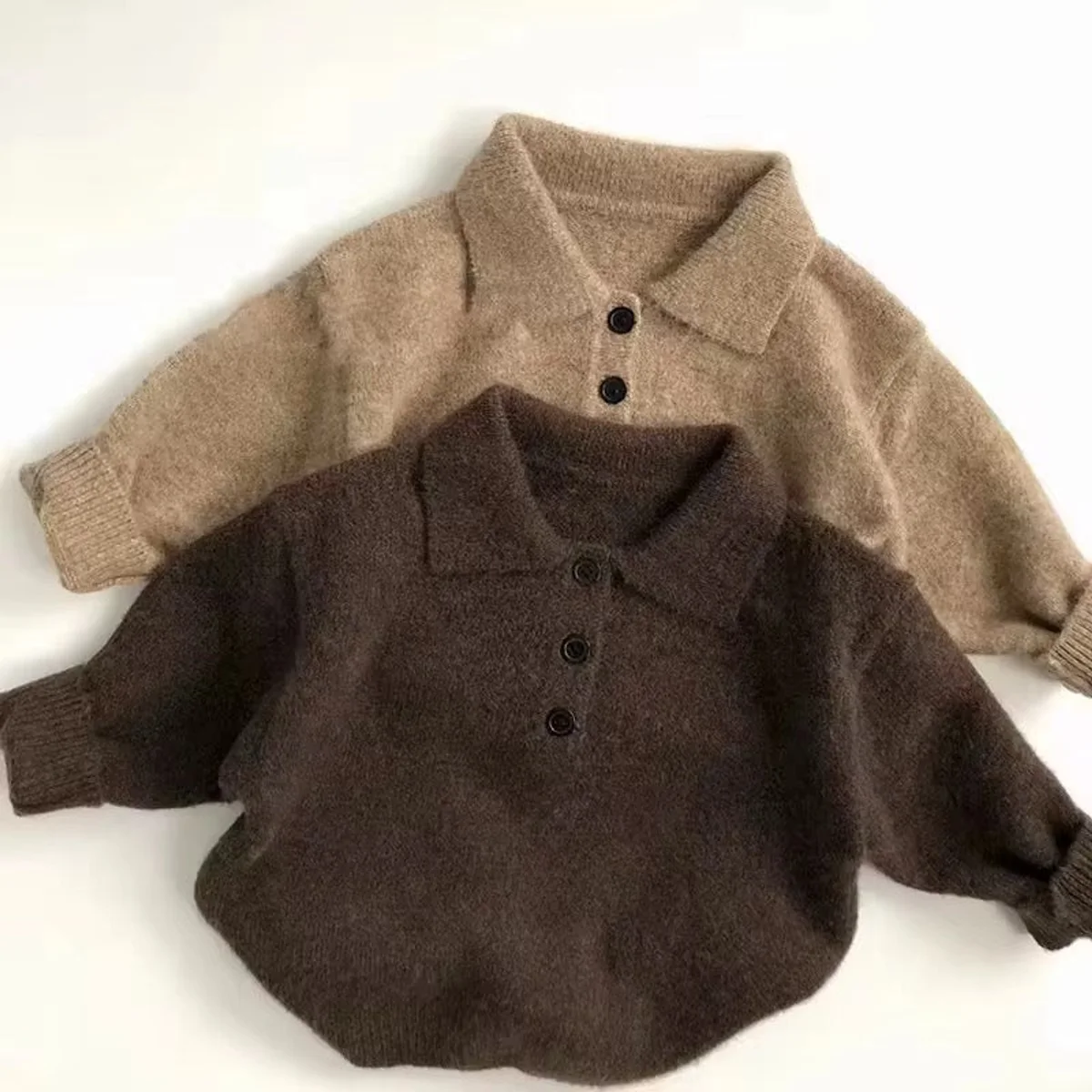 Toddlers
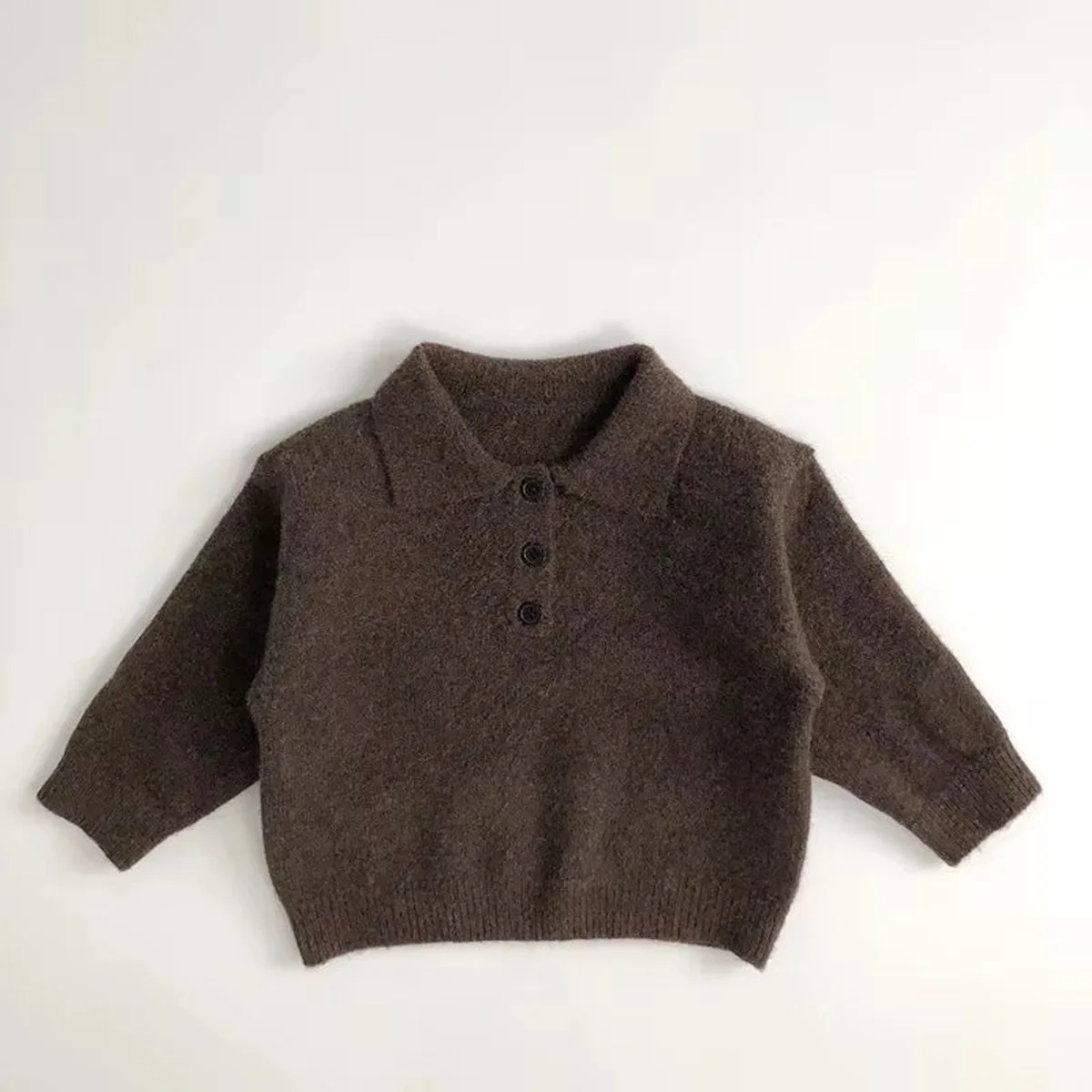
 Toddlers

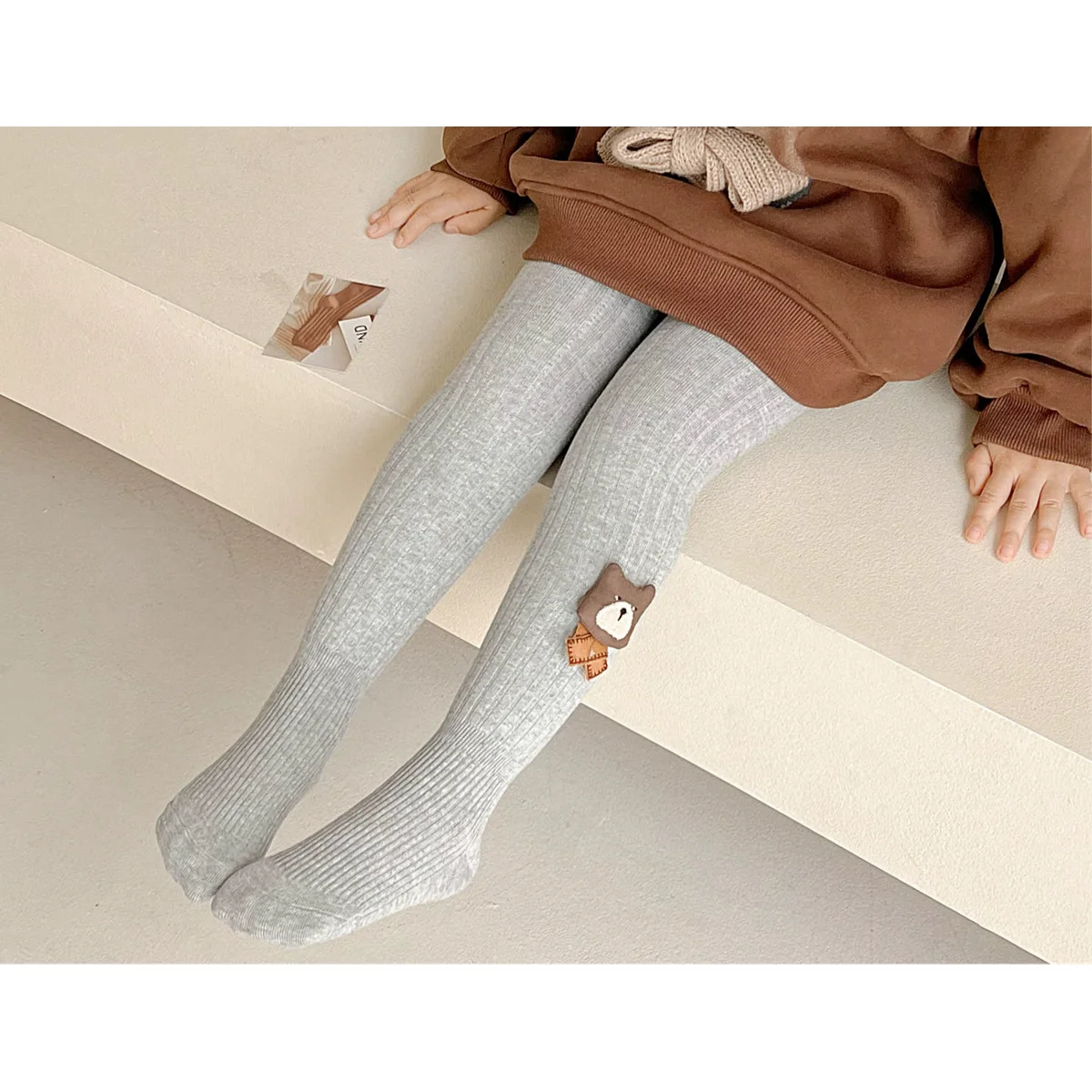 Toddlers

 Toddlers
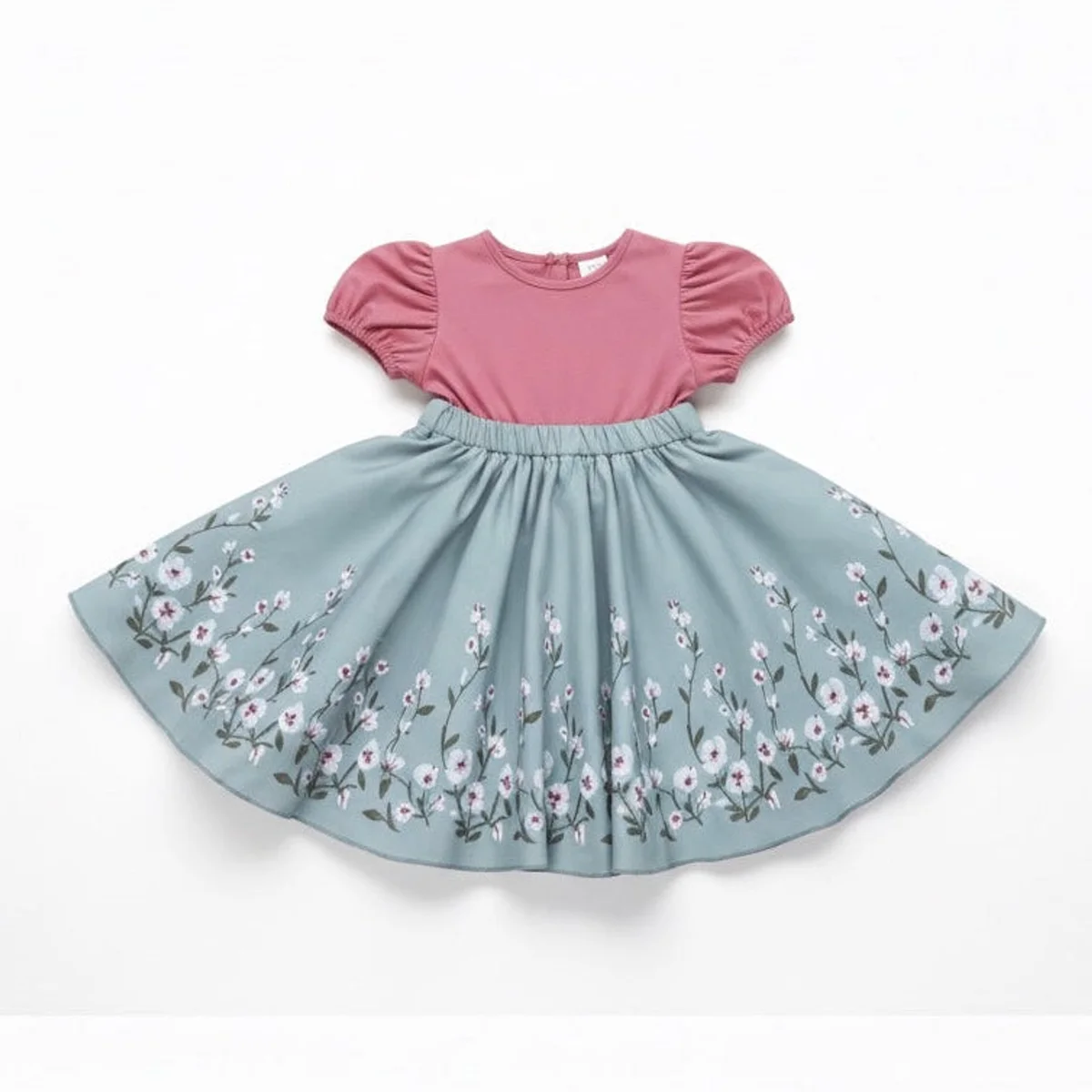
Written by Snugtot editors · updated Nov 13, 2026 · milestones after the CDC's "Learn the Signs. Act Early." program; sleep ranges from the AASM; feeding and vaccines from CDC and AAP guidance. General information, not medical advice; your pediatrician knows your child.