
Ages and stages / 2 years 6 months
Your 2-and-a-half-year-old
At two and a half, toddlers are busy, opinionated, and growing into their own person. Many are fiercely independent one minute and clingy the next, testing limits with a mix of curiosity and determination. Language is taking off, so you may notice longer sentences, favorite words repeated again and again, and a strong sense of what they want and do not want. Routines matter a great deal now, and transitions like leaving the park or ending bath time can bring big feelings. Many children also begin to show interest in pretend play, copying grown-up tasks, and playing alongside other kids rather than strictly on their own. Parents often notice the emotional swings first: a joyful laugh followed quickly by a meltdown over a dropped snack. This is a season of rapid learning, and most of it is loud, messy, and wonderful.
Sleep
11–14 hours
in 24 hours, naps included; 1 afternoon nap of 1–2 hours.
Clothing size
2T
30–33 lb. T sizes are cut for a toddler with a diaper; 2T is roomier than 24M.
Car seat
Rear-facing until the seat's limit, then forward-facing with a 5-point harness, in the back seat.
What most children do at 2 years 6 months
Most means about three in four, the CDC's framing. Many do these later and are fine; if several are missing, mention it at the next visit.
Moving
Most children this age run well, kick a ball forward, climb stairs with one foot on each step, and jump with both feet. Many can pedal a tricycle and build towers of six or more blocks. Some are starting to hop on one foot. Skill levels vary widely from child to child.
Talking and understanding
Most children at this age use two- to three-word sentences and understand many simple questions. Many name familiar objects and body parts, and their speech is often understandable to people outside the family. Some are still working on clear pronunciation, which is typical. Vocabulary grows quickly for most children.
Social and feelings
Many children this age play beside other kids, sharing sometimes and grabbing sometimes. Most show a wider range of feelings, including pride, frustration, and affection. Some begin to use words to express needs instead of only tantrums, though meltdowns remain common for most toddlers.
Thinking and learning
Most children this age sort objects by shape or color, follow two-step directions, and begin pretend play such as feeding a doll. Many can point to pictures when named and recall recent events. Some start to count a few objects. Attention spans are growing, though still short for most.
Sleep and feeding
Sleep at 2 years 6 months
11–14 hours in 24, 1 afternoon nap of 1–2 hours.
Most toddlers this age sleep 11 to 14 hours in 24, usually including one afternoon nap of one to two hours. Night sleep is often steady, but many children have temporary setbacks around illness, travel, or new skills. A common regression appears around this time as children reach new milestones. A predictable bedtime routine, such as a bath, a book, and lights out at the same time, helps most children settle more easily.
Ranges from the American Academy of Sleep Medicine, endorsed by the AAP. Under one: on the back, alone, in a bare crib.
Feeding at 2 years 6 months
Family food, 3 meals and 1–2 snacks. Milk 16–20 oz a day (whole to 2, then whole or reduced-fat as your pediatrician advises), water for thirst, juice rarely and only 4 oz. Picky eating peaks at 2–4; a food takes ten or more tries. Whole nuts, popcorn and hard candy wait until about 4.
Most children this age eat family food, usually three meals and one or two snacks. Milk typically runs about 16 to 20 ounces a day, with water for thirst and juice kept rare and limited to 4 ounces. Picky eating is very common between ages two and four, and a new food may take ten or more tries before it is accepted. Keep serving small portions of a variety of foods without pressure.
Loading the CDC data… Add your state to see your own.
Weight and length against the CDC charts for this age: check the percentile → A percentile is a position, not a grade; the curve over visits is what your pediatrician watches.
Vaccines at this age
Nothing new is scheduled this month; the next doses come at the well visits listed on the CDC schedule. A yearly flu shot from 6 months, every fall.
From the CDC child immunization schedule; your pediatrician's record is the one that counts. Full schedule →
Health at 2 years 6 months
Colds are very common at this age, and many children get several each year as they meet more people at daycare or preschool. Molars may be coming in around now, which can cause fussiness and drooling. Growth tends to slow compared to infancy, so appetite may dip. Well-child visits continue at this age, and your pediatrician can check growth, development, and vaccines.
Worth a call to the pediatrician- Call if your child stops using words or loses skills they once had, such as speech or social interest.
- Reach out if your child does not respond to their name or avoids eye contact most of the time.
- Contact your pediatrician if your child has a fever lasting several days or seems unusually sleepy or hard to wake.
A fever of 100.4°F or more in a baby under 3 months is always a same-day call. Poison Control: 1-800-222-1222.
Play and safety
Things to do together
- Build a fort with blankets and pillows, then crawl inside together to read a favorite story.
- Set up a pretend tea party with stuffed animals and let your child serve pretend snacks to each guest.
- Play a simple game of follow the leader, where you take turns hopping, stomping, or spinning.
- Sort laundry or kitchen items by color or shape and count them out loud together.
Toys that fit this age
Duplo-style big blocks · Play kitchen and dolls · Simple puzzles of 4–12 pieces · Sidewalk chalk, bubbles, a sand table
Safety at exactly this age
- Toddlers this age can climb onto furniture, so anchor heavy shelves, dressers, and TVs to the wall.
- Keep small objects, button batteries, and small magnets well out of reach, since children this age often put things in their mouths.
- Stairs are a common hazard now that many children climb independently, so use gates at the top and bottom and supervise closely.
Recent toy and children's product recalls
CHE-US Magnetic Robot Toys · U.S. CPSC · Nov 19
Fidlock Hermetic Dry Bags · Fidlock GmbH, of Hannover, Germany · Nov 19
Qpancy Children’s Pajama Sets · U.S. CPSC · Nov 19
Kakgold 4WD Stunt Vehicle Toys · U.S. CPSC · Nov 12
Questions parents ask at 2 years 6 months
Is screen time okay for a 2-and-a-half-year-old?
Major pediatric guidance suggests limiting screen time for children this age and choosing high-quality programs watched together when possible. Many families find that shared reading, play, and conversation support language more than passive viewing. Your pediatrician can help you think through what works for your child and your household.
Why is my toddler suddenly so picky about food?
Picky eating is very common between ages two and four and is a normal part of growing independence. Many children need ten or more exposures to a food before accepting it. Keep offering small portions of family foods without pressure, and let your child decide how much to eat.
How do I handle tantrums at this age?
Tantrums are typical as toddlers learn to manage big feelings with limited words. Staying calm, keeping your child safe, and offering simple words for feelings often helps over time. Predictable routines and offering limited choices can prevent many meltdowns.
When should I start potty training?
Many children show readiness signs around this age, such as staying dry for longer stretches or showing interest in the toilet. Some children are ready later, and there is a wide range of normal. Your pediatrician can offer guidance if you have questions about your child's readiness.
Is my child ready for preschool at this age?
Many children this age enjoy short, play-based group settings and benefit from time with peers. Readiness depends on temperament, language, and comfort with separation, all of which vary widely. Look for a program that fits your child's pace and your family's needs.
Picks for a 2-and-a-half-year-old
The maker's own age label is shown on every product; we do not add our own.
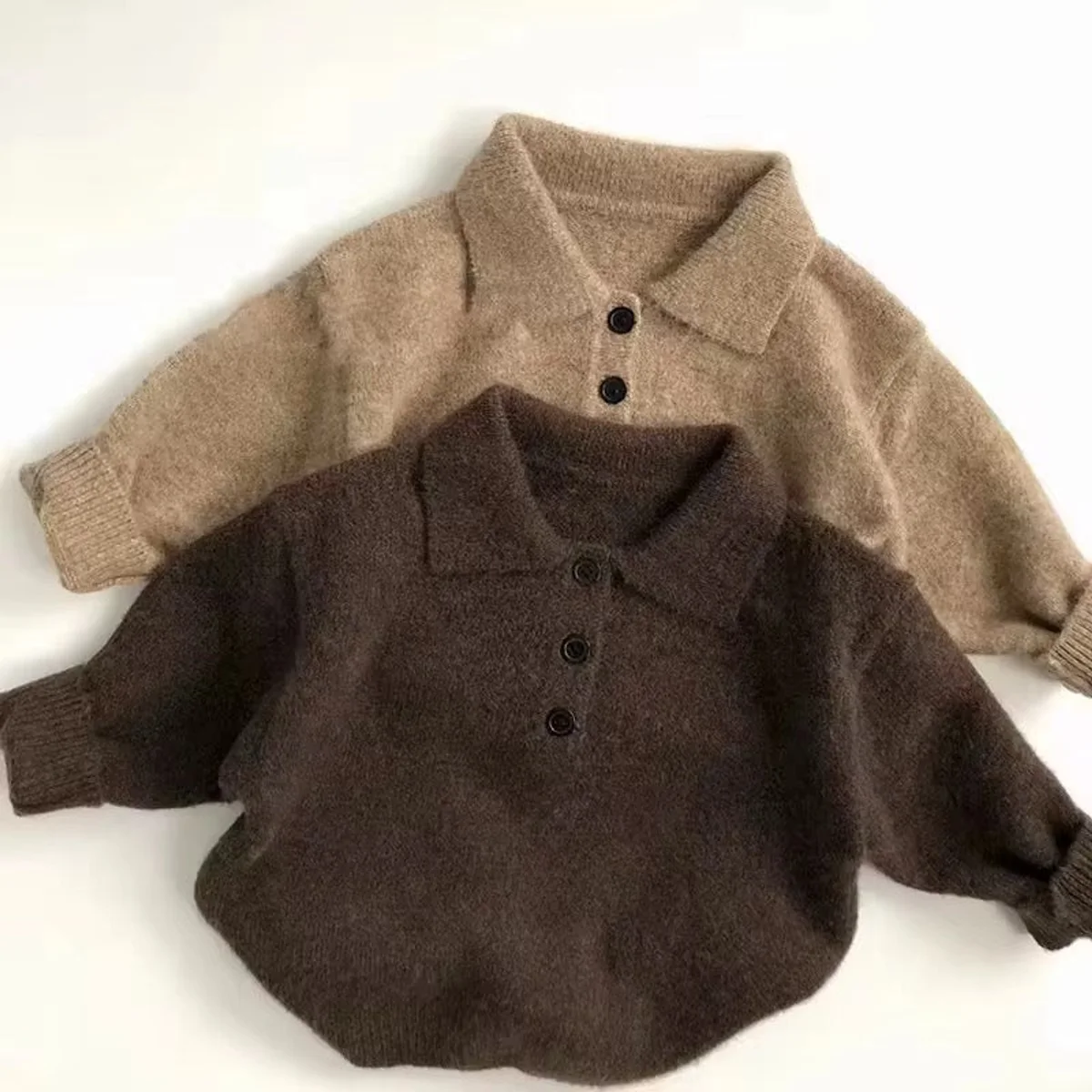 Toddlers
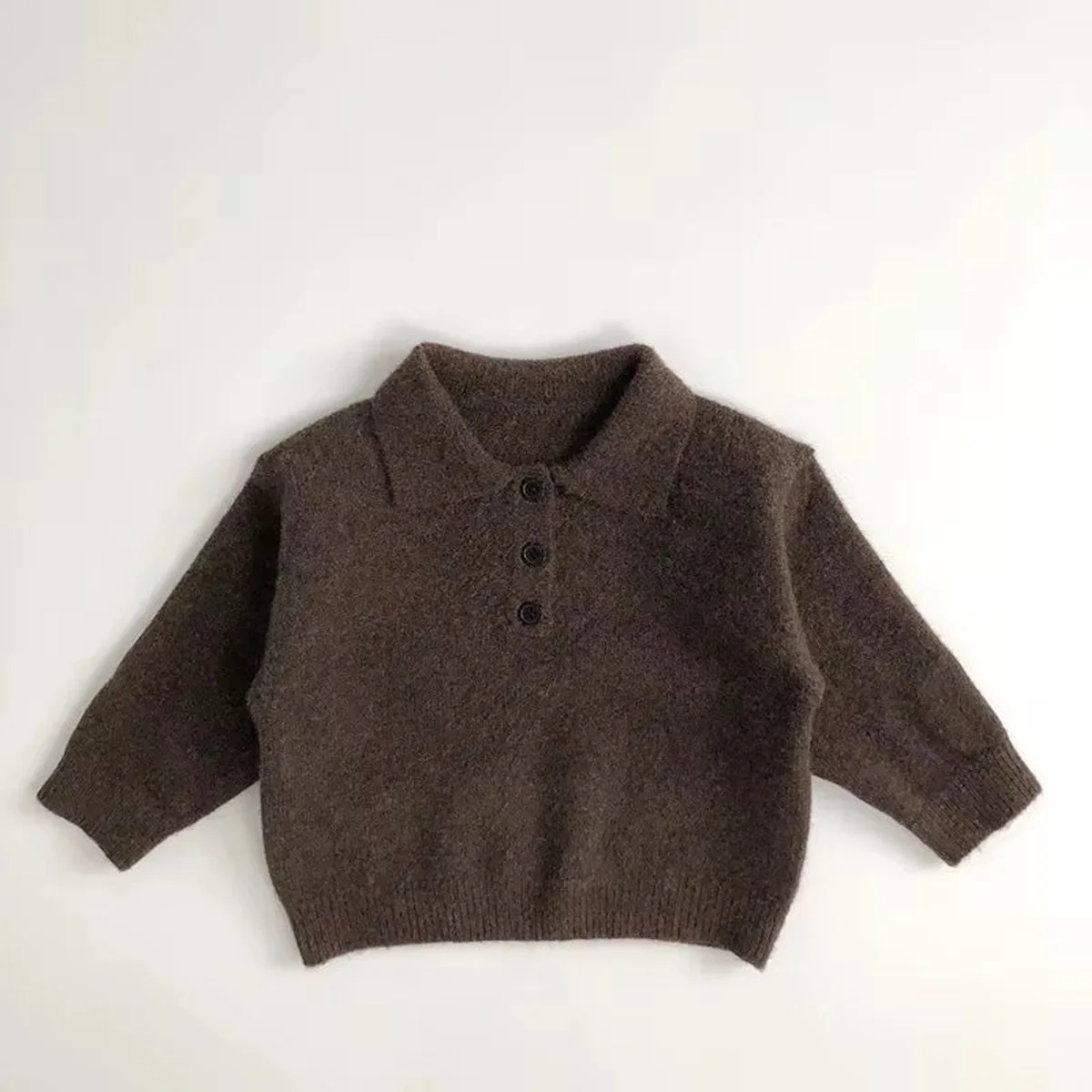
 Toddlers

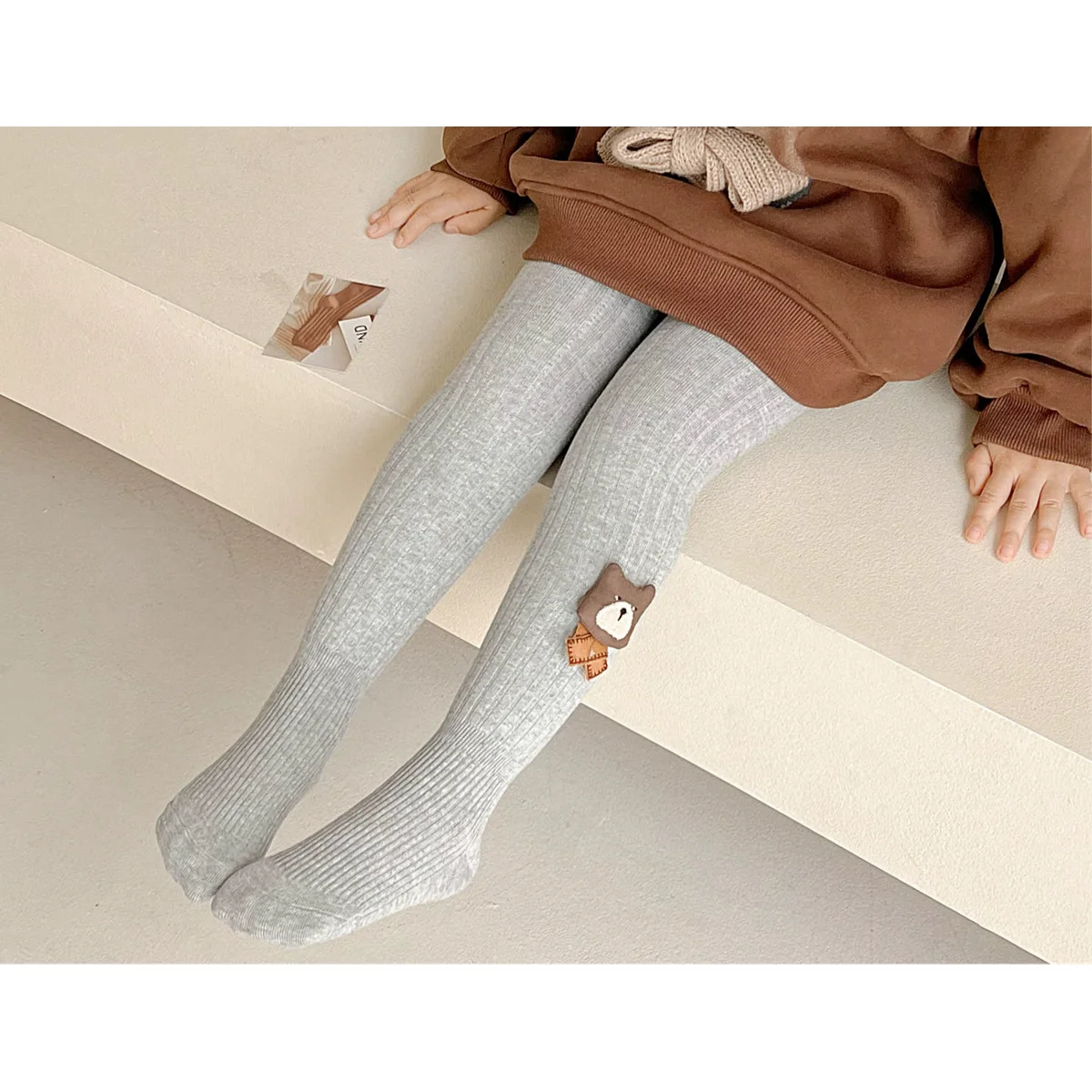 Toddlers

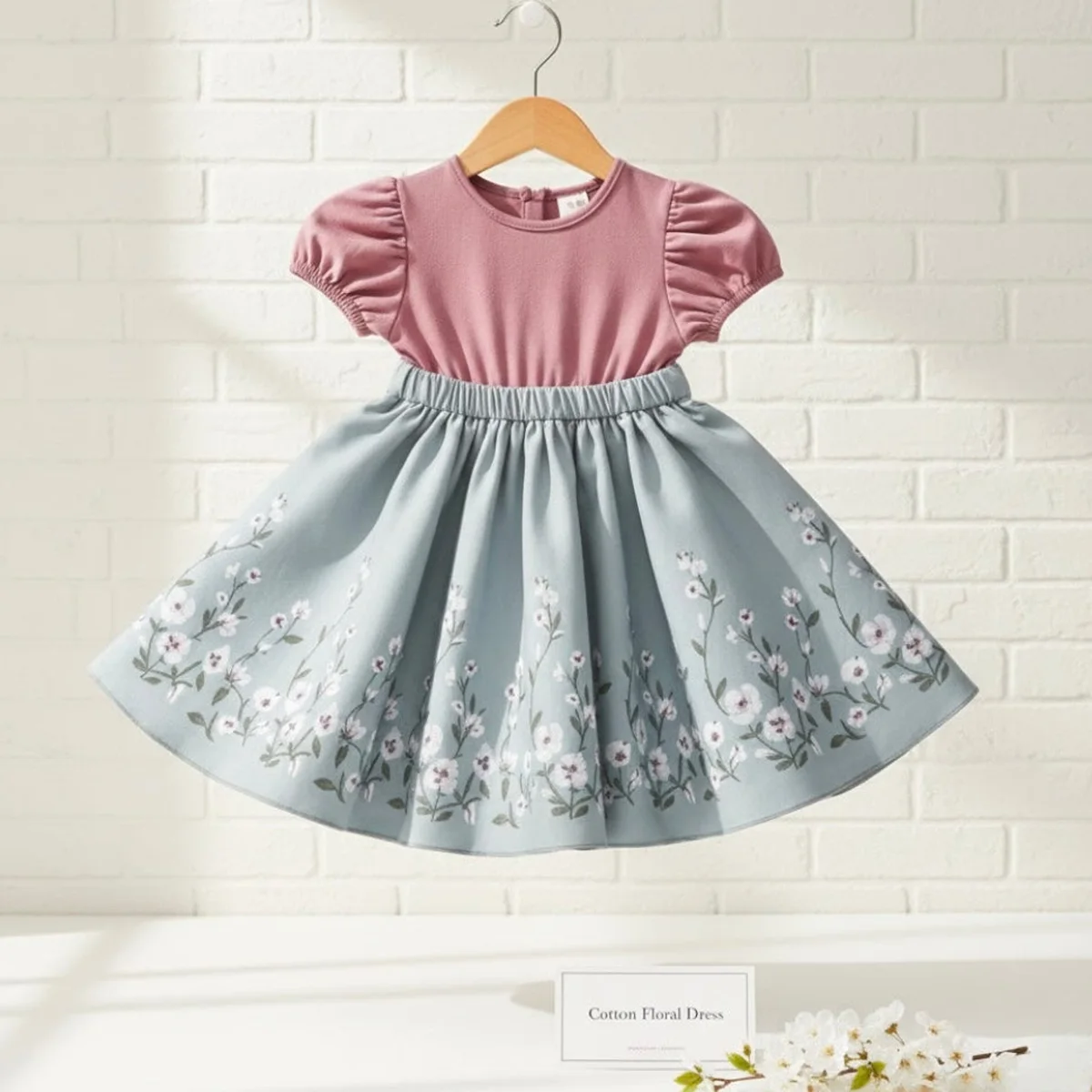 Toddlers
Written by Snugtot editors · updated Nov 13, 2026 · milestones after the CDC's "Learn the Signs. Act Early." program; sleep ranges from the AASM; feeding and vaccines from CDC and AAP guidance. General information, not medical advice; your pediatrician knows your child.