
Ages and stages / 3 years
Your 3-year-old
Three is a stretch of big feelings and bigger opinions. Most three-year-olds are talkative, curious, and eager to help with small jobs, yet they can also swing from delight to frustration within minutes. Many are learning to take turns, to wait a little, and to say what they want instead of acting it out. The biggest change this month is language: sentences get longer, questions never stop, and many children start telling stories about what happened at school, at the park, or in their own imagination. Parents often notice first how much their child understands, how quickly they pick up routines, and how strongly they want to do things independently. Some days feel effortless and others feel like a negotiation, and both are normal at this age.
Sleep
10–13 hours
in 24 hours, naps included; 1 nap, often dropped between 3 and 5.
Clothing size
3T
33–36 lb. Shoe size about 8–9.
Car seat
Rear-facing until the seat's limit, then forward-facing with a 5-point harness, in the back seat.
What most children do at 3 years
Most means about three in four, the CDC's framing. Many do these later and are fine; if several are missing, mention it at the next visit.
Moving
Most three-year-olds run easily, climb stairs one foot per step, pedal a tricycle, and throw a ball overhand. Many can stand on one foot briefly, jump in place, and copy simple shapes like circles. Some are just beginning to use scissors or hold a crayon with a more adult-like grip. Children develop at their own pace, and the range is wide.
Talking and understanding
Most three-year-olds speak in sentences of three or more words and can be understood by strangers most of the time. Many ask why and what questions constantly and can tell a short story. Some still drop endings or mix up pronouns, which is common. Language skills grow at different rates from child to child.
Social and feelings
Many three-year-olds enjoy playing alongside other children and are starting to play together with simple give-and-take. Most can name their own feelings in simple words, and many show concern when someone is hurt or sad. Some still have trouble sharing and waiting, and that is typical. Each child reaches these skills at a different age.
Thinking and learning
Most three-year-olds can sort objects by one feature, like color or size, and follow two-step directions. Many understand simple concepts like same and different and can count a few objects. Some begin to recognize a few letters or their own name in print. Attention and memory vary a lot between children at this age.
Sleep and feeding
Sleep at 3 years
10–13 hours in 24, 1 nap, often dropped between 3 and 5.
Most three-year-olds need about 10 to 13 hours of sleep in 24, usually with one nap in the afternoon. Night sleep is often steady, though bedtime stalling and early waking can show up. Many children drop the nap somewhere between ages 3 and 5, and short-term regressions around big changes are common. Keep a predictable bedtime routine, and if the nap is dropping, shift bedtime earlier for a few weeks rather than pushing through the afternoon.
Ranges from the American Academy of Sleep Medicine, endorsed by the AAP. Under one: on the back, alone, in a bare crib.
Feeding at 3 years
Family food, 3 meals and 1–2 snacks. Milk 16–20 oz a day (whole to 2, then whole or reduced-fat as your pediatrician advises), water for thirst, juice rarely and only 4 oz. Picky eating peaks at 2–4; a food takes ten or more tries. Whole nuts, popcorn and hard candy wait until about 4.
Most three-year-olds eat family food in three meals and one or two snacks, and picky eating often peaks between ages 2 and 4. Milk is typically about 16 to 20 ounces a day, with water for thirst and only a small amount of juice. A food may need ten or more tries before a child accepts it. Offer foods without pressure, let your child serve themselves a small portion, and keep serving the foods they refuse.
Loading the CDC data… Add your state to see your own.
Weight and length against the CDC charts for this age: check the percentile → A percentile is a position, not a grade; the curve over visits is what your pediatrician watches.
Vaccines due around now
- Flu (every fall)
From the CDC child immunization schedule; your pediatrician's record is the one that counts. Full schedule →
Health at 3 years
Colds are very common at this age because children are around other kids in preschool or daycare, and a child may have several in a single season. Some children are still teething, and molars can come in around this time. Growth slows compared with the toddler years, so weight gain may look modest. Well-child visits are usually scheduled once a year at this age, when your pediatrician can check growth, vision, hearing, and development.
Worth a call to the pediatrician- Call if your child stops speaking words or loses language skills they already had.
- Call if your child has trouble walking, frequent falls, or loses skills like climbing or balancing that they once had.
- Call if your child does not seem to notice or respond to other people, avoids eye contact, or does not show interest in other children.
A fever of 100.4°F or more in a baby under 3 months is always a same-day call. Poison Control: 1-800-222-1222.
Play and safety
Things to do together
- Set up a simple obstacle course with pillows, a rope on the floor, and a chair to crawl under, then call out directions like hop, crawl, and jump.
- Play a make-believe shop together, taking turns being the shopkeeper and customer with paper money and pretend groceries.
- Sort a basket of laundry or toys by color or size and talk about what goes where as you work.
- Read a favorite picture book, then pause and ask your child what they think will happen next or how a character feels.
Toys that fit this age
Dress-up and pretend play sets · Tricycle or balance bike with a helmet · Playdough and craft kits · First board games with no reading
Safety at exactly this age
- Three-year-olds can open many cabinet doors and reach countertops, so store cleaning products, medicines, and sharp tools up high and out of sight.
- Small objects like coins, button batteries, and small toy parts are a choking risk, so check floors and low shelves for items that fit inside a toilet paper tube.
- Climbing is now confident, so anchor heavy furniture and TVs to the wall and keep chairs away from windows and railings.
Recent toy and children's product recalls
CHE-US Magnetic Robot Toys · U.S. CPSC · Nov 19
Fidlock Hermetic Dry Bags · Fidlock GmbH, of Hannover, Germany · Nov 19
Qpancy Children’s Pajama Sets · U.S. CPSC · Nov 19
Kakgold 4WD Stunt Vehicle Toys · U.S. CPSC · Nov 12
Questions parents ask at 3 years
When do most three-year-olds stop taking a nap?
Many children drop the afternoon nap somewhere between ages 3 and 5, but the timing varies a lot. Some keep napping until they start school, and others stop earlier. If your child is still napping and bedtime is becoming hard, try an earlier bedtime for a few weeks before deciding to drop the nap.
Is it normal for my three-year-old to be a picky eater?
Yes, picky eating is very common and often peaks between ages 2 and 4. Children may need many exposures to a new food before accepting it. Keep offering a variety of foods in small portions, model eating them yourself, and avoid pressure or bribes, which tend to make refusal stronger.
How much screen time is reasonable for a three-year-old?
Pediatric guidance generally suggests limiting screen time for this age to about one hour a day of high-quality programs watched with a caregiver when possible. Many families find it helps to set specific viewing times and to choose shows that encourage talking and play. Every family's situation is different, so ask your pediatrician for guidance that fits yours.
My three-year-old has tantrums. Is that a problem?
Tantrums are a normal part of this age, as children have big feelings and limited words to express them. Stay calm, keep your child safe, and name the feeling for them. Consistent routines and offering simple choices often reduce how often tantrums happen. Call your pediatrician if tantrums are very frequent or intense, or if they seem to be causing harm.
When should my three-year-old be potty trained?
Many children are fully or mostly toilet trained by age 3, but plenty are not yet, and that is typical. Readiness signs include staying dry for a couple of hours, telling you when they need to go, and showing interest in the toilet. Pushing too early often leads to setbacks, so going at your child's pace is usually the best approach.
Picks for a 3-year-old
The maker's own age label is shown on every product; we do not add our own.
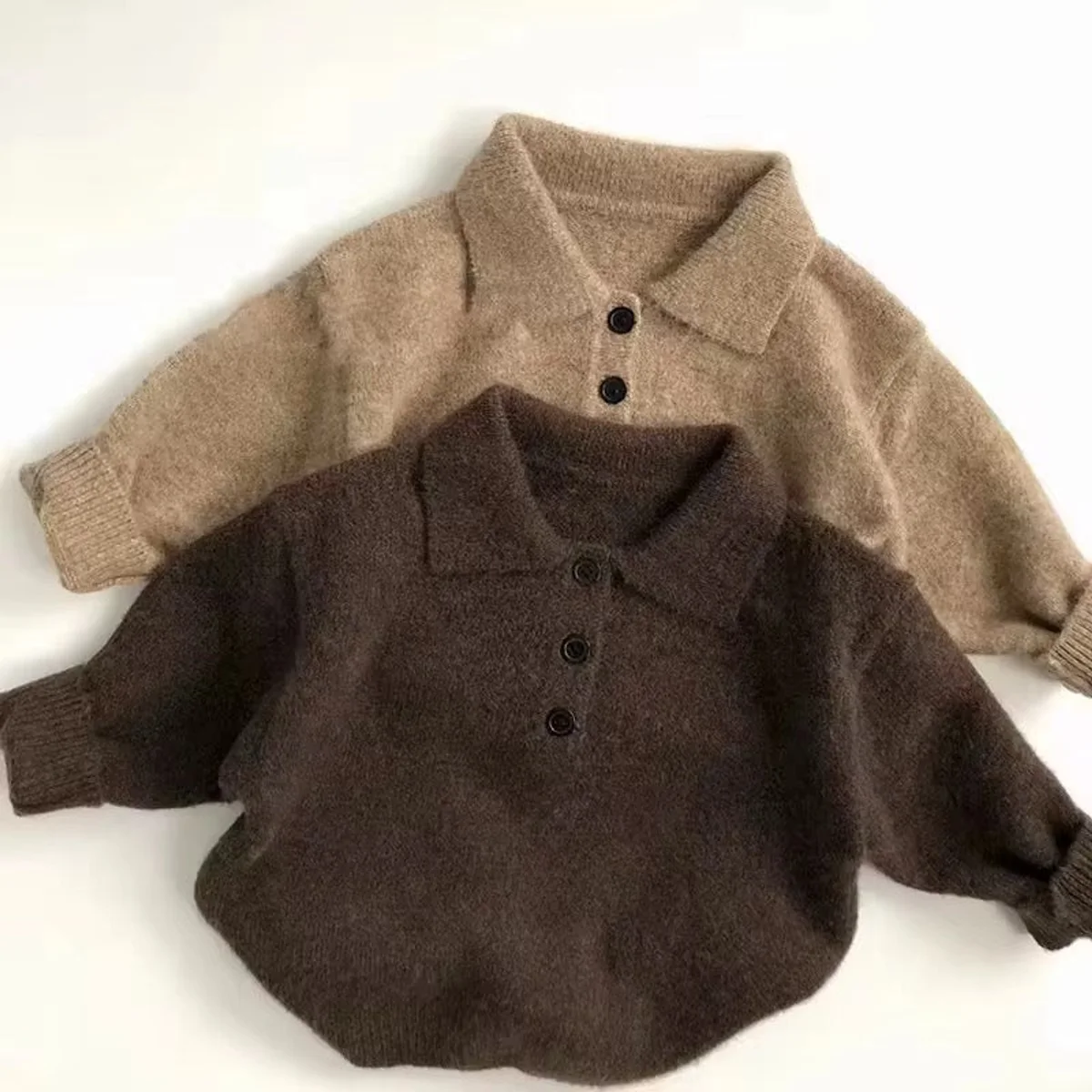 Toddlers
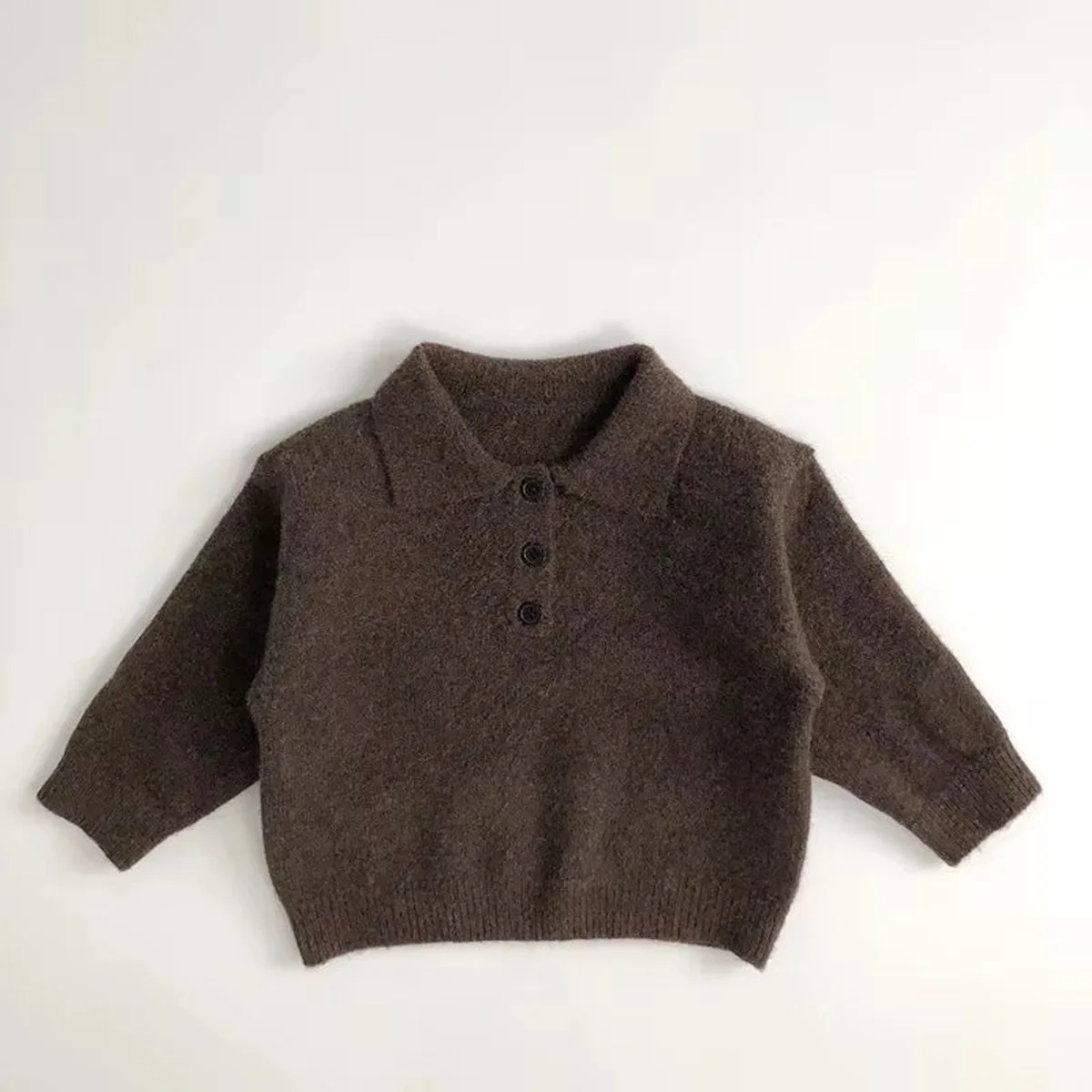
 Toddlers

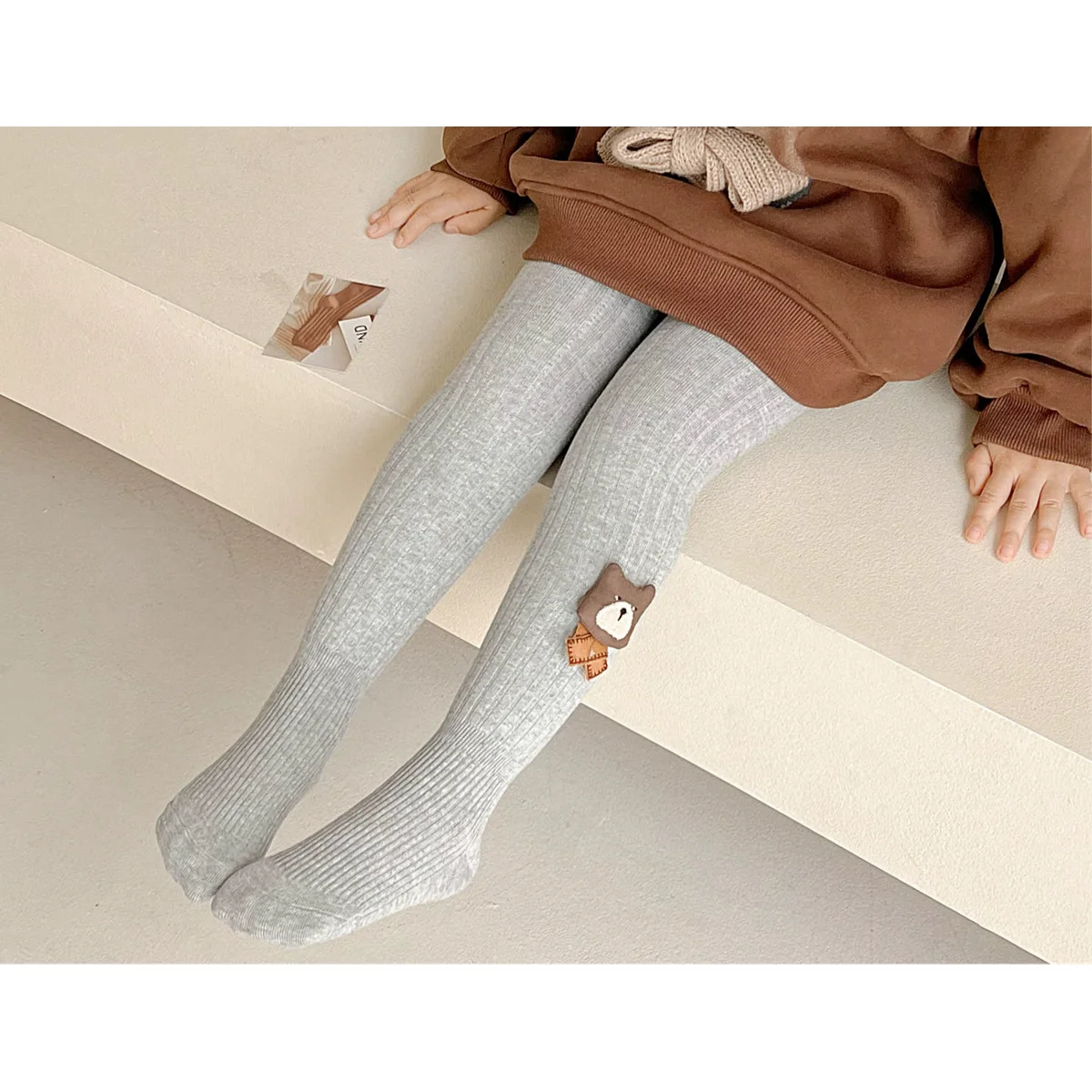 Toddlers
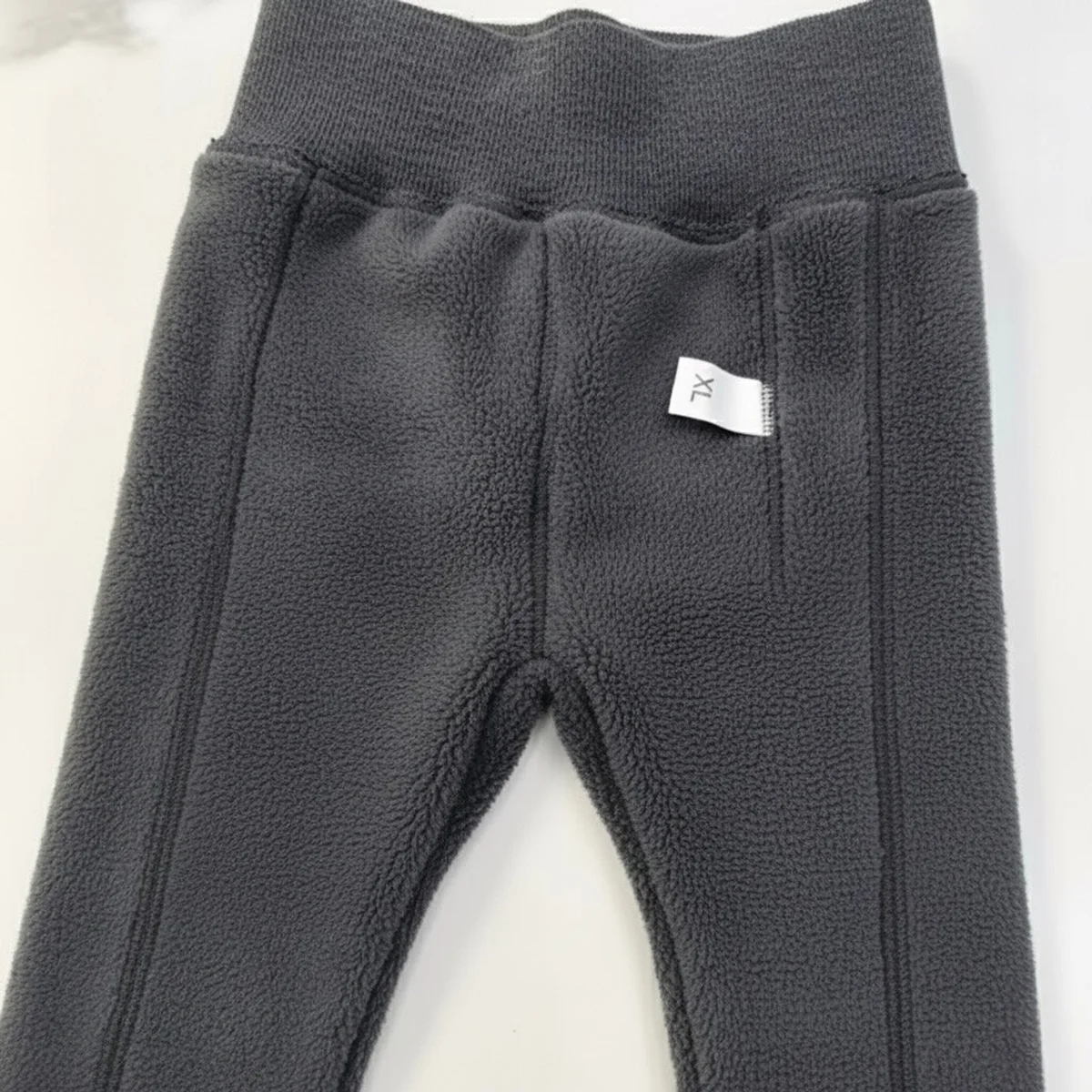
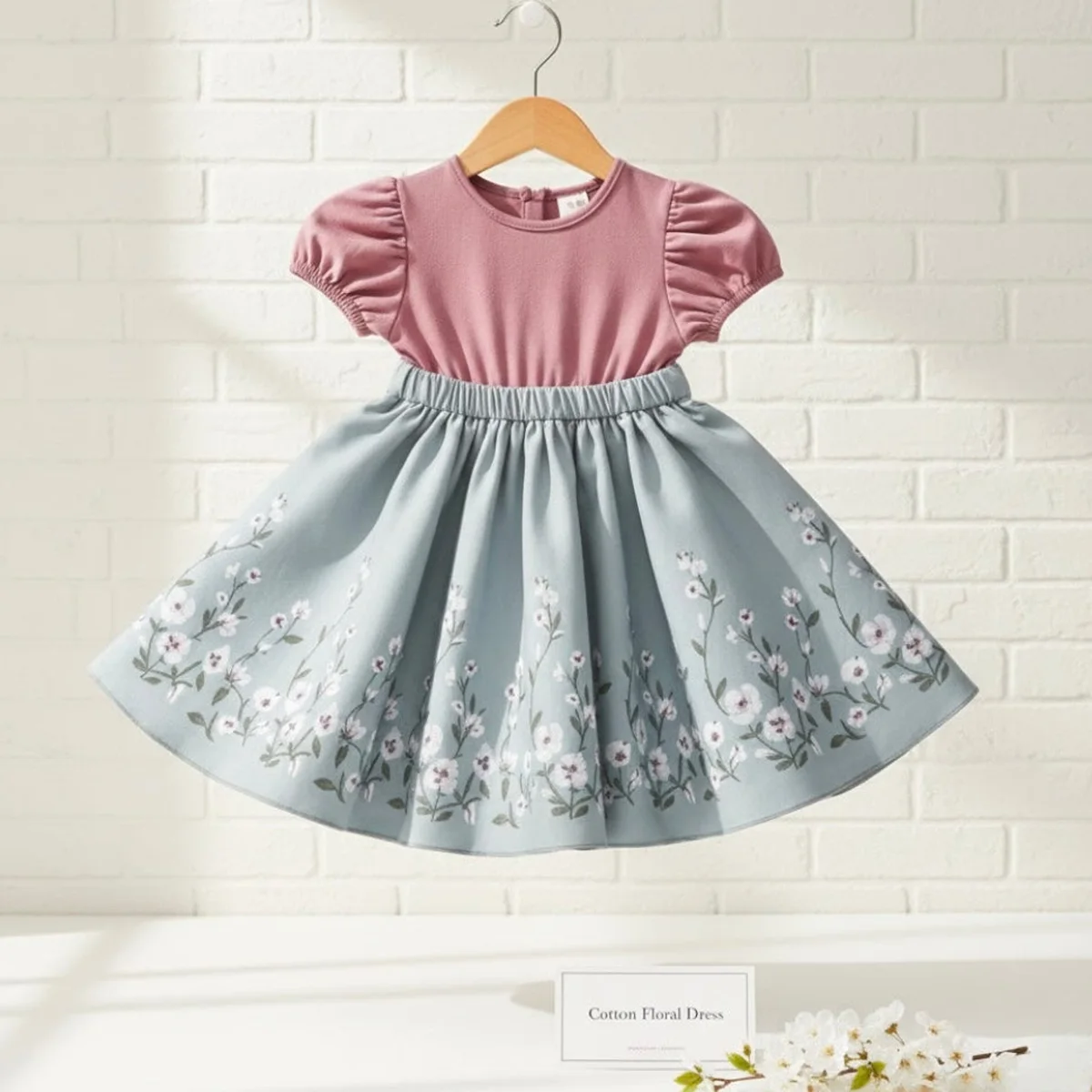 Toddlers
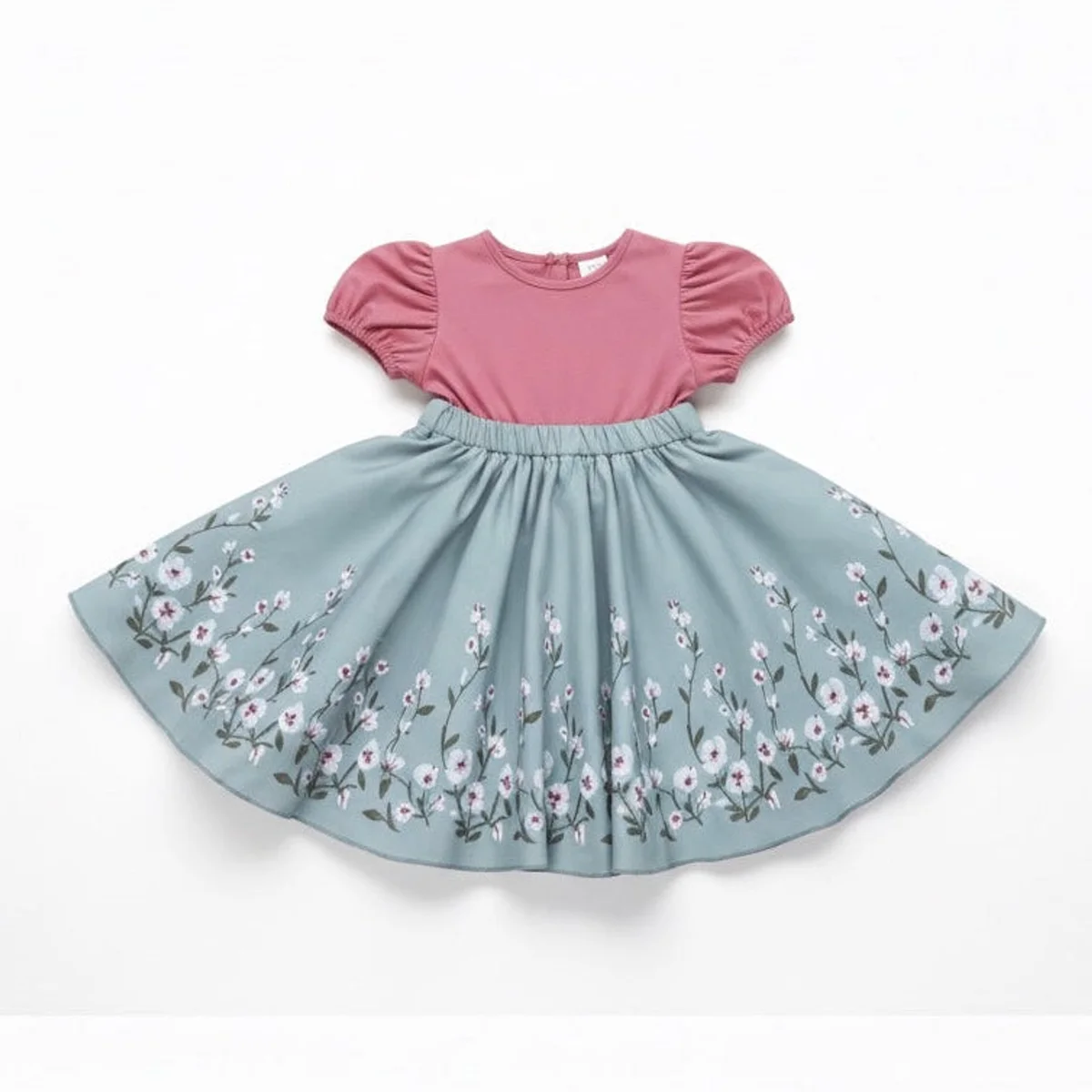
Written by Snugtot editors · updated Nov 13, 2026 · milestones after the CDC's "Learn the Signs. Act Early." program; sleep ranges from the AASM; feeding and vaccines from CDC and AAP guidance. General information, not medical advice; your pediatrician knows your child.