
Ages and stages / 3 years 11 months
Your 3-year-11-month-old
Nearly four, and most children this age are finding their footing. Many are chatty, funny, and eager to be helpful, and they can also be stubborn, dramatic, or suddenly shy in a new room. Imagination is blossoming: a cardboard box becomes a rocket, a stuffed animal needs a seat at dinner. The big change this month is often the move toward more reasoning and self-control, though it comes and goes, so a child may handle a hard moment well one day and fall apart the next. Parents usually notice first how full the sentences have become, how much a child understands about rules and fairness, and how strongly they want to do things on their own. Every child moves through this stage at a different pace, and that's normal.
Sleep
10–13 hours
in 24 hours, naps included; 1 nap, often dropped between 3 and 5.
Clothing size
3T
33–36 lb. Shoe size about 8–9.
Car seat
Rear-facing until the seat's limit, then forward-facing with a 5-point harness, in the back seat.
What most children do at 3 years 11 months
Most means about three in four, the CDC's framing. Many do these later and are fine; if several are missing, mention it at the next visit.
Moving
Most children this age can pedal a tricycle, climb stairs one foot per step, hop on one foot for a moment, and catch a large ball most of the time. Many can throw overhand with some aim and draw a circle or a simple person. Some are still refining hand control, and that's expected.
Talking and understanding
Most children speak in sentences of four or more words and are understood by strangers most of the time. Many tell short stories, use words like because and but, and ask a lot of questions. Some still swap sounds or drop endings, and that often improves with time.
Social and feelings
Many children this age play cooperatively with other kids, take turns with some help, and show affection to friends. Most can name a few emotions and can be comforted by a trusted adult. Some still find sharing hard and prefer playing near peers rather than with them.
Thinking and learning
Most children this age can name several colors, count to around ten, and understand the idea of same and different. Many follow two- or three-step directions and enjoy sorting and matching. Some are beginning to recognize letters or their own first name in print.
Sleep and feeding
Sleep at 3 years 11 months
10–13 hours in 24, 1 nap, often dropped between 3 and 5.
Most children this age sleep about 10 to 13 hours in 24, with a single afternoon nap that often disappears between ages three and five. Expect the occasional night wake-up, bad dreams, or a short-lived regression around big changes like a new sibling or a move. A calm, predictable bedtime routine, like a bath, two books, and lights off at the same time, helps a lot. If a nap is dropped, an earlier bedtime can help cover the gap.
Ranges from the American Academy of Sleep Medicine, endorsed by the AAP. Under one: on the back, alone, in a bare crib.
Feeding at 3 years 11 months
Family food, 3 meals and 1–2 snacks. Milk 16–20 oz a day (whole to 2, then whole or reduced-fat as your pediatrician advises), water for thirst, juice rarely and only 4 oz. Picky eating peaks at 2–4; a food takes ten or more tries. Whole nuts, popcorn and hard candy wait until about 4.
Most children this age eat family foods: three meals and one or two snacks, with milk around 16 to 20 ounces a day, water for thirst, and juice rarely, no more than 4 ounces. Picky eating often peaks between ages two and four, so offering a food ten or more times before giving up is a useful approach. Serve a small portion of one food you know they like alongside the new one, and let them serve themselves from shared dishes.
Loading the CDC data… Add your state to see your own.
Weight and length against the CDC charts for this age: check the percentile → A percentile is a position, not a grade; the curve over visits is what your pediatrician watches.
Vaccines at this age
Nothing new is scheduled this month; the next doses come at the well visits listed on the CDC schedule. A yearly flu shot from 6 months, every fall.
From the CDC child immunization schedule; your pediatrician's record is the one that counts. Full schedule →
Health at 3 years 11 months
Colds, coughs, and runny noses are common at this age, often several times a winter as children meet more kids in daycare or preschool. Some children still have a few teeth coming in, and growth spurts can cause sleepy or hungry stretches. Well-child visits are typically scheduled around this age, which is a good time to talk with your pediatrician about questions on growth, development, and vaccines.
Worth a call to the pediatrician- Your child loses skills they once had, such as talking, walking, or interest in play.
- Your child avoids eye contact most of the time, rarely responds to their name, or seems very distant from others.
- Your child has trouble with speech that is hard for family and familiar adults to understand, or stops using words they previously knew.
A fever of 100.4°F or more in a baby under 3 months is always a same-day call. Poison Control: 1-800-222-1222.
Play and safety
Things to do together
- Set up a pretend grocery store with empty boxes and cans, and take turns being the shopper and the cashier.
- Play a simple game of red light, green light in the yard, switching who is the leader.
- Make a collage together from magazine pictures or leaves, and talk about the colors and shapes you find.
- Read a favorite story, then act it out together and let your child decide what happens next.
Toys that fit this age
Dress-up and pretend play sets · Tricycle or balance bike with a helmet · Playdough and craft kits · First board games with no reading
Safety at exactly this age
- Child-size tools and climbing gear can now be reached and used, so keep an eye on the top of stairs, playground structures, and furniture they might climb.
- Balloons, small toy parts, and button batteries are still choking and swallowing risks, so keep them out of reach and check toys for loose pieces.
- Hot liquids, the stove, and cords on blinds or appliances matter more now that your child moves fast and can open doors and drawers.
Recent toy and children's product recalls
CHE-US Magnetic Robot Toys · U.S. CPSC · Nov 19
Fidlock Hermetic Dry Bags · Fidlock GmbH, of Hannover, Germany · Nov 19
Qpancy Children’s Pajama Sets · U.S. CPSC · Nov 19
Kakgold 4WD Stunt Vehicle Toys · U.S. CPSC · Nov 12
Questions parents ask at 3 years 11 months
Is it normal for my almost-four-year-old to have tantrums?
Yes, many children this age still have tantrums, especially when tired, hungry, or frustrated. They're usually a sign that big feelings are outpacing words. Staying calm, naming the feeling, and keeping routines steady tend to help. If tantrums are very frequent, long, or hard to manage, bring it up with your pediatrician.
How much screen time is reasonable at this age?
Major health groups suggest limiting screen time for children this age to about one hour a day of high-quality programs, watched together when possible. Keeping screens out of bedrooms and away from meals can help. Every family's approach can vary, so it's fine to adjust based on what works for yours.
When should I start potty training if I haven't yet?
Many children are ready between about two and three and a half, and some take longer. Signs of readiness include staying dry for longer stretches, showing interest, and telling you when they've gone. If you haven't started, there's no rush; many children at this age are close and benefit from a relaxed, positive approach.
My child's teeth still aren't fully in. Is that a problem?
Most children have all twenty primary teeth by about age three, though timing varies. Teeth can come in at different times, and some children are a bit later. Brushing twice a day with a small smear of fluoride toothpaste and regular dental visits are good habits. If you have concerns about tooth development, ask your dentist or pediatrician.
Is my child ready for school or preschool at this age?
Many children are ready for preschool at this age, and some start pre-kindergarten or kindergarten a year later. Readiness includes following simple directions, playing with other kids, managing basic self-care, and separating from you with some comfort. Every child is different, so consider your child's temperament and what your local programs offer.
Picks for a 3-year-11-month-old
The maker's own age label is shown on every product; we do not add our own.
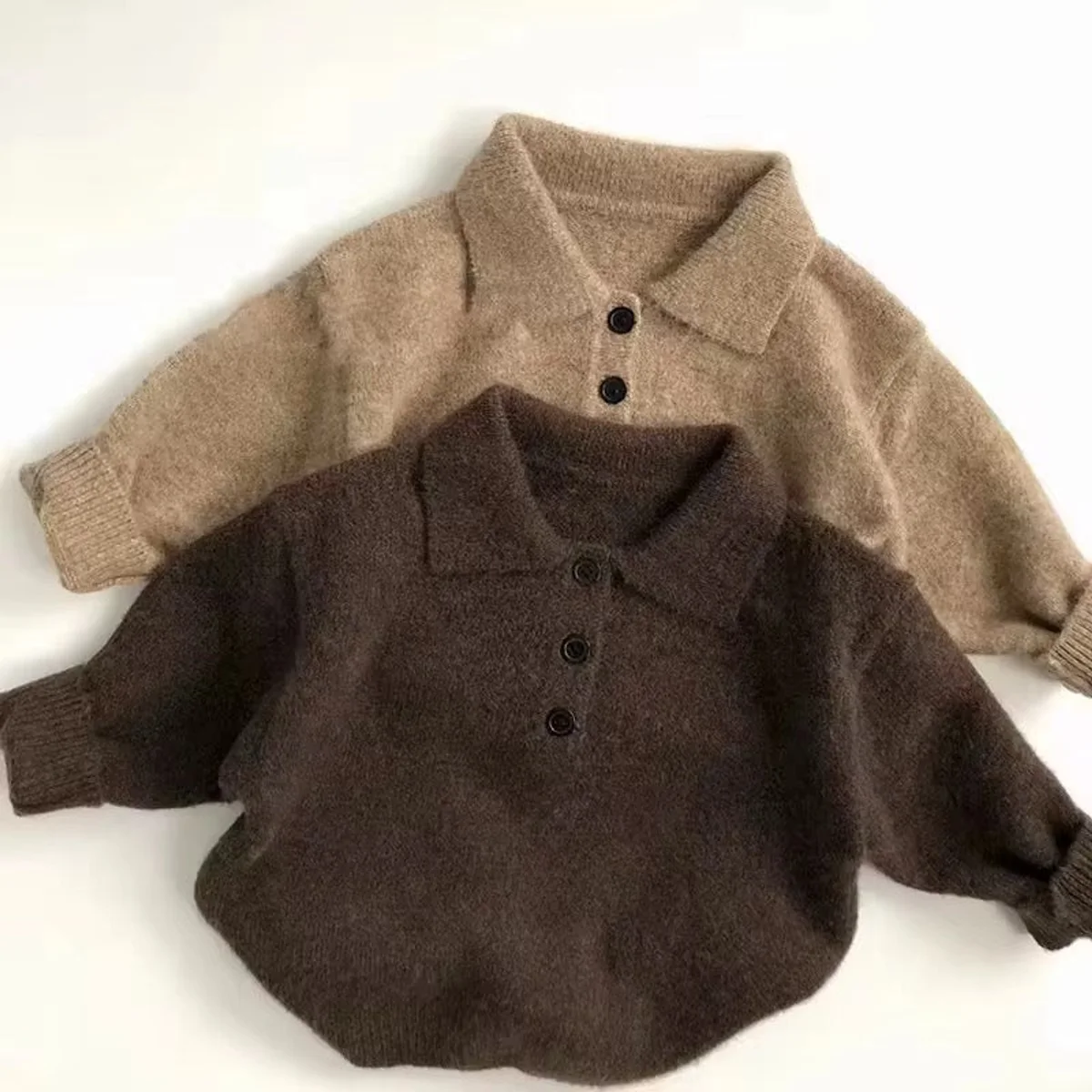 Toddlers
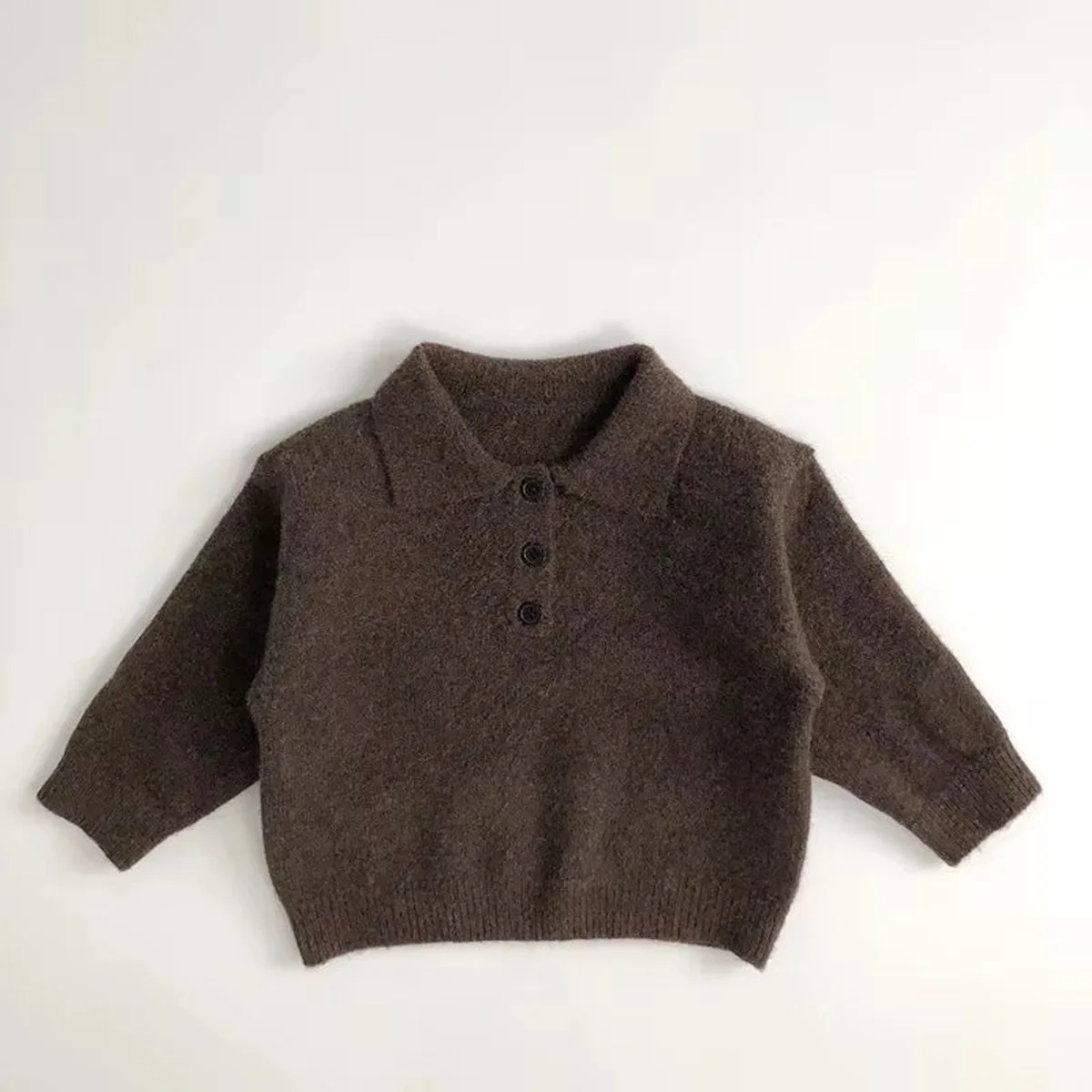
 Toddlers

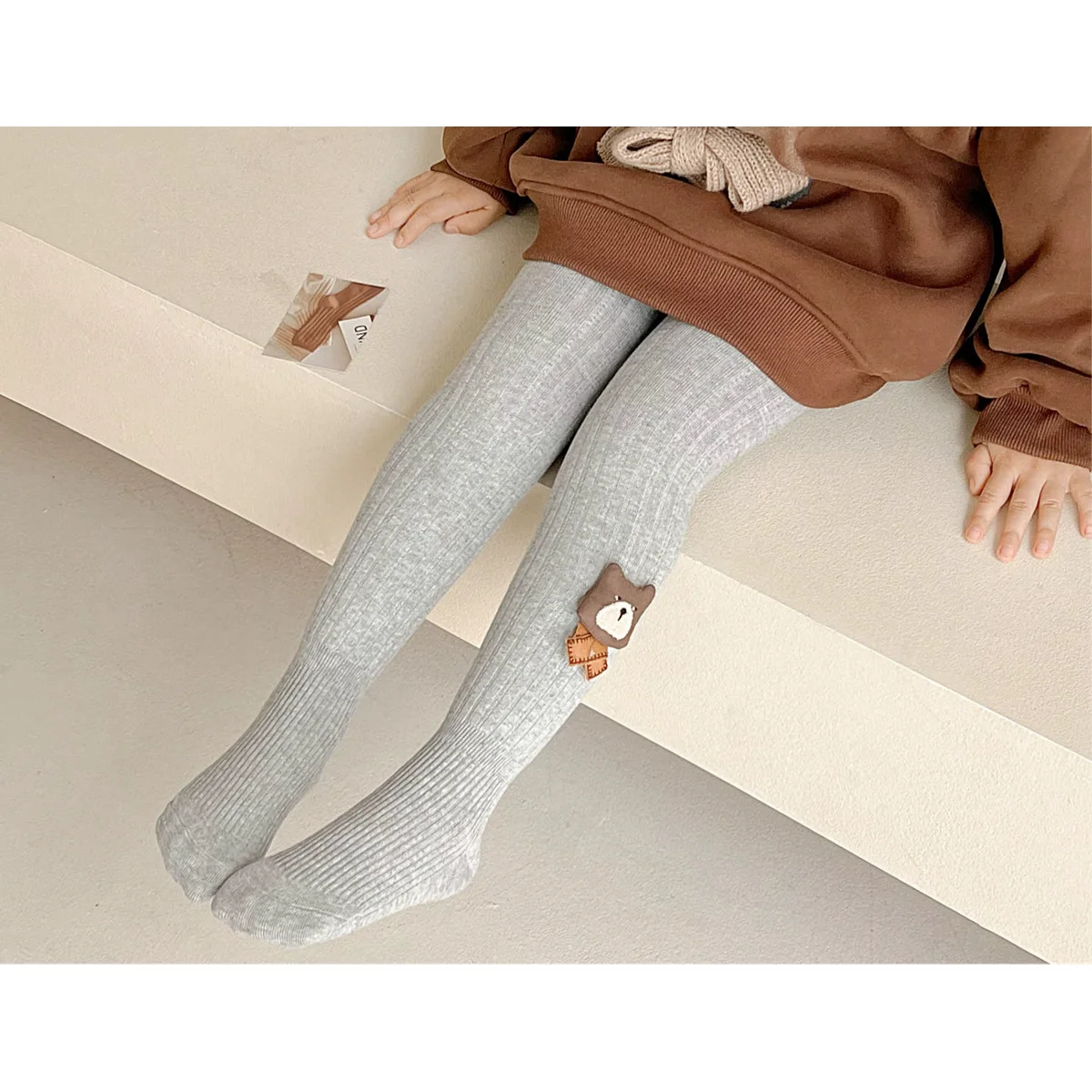 Toddlers

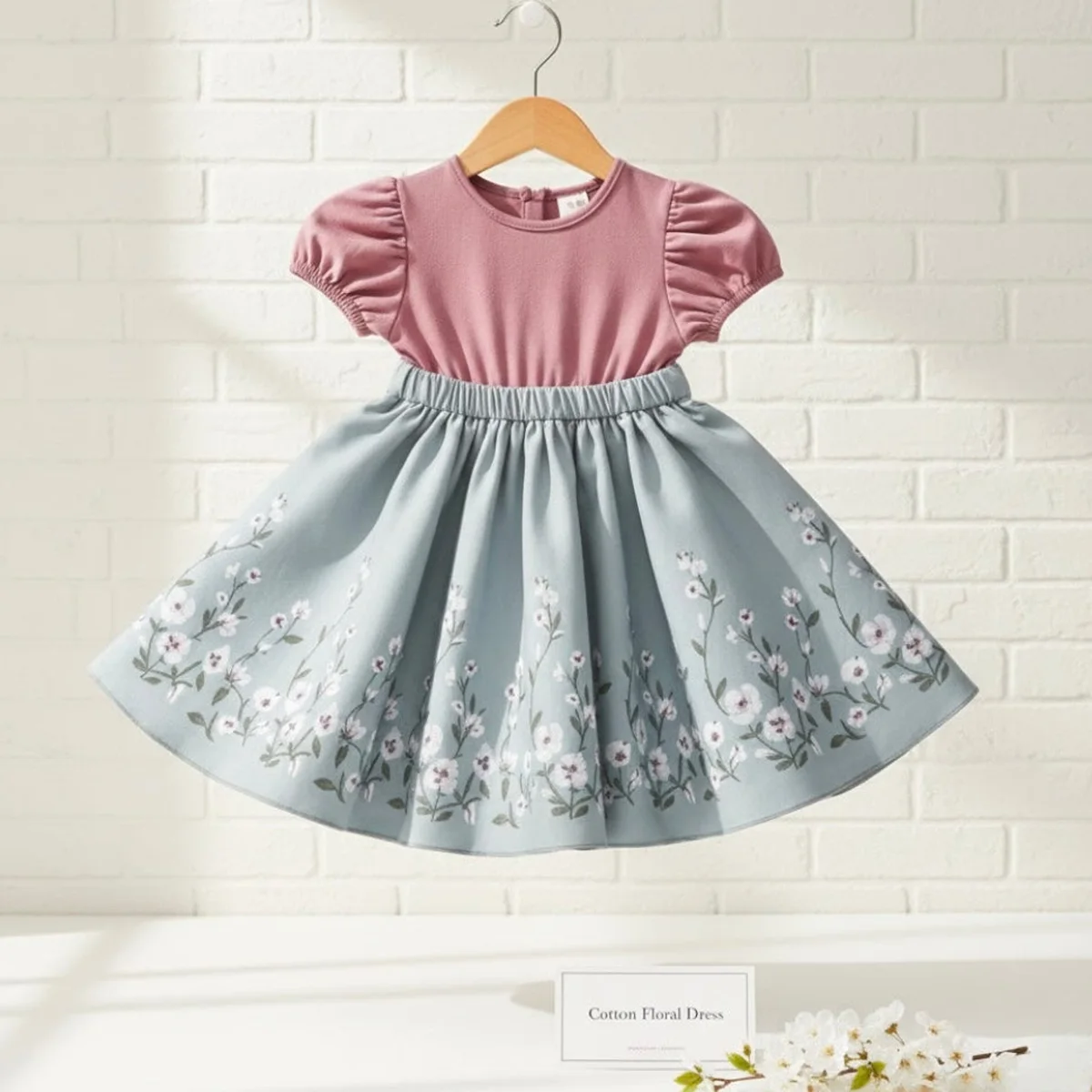 Toddlers
Written by Snugtot editors · updated Nov 13, 2026 · milestones after the CDC's "Learn the Signs. Act Early." program; sleep ranges from the AASM; feeding and vaccines from CDC and AAP guidance. General information, not medical advice; your pediatrician knows your child.