
Ages and stages / 3 years 4 months
Your 3-year-4-month-old
At three years and four months, many children are becoming more of themselves: funnier, bossier, more curious, and quicker to tell you what they think. Days often include a lot of questions, pretend play that gets very detailed, and strong opinions about clothes, food, and routines. Tantrums can still happen, often when a child feels rushed or wants to be in charge of something. Many parents first notice the vocabulary growing into full sentences and stories, and a child who can argue, bargain, and say sorry on their own terms. Naps may be shrinking or disappearing, which can make afternoons feel longer. Some children are very social and others prefer one close friend. Every child moves at their own pace, so use these notes as a general picture rather than a checklist.
Sleep
10–13 hours
in 24 hours, naps included; 1 nap, often dropped between 3 and 5.
Clothing size
3T
33–36 lb. Shoe size about 8–9.
Car seat
Rear-facing until the seat's limit, then forward-facing with a 5-point harness, in the back seat.
What most children do at 3 years 4 months
Most means about three in four, the CDC's framing. Many do these later and are fine; if several are missing, mention it at the next visit.
Moving
Most children this age run easily, climb stairs with alternating feet, pedal a tricycle, and jump in place. Many can throw a ball overhand and stand on one foot for a moment. Some are beginning to hop and balance on a low beam. Ranges are wide, and steady progress matters more than any single skill.
Talking and understanding
Most children speak in sentences of four or more words and are understood by strangers most of the time. Many ask lots of why and what questions and tell short stories about their day. Some use past tense and plurals with growing accuracy. Some children speak more slowly or have a few sounds still developing, and that varies widely.
Social and feelings
Most children enjoy playing with other children, often in parallel or in simple turn-taking games. Many show empathy, like comforting a crying friend, and can name some feelings. Some children take turns with help and are starting to share, while others still find sharing hard. Pretend play with friends is common now.
Thinking and learning
Most children sort objects by color or shape, name several colors, and understand simple counting up to about three or more. Many follow two- or three-step directions and enjoy simple puzzles and drawing circles and faces. Some begin to recognize their own name or a few letters. Interest in how things work is growing fast.
Sleep and feeding
Sleep at 3 years 4 months
10–13 hours in 24, 1 nap, often dropped between 3 and 5.
Most children this age sleep about 10 to 13 hours in a 24-hour period, usually with one afternoon nap that may be dropped somewhere between three and five. Night wakings, bad dreams, and fears of the dark can show up and fade. A short regression around a big change, like a new bed or a new sibling, is common. A calm, predictable bedtime routine of about 20 minutes helps most children settle.
Ranges from the American Academy of Sleep Medicine, endorsed by the AAP. Under one: on the back, alone, in a bare crib.
Feeding at 3 years 4 months
Family food, 3 meals and 1–2 snacks. Milk 16–20 oz a day (whole to 2, then whole or reduced-fat as your pediatrician advises), water for thirst, juice rarely and only 4 oz. Picky eating peaks at 2–4; a food takes ten or more tries. Whole nuts, popcorn and hard candy wait until about 4.
Most children now eat family foods with three meals and one or two snacks, and milk usually comes to about 16 to 20 ounces a day. Picky eating often peaks between two and four, so food refusal is common and usually temporary. Offer a food in small amounts alongside familiar foods, and expect it may take ten or more tries before it is accepted. Keep juice rare, and offer water for thirst.
Loading the CDC data… Add your state to see your own.
Weight and length against the CDC charts for this age: check the percentile → A percentile is a position, not a grade; the curve over visits is what your pediatrician watches.
Vaccines at this age
Nothing new is scheduled this month; the next doses come at the well visits listed on the CDC schedule. A yearly flu shot from 6 months, every fall.
From the CDC child immunization schedule; your pediatrician's record is the one that counts. Full schedule →
Health at 3 years 4 months
Common at this age are colds that can last a week or two, with runny noses and coughs that often come back several times over the winter. Some children have growth spurts, and their appetite may go up and down. Dental care matters now, so brush twice a day with a small smear of fluoride toothpaste and help your child brush. Routine well visits continue each year, when your pediatrician checks growth, hearing, vision, and development.
Worth a call to the pediatrician- Your child seems to have lost skills they once had, such as talking, walking, or interest in play.
- Your child has trouble with balance, weakness, or a very unusual loss of energy that does not improve.
- Your child's speech is hard for family and familiar adults to understand most of the time, or they rarely use two- or three-word phrases.
A fever of 100.4°F or more in a baby under 3 months is always a same-day call. Poison Control: 1-800-222-1222.
Play and safety
Things to do together
- Build a cardboard box fort together and take turns deciding what the family is pretending to be.
- Set up a simple obstacle course with pillows and tape lines on the floor, and let your child call out the next move.
- Sit down with a stack of picture books and ask what might happen next, then talk about the answer.
- Make a sensory bin from dry rice or oats with scoops and small cups, and count how many scoops fill each cup.
Toys that fit this age
Dress-up and pretend play sets · Tricycle or balance bike with a helmet · Playdough and craft kits · First board games with no reading
Safety at exactly this age
- Now that your child can climb and reach higher shelves, anchor heavy furniture and TVs to the wall so they cannot tip if your child pulls or climbs on them.
- Children this age can open doors and drawers, so keep medicines, cleaning products, and button batteries stored up high and out of sight, ideally in locked cabinets.
- Watch for choking hazards: whole nuts, popcorn, hard candy, and round foods like grapes cut lengthwise should wait until closer to age four, when your child can chew well.
Recent toy and children's product recalls
CHE-US Magnetic Robot Toys · U.S. CPSC · Nov 19
Fidlock Hermetic Dry Bags · Fidlock GmbH, of Hannover, Germany · Nov 19
Qpancy Children’s Pajama Sets · U.S. CPSC · Nov 19
Kakgold 4WD Stunt Vehicle Toys · U.S. CPSC · Nov 12
Questions parents ask at 3 years 4 months
Is my 3-year-old still napping?
Many children this age still take one afternoon nap, but it is common for it to shrink or stop somewhere between three and five. If your child fights the nap but still seems rested, a quiet rest time with books may be enough. Overnight sleep usually stays around 10 to 13 hours in total.
Why is my child suddenly so picky about food?
Picky eating often peaks between two and four and is a normal stage for many children. It helps to keep serving family foods without pressure and to expect that a new food may take ten or more tries before it is accepted. Eating together and modeling different foods can help over time.
How much screen time is reasonable at this age?
Major pediatric guidance generally suggests limiting screens to one hour a day of high-quality programming for children this age, and watching together when possible. Screen-free time for meals, play, and bedtime routines supports sleep and language. Each family can set limits that fit their routine.
Is it normal to have tantrums at three?
Yes, tantrums are common at this age, since children have big feelings and limited words to express them. Staying calm, naming the feeling, and keeping routines predictable can help many children recover faster. Frequent or very intense tantrums are worth discussing with your pediatrician.
When should I start potty training or school prep?
Many children show readiness signs around this age, like staying dry for longer stretches or telling you when they need to go, but timing varies widely. Preschool readiness often looks like following simple directions, playing with other children, and separating from a caregiver with some help. Talk with your pediatrician if you have questions about your child's progress.
Picks for a 3-year-4-month-old
The maker's own age label is shown on every product; we do not add our own.
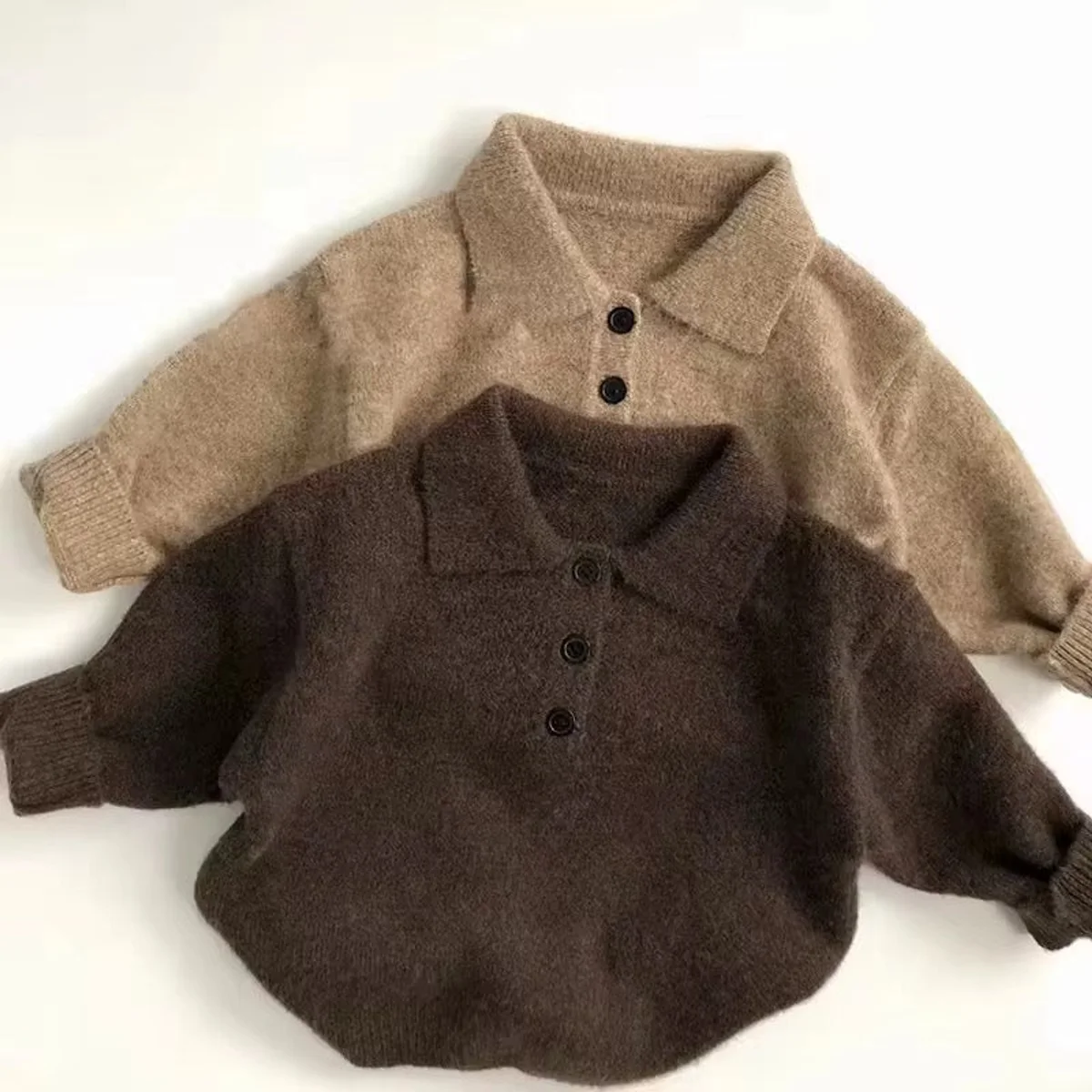 Toddlers
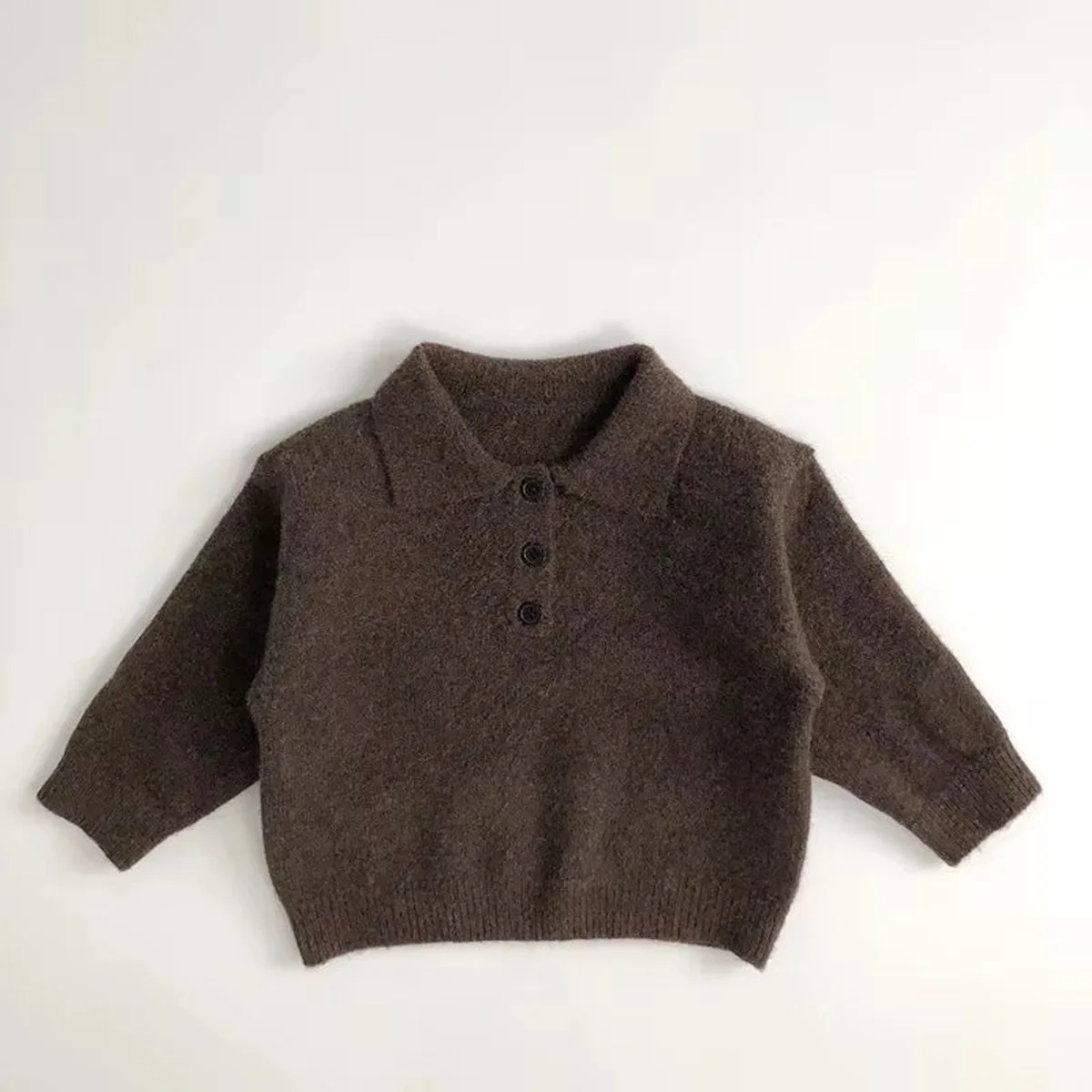
 Toddlers

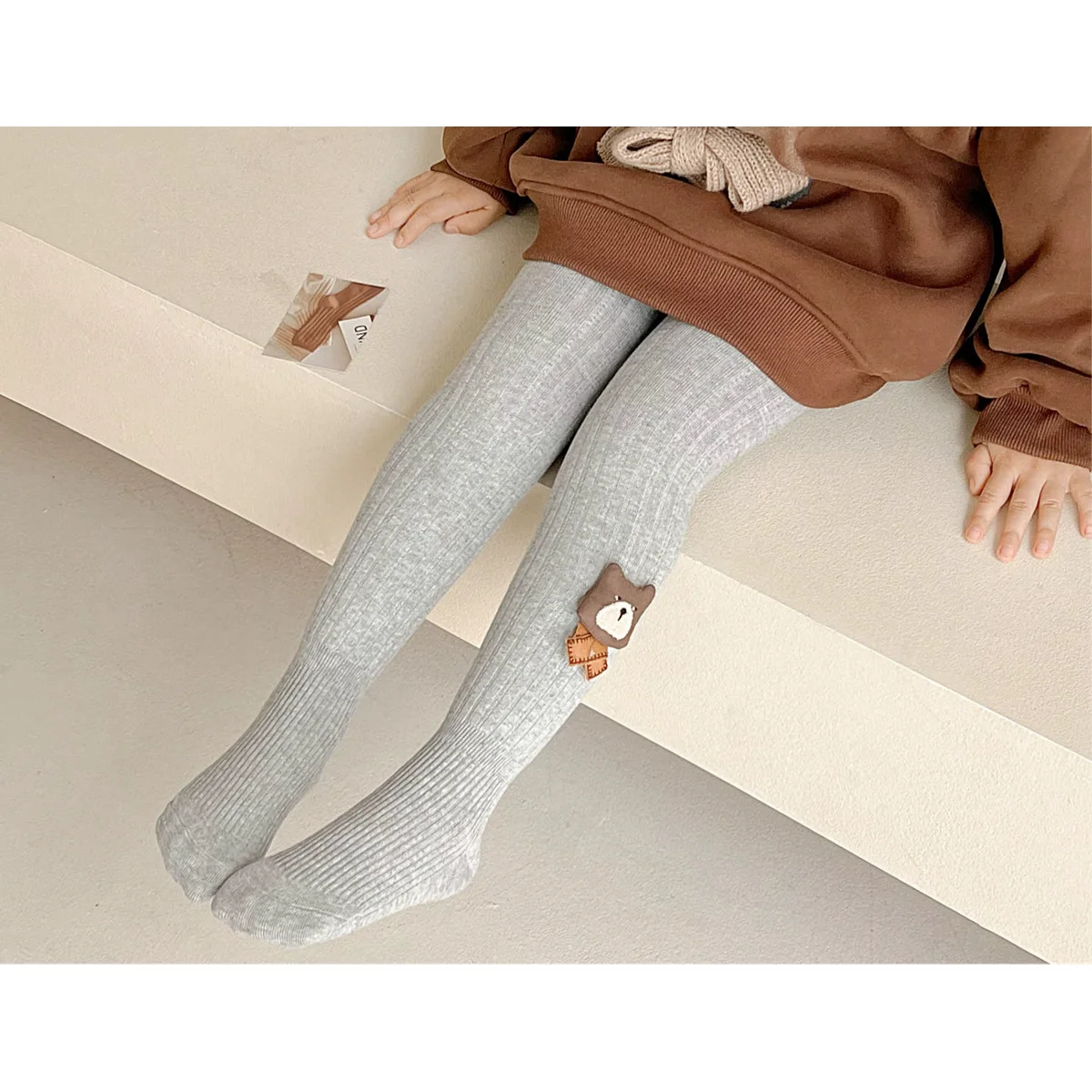 Toddlers

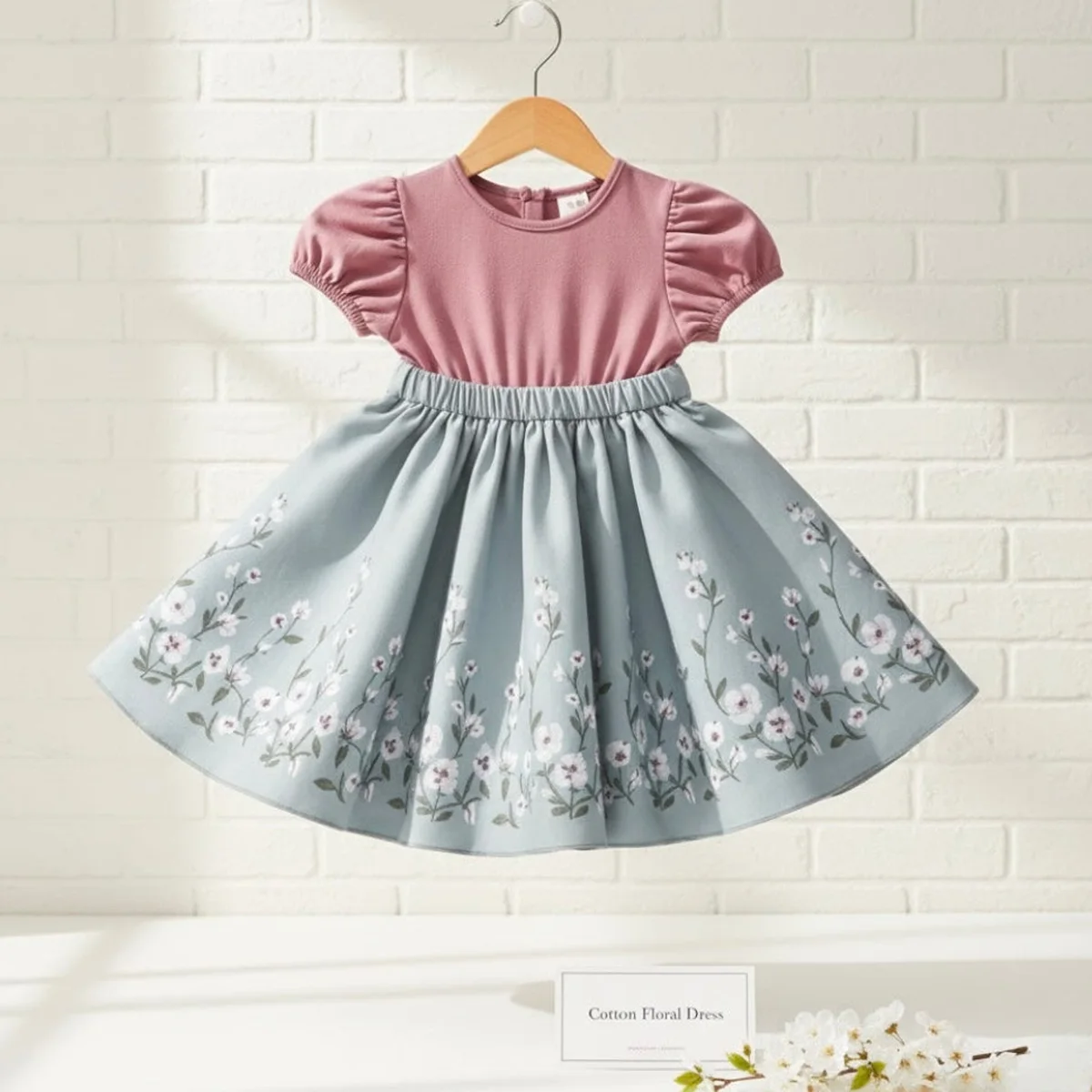 Toddlers
Written by Snugtot editors · updated Nov 13, 2026 · milestones after the CDC's "Learn the Signs. Act Early." program; sleep ranges from the AASM; feeding and vaccines from CDC and AAP guidance. General information, not medical advice; your pediatrician knows your child.