
Ages and stages / 4 years 9 months
Your 4-year-9-month-old
At four and a half to five, many children are funny, talkative, and fiercely independent. They like to be the helper, they want to decide things, and they can be bossy one minute and tender the next. Big feelings are still common, but many children now can name them and sometimes calm down with a little help. The biggest change this month is often the leap in imagination: pretend play becomes elaborate, with made-up rules, characters, and stories that run for days. Parents tend to notice first how much their child talks, how many questions there are, and how they want to take on real jobs like carrying groceries or setting the table. Preschool is often a place where friendships begin to matter more, and children start to notice differences between people and to care about fairness. Every child's timing differs, and what follows describes what most children do, not a checklist to pass.
Sleep
10–13 hours
in 24 hours, naps included; most have dropped the nap; quiet time instead.
Clothing size
4T / 4
36–40 lb. Shoe size about 10–11.
Car seat
Forward-facing with a harness until the seat's limit (often 40–65 lb), then a belt-positioning booster; always the back seat.
What most children do at 4 years 9 months
Most means about three in four, the CDC's framing. Many do these later and are fine; if several are missing, mention it at the next visit.
Moving
Most children this age run easily, hop on one foot, and climb well. Many can catch a large ball, pedal a tricycle, and walk up and down stairs one step at a time. Some are learning to skip, and many enjoy balancing on a low beam or curb. Drawing and cutting with safety scissors are developing, and many can copy a simple shape.
Talking and understanding
Most children speak in full sentences of four to six words or more and tell short stories about their day. Many can follow a three-part instruction, like put your shoes on, grab your jacket, and meet me at the door. Some use the past tense consistently and ask lots of why and how questions. Speech should be mostly understandable to people outside the family.
Social and feelings
Most children enjoy playing with other children and can take turns in simple games, though sharing can still be hard. Many show empathy, comforting a friend who is sad, and they often want to please adults. Some prefer to play with one special friend, and pretend play with rules is common. Separating from parents for a school day is often easier now.
Thinking and learning
Most children this age can sort objects by color or shape and count to ten or beyond. Many understand simple time words like today, tomorrow, and after lunch. Some recognize a few letters, write their first name, and can tell what comes next in a familiar routine. Attention for an activity they like often lasts 10 to 15 minutes or longer.
Sleep and feeding
Sleep at 4 years 9 months
10–13 hours in 24, most have dropped the nap; quiet time instead.
Most children this age need about 10 to 13 hours of sleep in 24, and many have given up the daytime nap. Quiet time in the afternoon, with books or puzzles in their room, can take its place and help everyone recharge. Bedtime fights, nightmares, and early waking are common now, and a short stretch of trouble often passes on its own. A predictable bedtime routine of bath, two books, and a goodnight ritual helps most children settle.
Ranges from the American Academy of Sleep Medicine, endorsed by the AAP. Under one: on the back, alone, in a bare crib.
Feeding at 4 years 9 months
Family food, 3 meals and 1–2 snacks. Milk 16–20 oz a day (whole to 2, then whole or reduced-fat as your pediatrician advises), water for thirst, juice rarely and only 4 oz. Picky eating peaks at 2–4; a food takes ten or more tries. Whole nuts, popcorn and hard candy wait until about 4.
Most children this age eat family food: three meals and one or two snacks, with milk around 16 to 20 ounces a day, water for thirst, and juice rarely, with no more than 4 ounces. Picky eating often peaks between ages 2 and 4, and it is normal for a child to refuse a new food many times. Offer a food again and again without pressure, since it can take ten or more tries before a child accepts it. Whole nuts, popcorn, and hard candy are generally held off until around age 4.
Loading the CDC data… Add your state to see your own.
Weight and length against the CDC charts for this age: check the percentile → A percentile is a position, not a grade; the curve over visits is what your pediatrician watches.
Vaccines at this age
Nothing new is scheduled this month; the next doses come at the well visits listed on the CDC schedule. A yearly flu shot from 6 months, every fall.
From the CDC child immunization schedule; your pediatrician's record is the one that counts. Full schedule →
Health at 4 years 9 months
Colds, sore throats, and ear infections are common at this age, since children are around other kids in preschool and childcare. Growth is steady, with the first permanent teeth beginning to come in around age 6 and baby teeth still falling out around this time. Well visits with the pediatrician are usually scheduled once a year at this age, when height, weight, vision, hearing, and development are checked. Regular brushing with a parent helping, and a dentist visit every six months, support healthy teeth.
Worth a call to the pediatrician- Your child seems unable to speak in sentences or is very hard to understand by most people outside the family.
- Your child shows little interest in other children, avoids eye contact often, or seems unusually withdrawn most days.
- Your child loses skills they once had, such as talking, toileting, or playing with others, at any age.
A fever of 100.4°F or more in a baby under 3 months is always a same-day call. Poison Control: 1-800-222-1222.
Play and safety
Things to do together
- Set up a pretend store with price tags, play money, and a cash register, then take turns being shopper and cashier.
- Play a simple board game together and practice taking turns, winning gracefully, and losing without a fuss.
- Go on a color or letter scavenger walk outside, asking your child to find and name things they spot.
- Build a fort with blankets and pillows, then let your child invent the story and the rules for who lives inside.
Toys that fit this age
Building sets with smaller pieces · Beginner board and card games · Art supplies: scissors, glue, watercolors · Outdoor: scooter, kite, jump rope
Safety at exactly this age
- Window cords, blind cords, and furniture that can be pulled or climbed are now within reach and can cause serious injury.
- Medicines, cleaning products, and button batteries should be locked away, since children this age are curious and can climb to reach cabinets and counters.
- Bike and scooter riding now brings real traffic risk, so a helmet and practicing stopping and looking before crossing matter every time.
Recent toy and children's product recalls
CHE-US Magnetic Robot Toys · U.S. CPSC · Nov 19
Fidlock Hermetic Dry Bags · Fidlock GmbH, of Hannover, Germany · Nov 19
Qpancy Children’s Pajama Sets · U.S. CPSC · Nov 19
Kakgold 4WD Stunt Vehicle Toys · U.S. CPSC · Nov 12
Questions parents ask at 4 years 9 months
How much sleep does a 4-year-old need?
Most children this age need about 10 to 13 hours of sleep in 24 hours, and most have stopped napping. A quiet rest time in the afternoon can still help. Consistent bedtimes and a calm wind-down routine make sleep easier for most children.
Is my 4-year-old too picky to eat?
Picky eating is very common between ages 2 and 4 and often continues for a while. Serving a small portion of new foods alongside familiar ones, without pressure, helps. It can take ten or more tries before a child accepts a new food, so keep offering it calmly.
How much screen time is okay for a preschooler?
Pediatric guidance suggests limiting screens to about one hour a day of high-quality programs for children this age, watched with a parent when possible. Keeping screens out of bedrooms and away from meals supports sleep and conversation. Every family can find a balance that fits their routine.
Why are the tantrums getting bigger at this age?
Big feelings are still common at this age because children are learning to manage emotions and want more control. Staying calm, naming the feeling, and offering simple choices often helps. Tantrums that gradually become less frequent over time are typical.
Should my 4-year-old be starting to read or go to school?
Many children this age are in preschool or pre-kindergarten, where they build early reading skills through play, rhyme, and letter games. Some begin to recognize letters and write their names, while others take longer. Reading together every day is one of the most helpful things a parent can do.
Picks for a 4-year-9-month-old
The maker's own age label is shown on every product; we do not add our own.
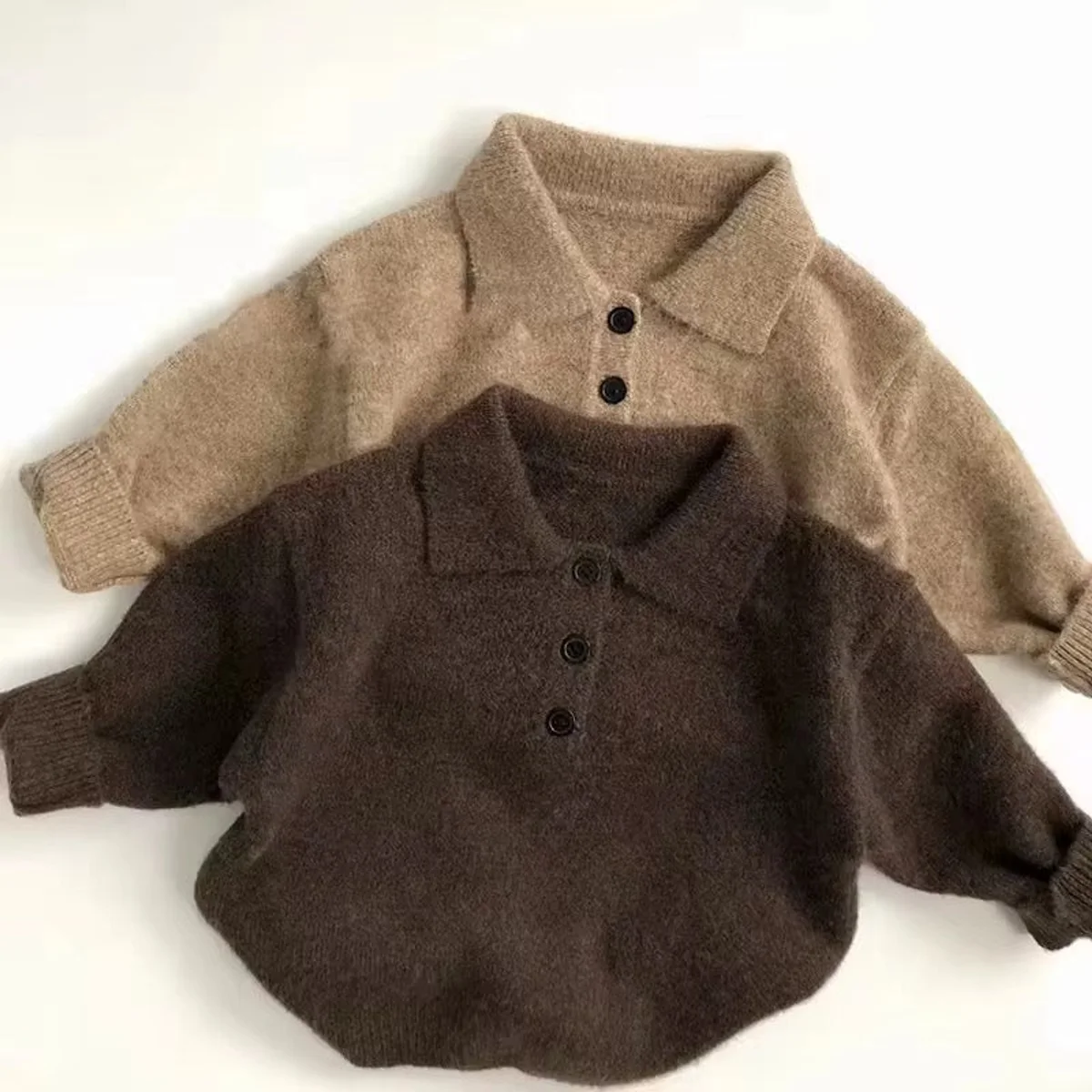 Toddlers
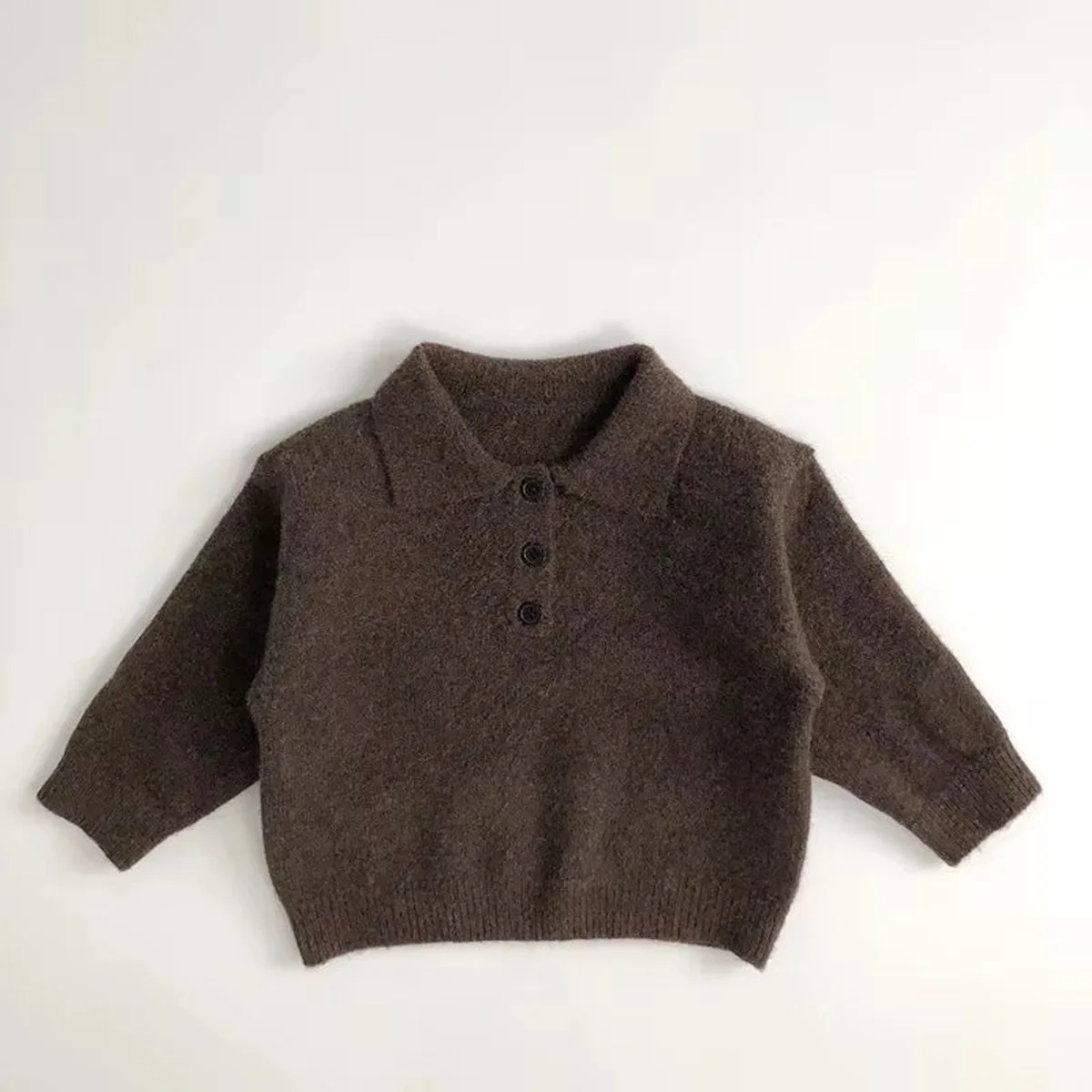
 Toddlers

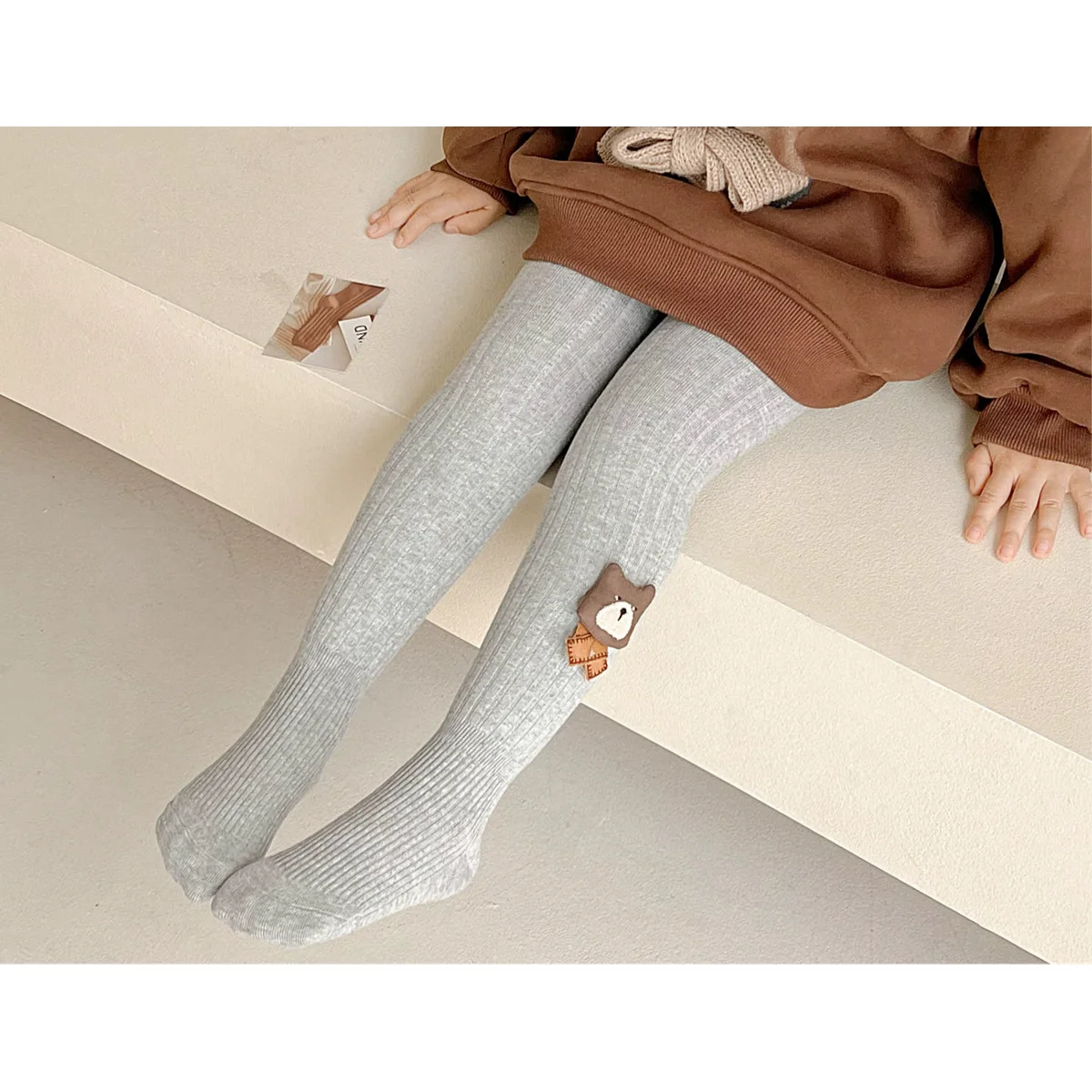 Toddlers

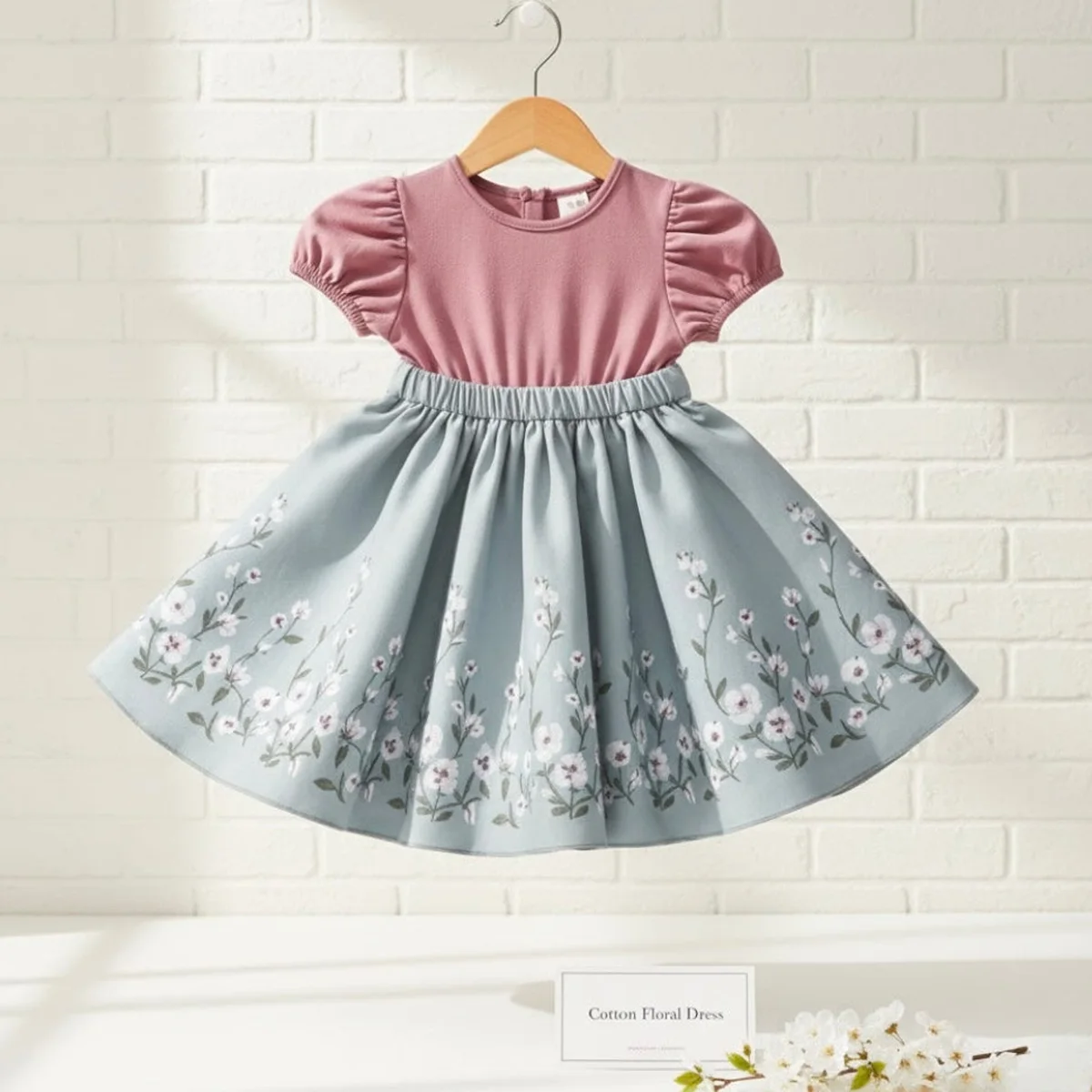 Toddlers
Written by Snugtot editors · updated Nov 13, 2026 · milestones after the CDC's "Learn the Signs. Act Early." program; sleep ranges from the AASM; feeding and vaccines from CDC and AAP guidance. General information, not medical advice; your pediatrician knows your child.