
Ages and stages / Newborn
Your newborn
The first weeks are a steady rhythm of feeding, sleeping, and being held, with very little that looks like a plan yet. Newborns sleep in short stretches around the clock and wake hungry, often every two to four hours. Most are alert for brief windows, look at faces, and settle best when they are close to a parent. Crying is their main way of communicating, and it often peaks in the early evening. Parents usually notice first how little their baby can do on purpose and how much everything is about closeness, feeding, and recovery. Days can blur together, and that is typical. Most babies begin to show small patterns by about six to eight weeks, so for now the goal is simply to keep them fed, warm, and held.
Sleep
14–17 hours
in 24 hours, naps included; sleeps in stretches of 2–4 hours around the clock; no schedule yet.
Clothing size
Newborn (NB)
5–8 lb. Many babies skip NB; buy little of it.
Car seat
Rear-facing (infant or convertible seat) as long as the seat's rear-facing height and weight limits allow, usually well past age 2; rear-facing is the safest position at this age.
What most babies do at Newborn
Most means about three in four, the CDC's framing. Many do these later and are fine; if several are missing, mention it at the next visit.
Moving
Most newborns move in jerky, reflexive ways and turn their heads from side to side when lying on their stomachs. Many can briefly lift the head a little during tummy time. Their arms and legs stay bent and curled much of the time, and their grip is strong when something touches the palm.
Talking and understanding
Most newborns cry to signal hunger, discomfort, or needing comfort, and different cries are common. Many quiet when they hear a familiar voice and turn toward sounds. Some make small coos or grunts, though real babbling usually comes later.
Social and feelings
Most newborns gaze at faces, especially at a distance of about eight to twelve inches, and many calm when held or spoken to. Some begin to briefly lock eyes with a parent during feeding. Smiles at this age are usually reflexive rather than social.
Thinking and learning
Most newborns focus on high-contrast shapes and faces and follow moving objects for short distances. Many startle at loud noises and learn quickly to recognize a feeding routine. Memory and understanding are developing fast, though it is not yet visible.
Sleep and feeding
Sleep at Newborn
14–17 hours in 24, sleeps in stretches of 2–4 hours around the clock; no schedule yet.
Expect 14 to 17 hours of sleep in 24, usually in stretches of two to four hours around the clock, with no real day and night pattern yet. Many newborns are awake and fussy in the late evening, sometimes called the witching hour, and some have brief periods of fussing after feeds. Sleep patterns shift quickly over the first months, with a common change near four months. Practical tip: keep nighttime feeds quiet and dim so your baby learns that night is for sleep, not play.
Ranges from the American Academy of Sleep Medicine, endorsed by the AAP. Under one: on the back, alone, in a bare crib.
Feeding at Newborn
Breast milk or infant formula only. On demand, about 8–12 feeds in 24 hours; a newborn stomach is tiny and refills fast. No water, no juice, no cereal in the bottle.
Breast milk or infant formula is all a newborn needs, offered on demand at about eight to twelve feeds in 24 hours. Newborn stomachs are tiny and refill quickly, so frequent feeding is normal. Watch for hunger cues like rooting, lip smacking, and hands to the mouth, and respond before crying starts. Practical tip: if you are formula feeding, follow the preparation directions on the label exactly, and talk with your pediatrician about how much to offer.
Loading the CDC data… Add your state to see your own.
Weight and length against the CDC charts for this age: check the percentile → A percentile is a position, not a grade; the curve over visits is what your pediatrician watches.
Vaccines due around now
- Hepatitis B (first dose, at birth)
- RSV antibody (nirsevimab) in or entering RSV season if mother was not vaccinated in pregnancy
From the CDC child immunization schedule; your pediatrician's record is the one that counts. Full schedule →
Health at Newborn
Newborns commonly have frequent diaper changes, spit-up, and skin peeling in the first weeks, and their color can change during sleep. Jaundice, a yellowish tint to the skin, is common and usually mild, and your pediatrician will check it. Newborns also have a first well visit within days of coming home and then regular checkups over the coming weeks and months. Most babies get a few small colds in the first year, and those visits help track growth and feeding.
Worth a call to the pediatrician- Call your pediatrician right away if your newborn has a fever of 100.4 F or higher, or looks unusually ill or unresponsive.
- Contact your pediatrician promptly if your baby is feeding poorly, has very few wet diapers, or is vomiting repeatedly.
- Call if the skin or whites of the eyes look more yellow, or if your baby seems unusually sleepy and hard to wake for feeds.
A fever of 100.4°F or more in a baby under 3 months is always a same-day call. Poison Control: 1-800-222-1222.
Play and safety
Things to do together
- Hold your baby skin to skin for a few minutes, then talk or hum softly while you make eye contact.
- Place your baby on their tummy on a firm surface for a few short minutes while you stay close and talk.
- Gently move a bright, high-contrast card slowly across your baby's line of sight and let them follow it.
- Sing the same simple song at bath or diaper time so your baby starts to recognize your voice and routine.
Toys that fit this age
High-contrast cards and a mirror at tummy-time height · A soft rattle held by you · Your face and your voice: nothing beats them
Safety at exactly this age
- Always place your newborn on their back to sleep, on a firm, flat surface with nothing else in the sleep space, to lower the risk of sudden infant death.
- Never leave a newborn alone on a bed, sofa, or changing table, since they cannot roll or move away from a fall.
- Keep the crib or bassinet free of pillows, blankets, bumpers, and soft toys, and keep your baby's head clear of loose bedding.
Recent baby product recalls
Kidsview Infant Bouncer · U.S. CPSC · Nov 19
Baby Rattle and Teether Toy Sets · SHEIN Distribution Corporation, of Los Angeles, California · Nov 12
SuperFast Sterilizer Dryers · Baby Brezza Enterprises LLC, of Newark, New Jersey · Nov 5
ONTHEWEI Baby Bath Seats · Hubei Youhong Trading Co., Ltd., dba ONTHEWEI, of China · Oct 8
Questions parents ask at Newborn
How often should my newborn eat?
Most newborns feed about eight to twelve times in 24 hours, on demand. Feed when your baby shows hunger cues like rooting or lip smacking, rather than waiting for the clock. Feeds can be shorter or longer, and every baby is different, so your pediatrician can help you judge whether your baby is getting enough.
Why does my newborn sleep so much but only in short stretches?
Newborns have small stomachs and need to feed often, so they wake for most feeds. Many sleep in stretches of two to four hours through the day and night. Sleep will gradually consolidate over the coming months, and most babies begin sleeping for longer nighttime stretches as they grow.
Is it normal for my newborn to cry so much?
Crying is normal and is how newborns communicate. Many babies cry more in the late afternoon or evening, which is often called the witching hour. If you are worried about how much your baby cries, or if the crying seems different or is paired with other symptoms, talk with your pediatrician.
Do newborns need water or juice?
No. Breast milk or infant formula gives a newborn all the fluid they need, and water, juice, and cereal are not recommended in the bottle at this age. Your pediatrician can advise you on any questions about feeding.
When will my newborn start to smile and make sounds?
Many babies begin to smile at people around six to eight weeks, and some begin cooing a little earlier or later. Early smiles can be reflexive at first, so the social smile usually becomes clearer over the next couple of months. Every baby's timing is different.
Picks for a newborn
The maker's own age label is shown on every product; we do not add our own.
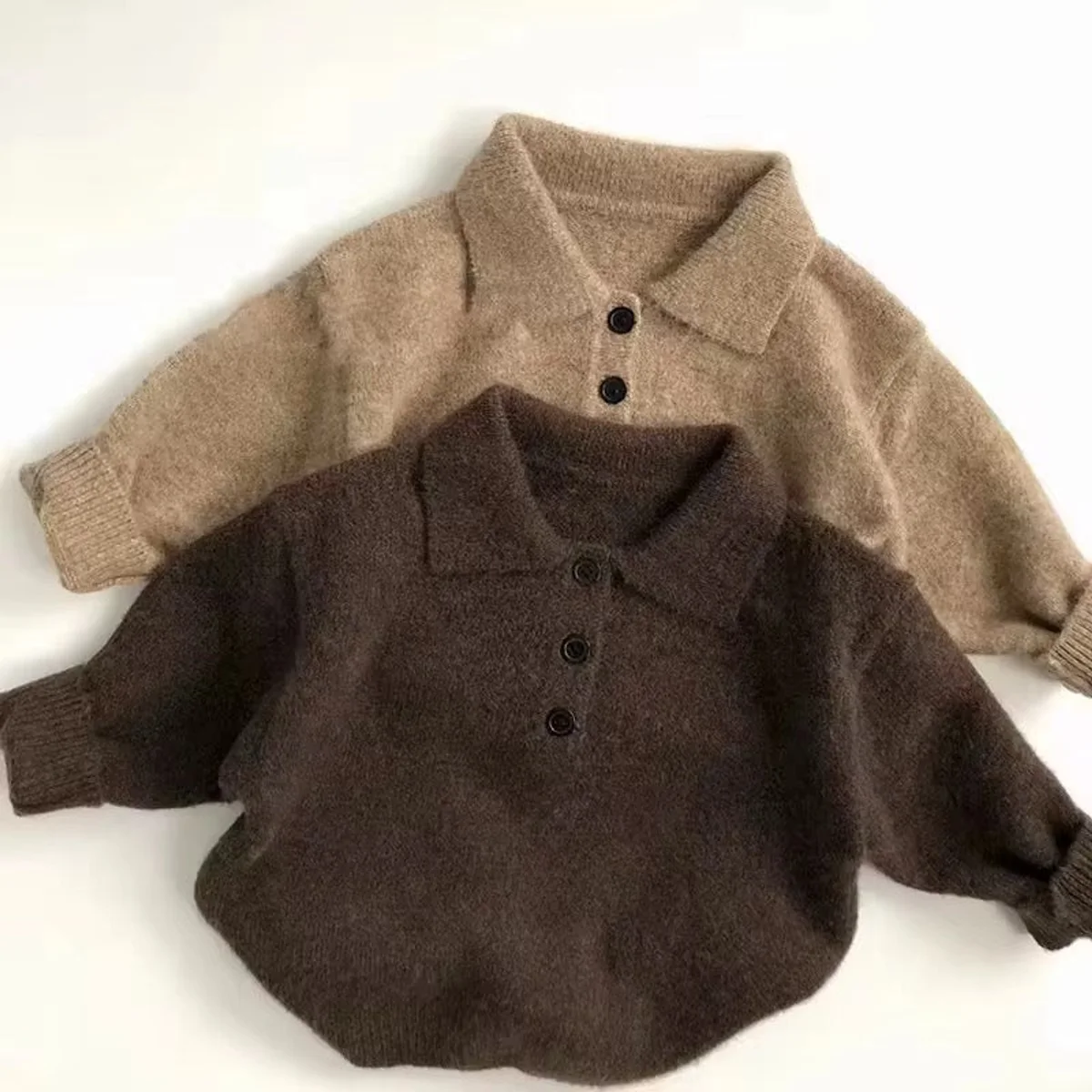 Toddlers
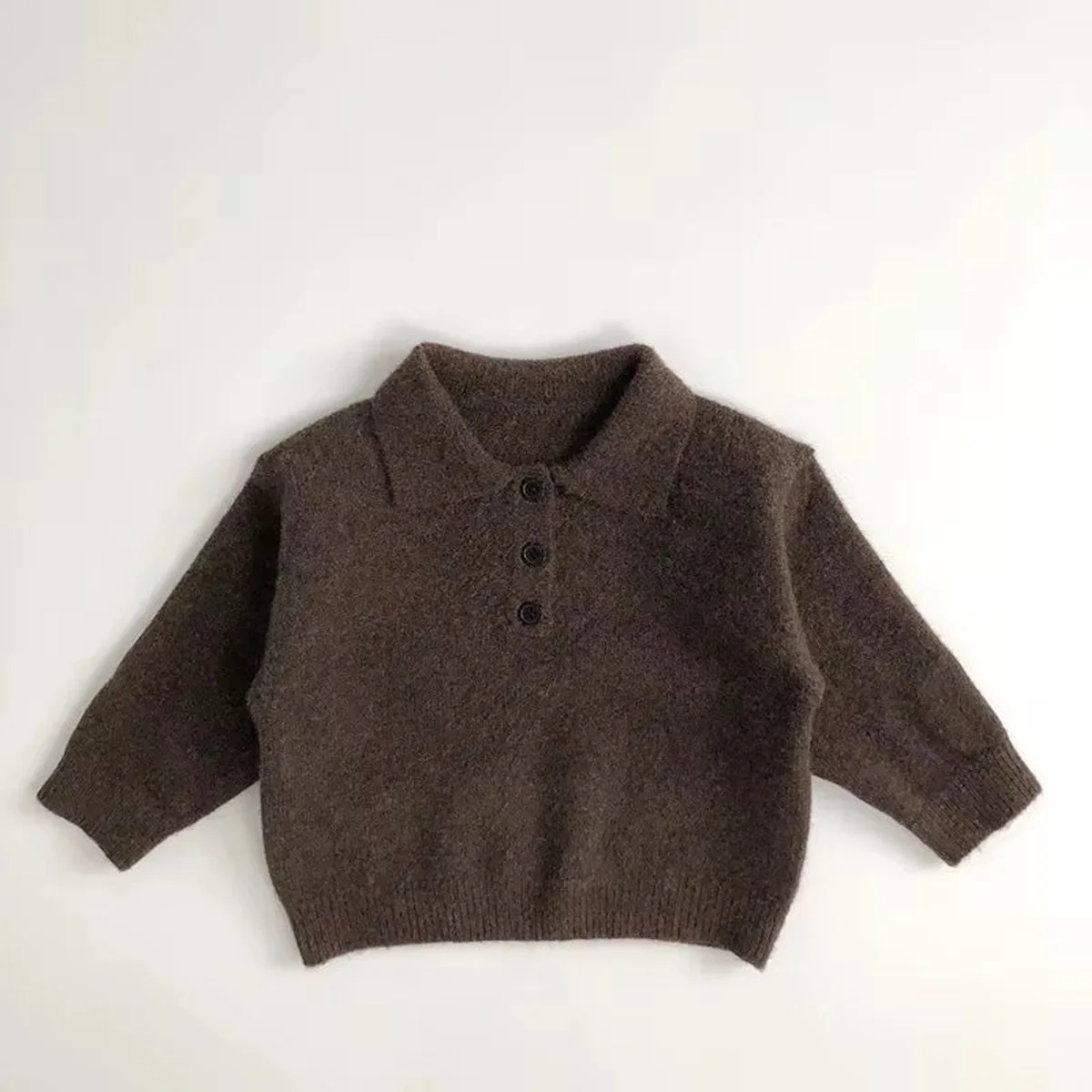
 Toddlers

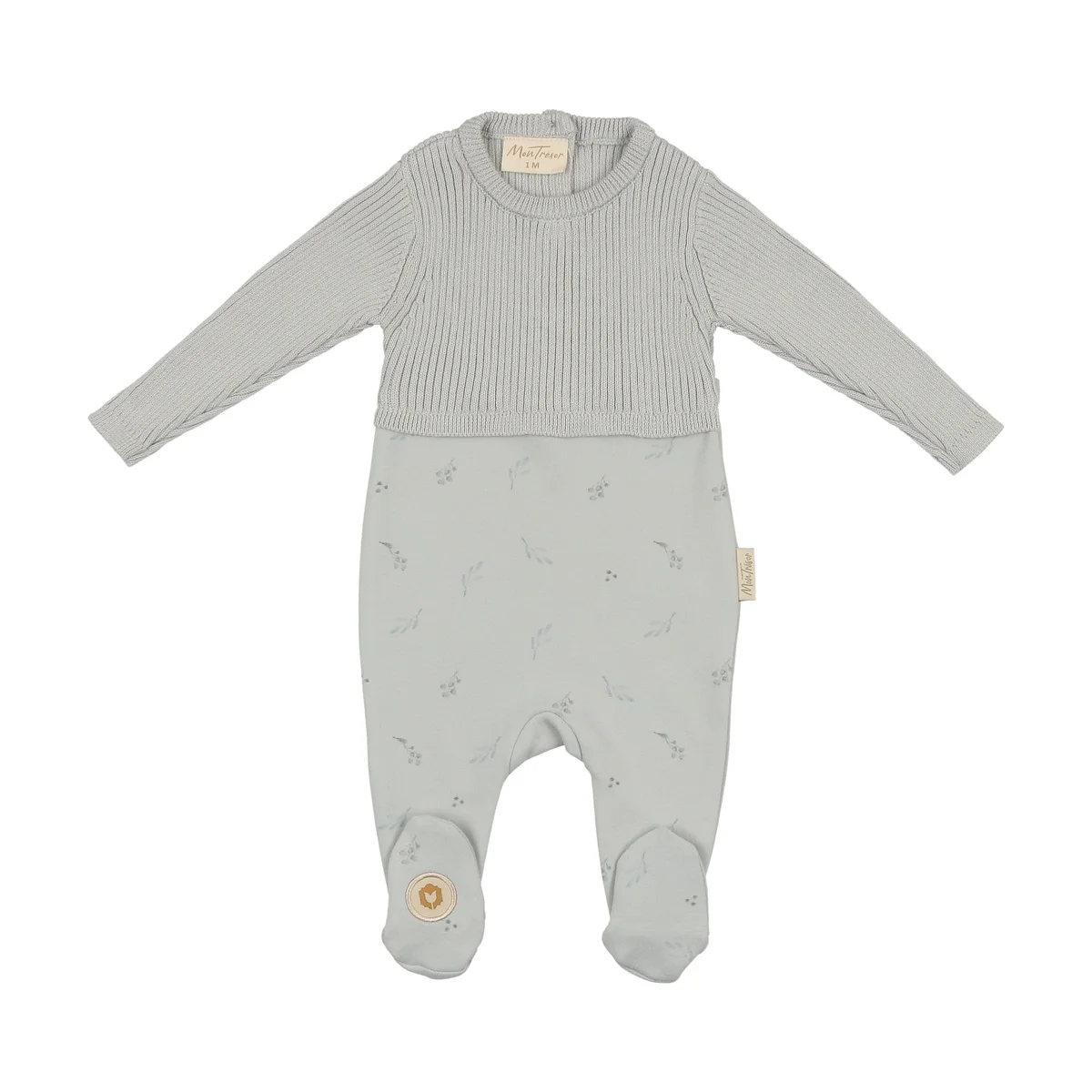 Toddlers
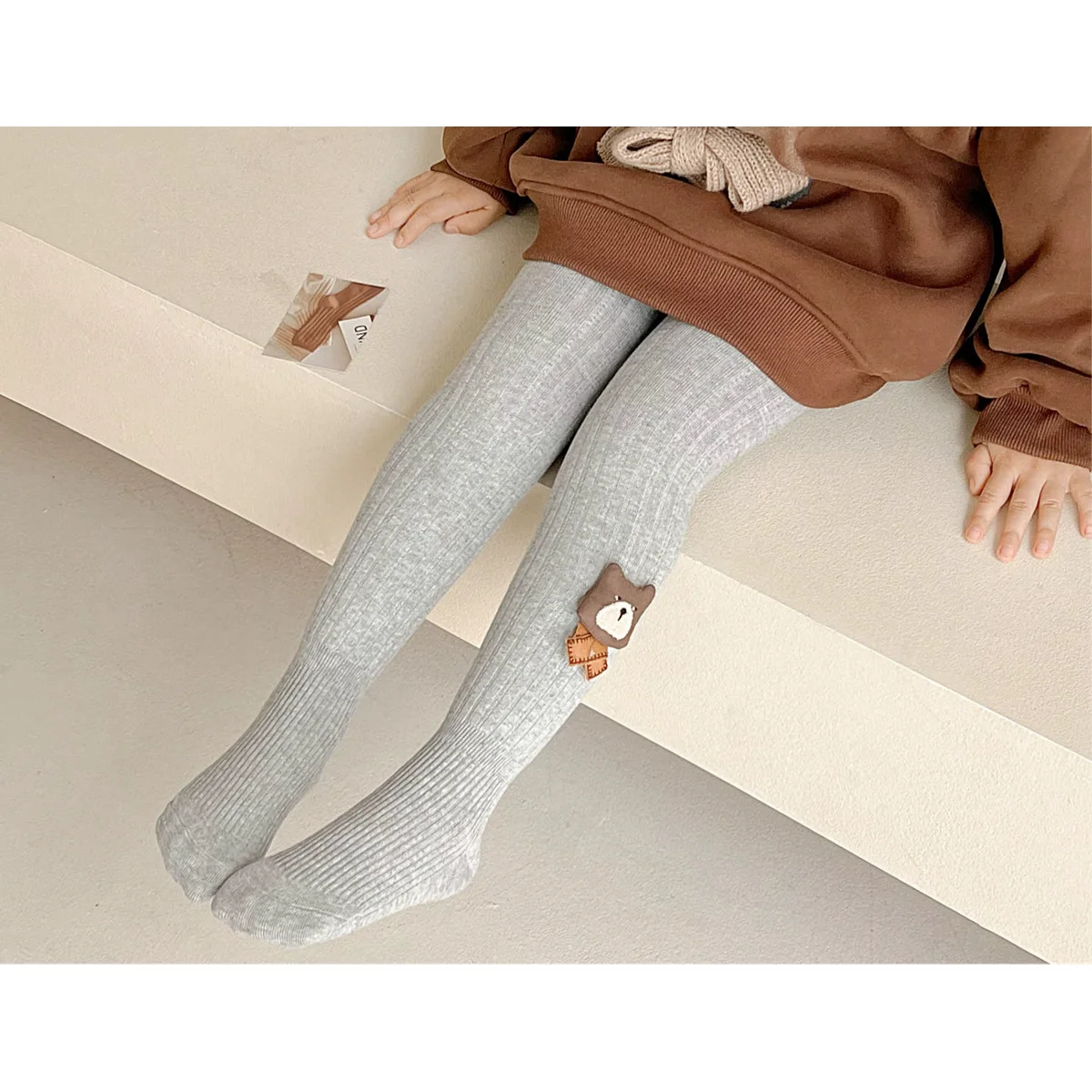 Toddlers
Written by Snugtot editors · updated Nov 13, 2026 · milestones after the CDC's "Learn the Signs. Act Early." program; sleep ranges from the AASM; feeding and vaccines from CDC and AAP guidance. General information, not medical advice; your pediatrician knows your child.