
Ages and stages / 10 years
Your 10-year-old
A 10-year-old is often steady, curious, and eager to show what they can do. Friendships matter more than ever, and many children this age start to care about fairness, rules, and how they compare with peers. Some are working hard at school and want to be seen as capable, while others are quieter and more private. The big change of this period is the approach of early puberty for some children, which can bring new moods, body changes, and a growing wish for privacy. Parents often notice more independence in homework and routines, along with more talk about who is in or out socially. Conversations in the car or at bedtime tend to open up more than at other times. Consistency, warmth, and time to talk without pressure usually serve a child this age well.
Sleep
9–12 hours
in 24 hours, naps included; no nap.
Clothing size
10–11 (kids)
by height. Check the maker's height chart; brands differ more than in baby sizes.
Car seat
Booster seat until the adult belt fits: lap belt on the thighs, shoulder belt across the chest, usually 4 ft 9 in and age 8–12. Back seat until 13.
What most children do at 10 years
Most means about three in four, the CDC's framing. Many do these later and are fine; if several are missing, mention it at the next visit.
Moving
Most 10-year-olds run, climb, ride a bike, and join team sports with good coordination. Many are developing stronger balance, endurance, and fine motor skills for writing, drawing, and playing instruments. Some children are still growing into their new body size, so clumsiness can appear during growth spurts.
Talking and understanding
Most children this age read longer chapter books, write multi-paragraph stories, and explain their reasoning clearly. Many enjoy jokes, wordplay, and debates. Some children are still building skills in spelling, organizing essays, or expressing feelings in words.
Social and feelings
Most 10-year-olds have close friends and care a great deal about belonging and fairness. Many can handle group rules, take turns in games, and work through small disagreements. Some are more sensitive to teasing or social pressure, and friendships may shift often.
Thinking and learning
Most children this age think more logically, plan ahead, and handle multistep tasks such as projects or longer homework. Many can compare ideas, understand cause and effect, and begin to think about abstract topics like fairness or history. Some learn best with hands-on methods or need extra support in specific subjects.
Sleep and feeding
Sleep at 10 years
9–12 hours in 24, no nap.
Most 10-year-olds need about 9 to 12 hours of sleep in 24 hours, with no nap. Bedtimes may drift later with homework, devices, and activities, and some children have more trouble falling asleep as puberty begins. Practical tip: set a consistent wind-down time, and keep screens out of the bedroom at night so sleep gets the time it needs.
Ranges from the American Academy of Sleep Medicine, endorsed by the AAP. Under one: on the back, alone, in a bare crib.
Feeding at 10 years
Family food, 3 meals and 1–2 snacks. About 1,200–1,800 calories a day depending on age and activity, most of it from the family table. Milk 2–2.5 cups a day, water the rest. Breakfast matters for school; packed lunches that come home untouched are a signal, not a crime.
Most 10-year-olds eat three meals and one or two snacks, mostly from family food, at roughly 1,200 to 1,800 calories a day depending on age and activity. Milk is about 2 to 2.5 cups a day, with water for the rest of their drinks. Practical tip: a good breakfast helps school focus, and a lunch that comes home untouched is worth noticing without making it a battle.
Vaccines due around now
- Flu (every fall)
From the CDC child immunization schedule; your pediatrician's record is the one that counts. Full schedule →
Health at 10 years
Common concerns at this age include colds, sore throats, mild headaches, and minor injuries from sports or play. Some children start growth spurts, experience changes in appetite, or begin noticing early puberty signs such as body odor or breast or genital development. Well-child visits are typically recommended once a year, and they are a good time to ask questions about growth, vaccines, eyesight, and emotional well-being.
Worth a call to the pediatrician- Call if your child seems very tired, sad, or withdrawn for more than a couple of weeks, or loses interest in things they usually enjoy.
- Call if your child has rapid weight gain or loss, persistent stomach pain, or ongoing trouble eating or sleeping.
- Call if you notice early puberty signs at a very young age, or if your child has frequent headaches, vision changes, or trouble with schoolwork that seems new or sudden.
A fever of 100.4°F or more in a baby under 3 months is always a same-day call. Poison Control: 1-800-222-1222.
Play and safety
Things to do together
- Play a board or card game together that needs strategy, like chess, checkers, or a family card game with simple scoring.
- Build a backyard or indoor obstacle course with pillows, chairs, and tape lines, then time each other's runs.
- Cook a simple family recipe together, letting your child measure, stir, and read the steps aloud.
- Take a neighborhood walk or bike ride and have your child name the plants, buildings, or routes they notice.
Toys that fit this age
Model and robotics kits · Strategy games and puzzles · Sports gear for a chosen sport · Craft and maker projects
Safety at exactly this age
- Helmets matter for bikes, scooters, skateboards, and any wheeled activity, since most children this age now ride farther from home.
- Talk through online safety, including not sharing personal details, passwords, or photos with strangers in games or apps.
- Teach water safety for swimming and boating, including never swimming alone and always using the buddy system.
Recent toy and children's product recalls
CHE-US Magnetic Robot Toys · U.S. CPSC · Nov 19
Fidlock Hermetic Dry Bags · Fidlock GmbH, of Hannover, Germany · Nov 19
Qpancy Children’s Pajama Sets · U.S. CPSC · Nov 19
Kakgold 4WD Stunt Vehicle Toys · U.S. CPSC · Nov 12
Questions parents ask at 10 years
How much sleep does a 10-year-old need?
Most 10-year-olds need about 9 to 12 hours of sleep in 24 hours, with no naps. Sleep needs vary by child, and schedules often shift with school and activities. A steady bedtime routine and limiting screens before bed can help many children sleep more soundly.
Is it normal for my 10-year-old to be moody?
Mood changes are common at this age, especially as some children approach puberty. Many become more sensitive to friendships, schoolwork, and fairness. Staying calm, listening, and keeping regular routines usually helps. Call your pediatrician if moods seem severe or last a long time.
How much screen time is right for a 10-year-old?
Guidance varies, and many families set limits based on school needs, sleep, and physical activity. The AAP suggests consistent limits and screen-free times, such as meals and bedtime. Talking with your child about what they watch and play is often as important as counting minutes.
My 10-year-old refuses to eat school lunch. Should I worry?
A lunch that comes home untouched is worth noticing, but it is not always a cause for alarm. Children may be busy, rushed, or not hungry at school. Check whether breakfast is eaten, talk with your child about what they like, and let them help pack lunch when possible.
How can I tell if my 10-year-old is ready for more independence?
Many 10-year-olds can handle more responsibility, such as managing homework, packing their own bag, or walking to nearby places with friends. Readiness differs for each child. Start small, notice how they handle the task, and increase independence gradually as they show they can manage it.
Picks for a 10-year-old
The maker's own age label is shown on every product; we do not add our own.
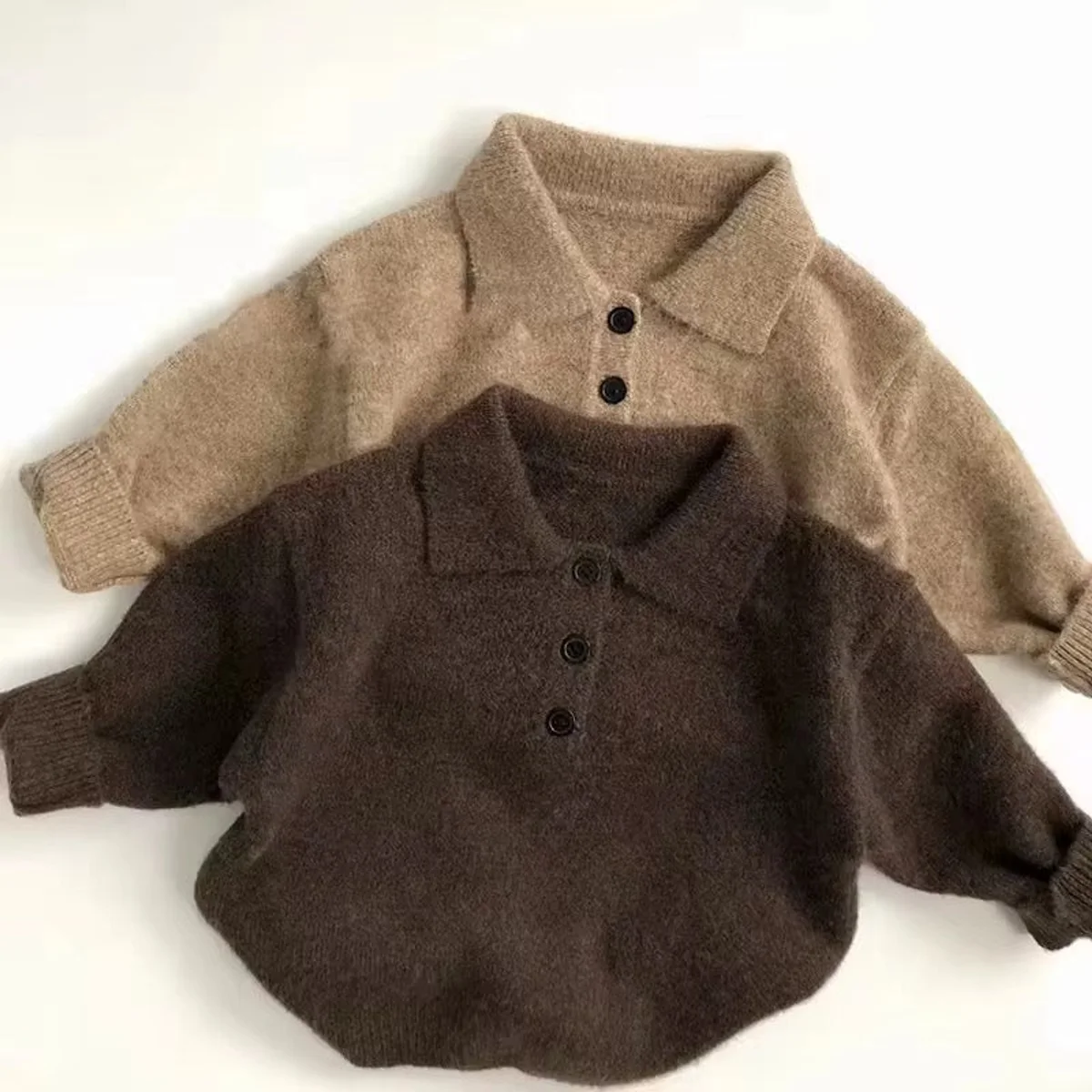 Toddlers
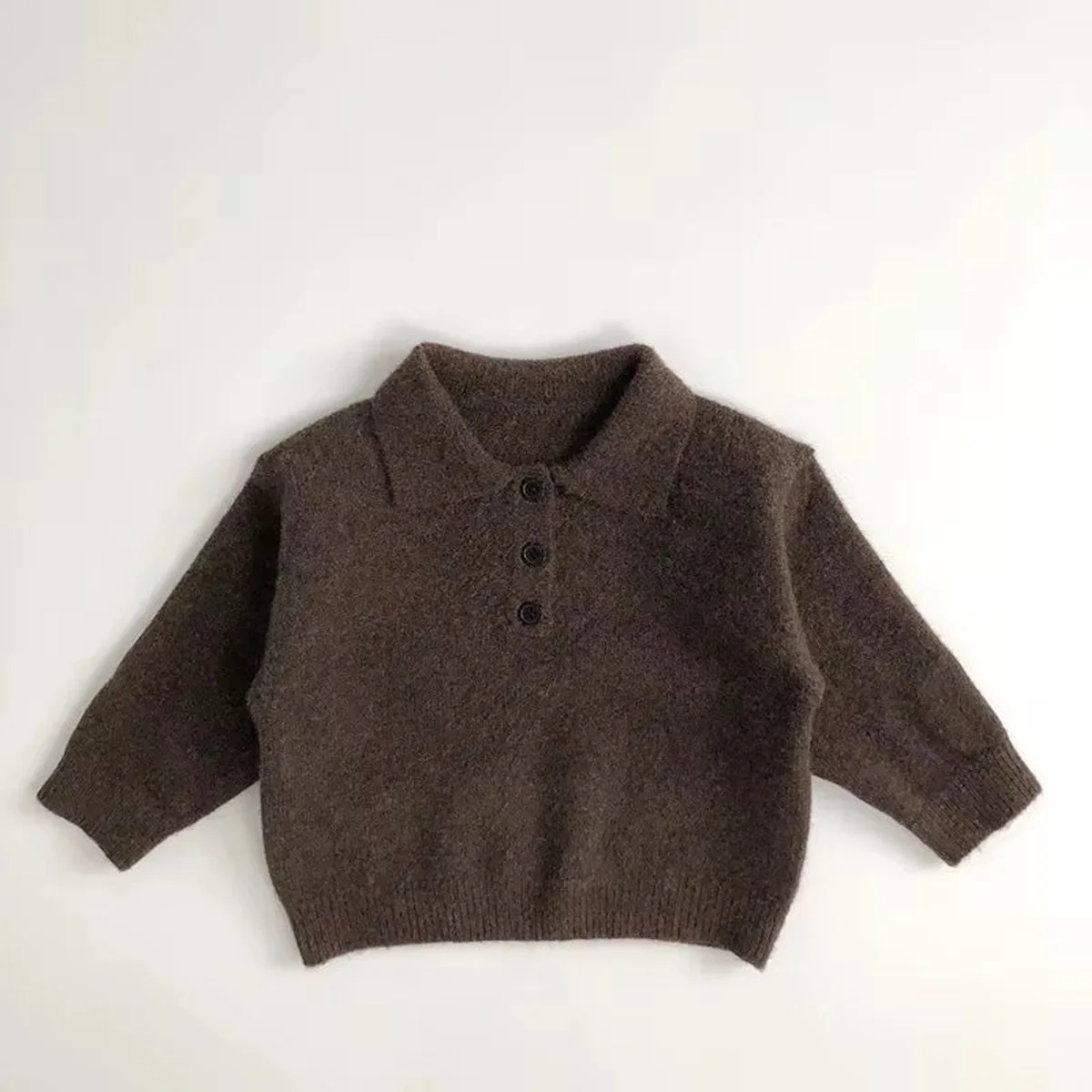
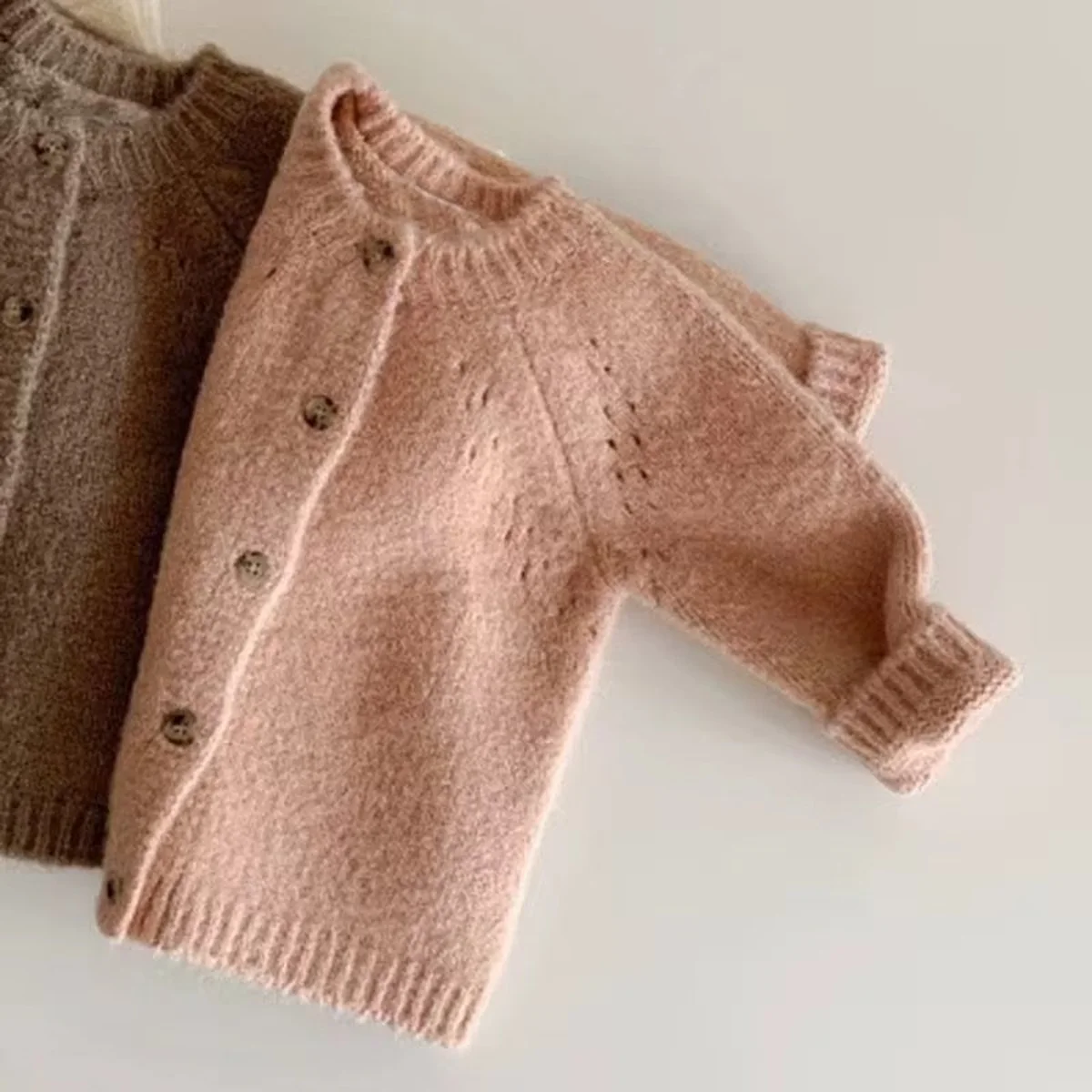 Toddlers

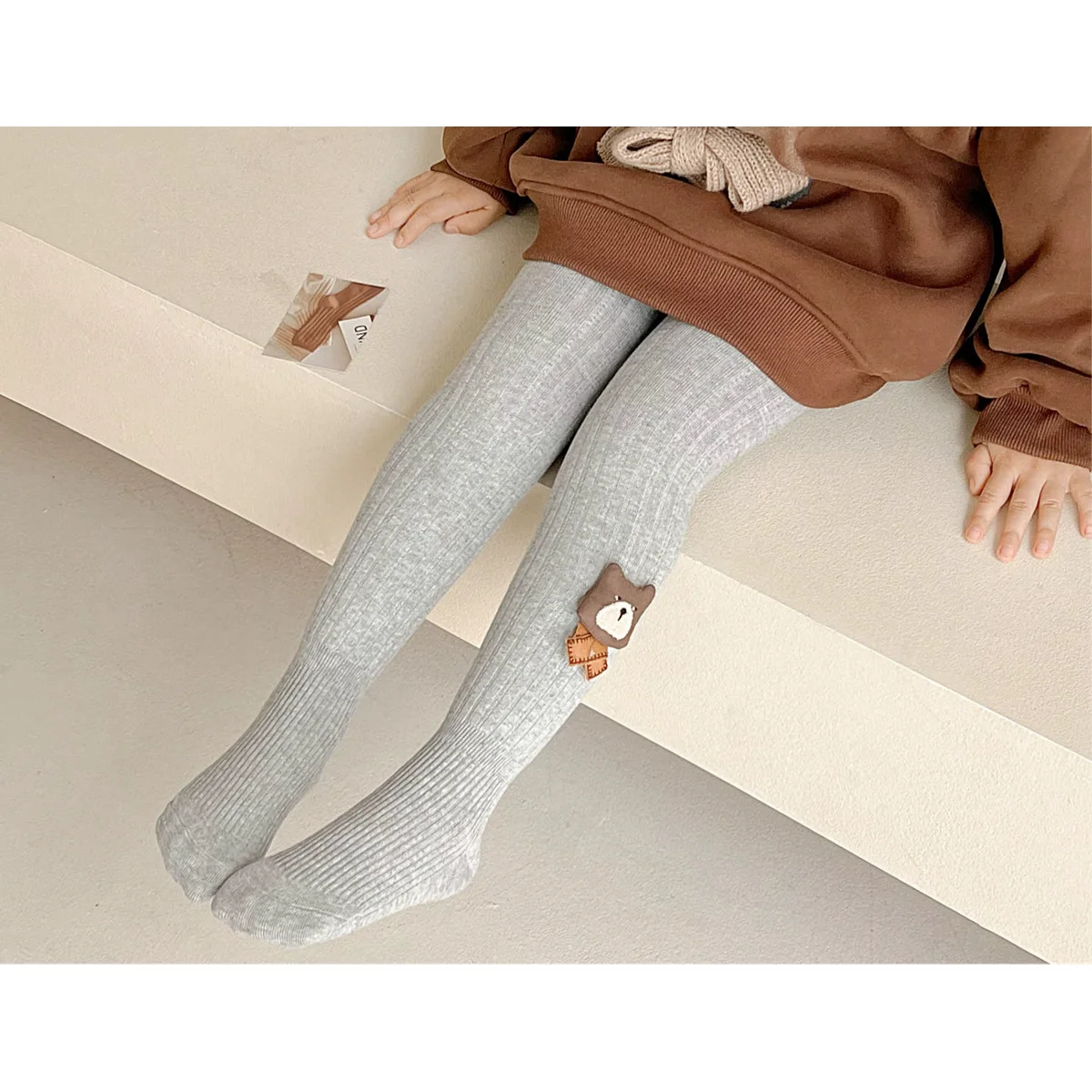 Toddlers
 Toddlers
Written by Snugtot editors · updated Nov 13, 2026 · milestones after the CDC's "Learn the Signs. Act Early." program; sleep ranges from the AASM; feeding and vaccines from CDC and AAP guidance. General information, not medical advice; your pediatrician knows your child.