
Ages and stages / 11 years
Your 11-year-old
Eleven is a bridge year. Many children this age are curious, chatty, and eager to show they can handle more responsibility, yet they still want a parent close by when something feels big. Friendships shift, and the peer group starts to matter more than it did even a year ago, which can bring moments of self-consciousness, sensitivity to teasing, or a sudden preference for privacy. Bodies are beginning to change for many children, with growth spurts, appetite jumps, and early signs of puberty showing up at different times. Parents often notice a new mix of independence and need for reassurance, sometimes within the same afternoon. Homework grows longer, and many kids begin to juggle more activities, which makes routine and downtime feel more important.
Sleep
9–12 hours
in 24 hours, naps included; no nap.
Clothing size
11–12 (kids)
by height. Check the maker's height chart; brands differ more than in baby sizes.
Car seat
Booster seat until the adult belt fits: lap belt on the thighs, shoulder belt across the chest, usually 4 ft 9 in and age 8–12. Back seat until 13.
What most children do at 11 years
Most means about three in four, the CDC's framing. Many do these later and are fine; if several are missing, mention it at the next visit.
Moving
Most 11-year-olds have strong, coordinated movement for sports, bike riding, and dance. Many have improved endurance and balance and are refining skills like throwing, catching, and handwriting. Growth spurts are common, and some children notice clumsiness during fast growth before coordination settles again.
Talking and understanding
Most children this age speak in fluent, detailed sentences and can explain their reasoning, tell longer stories, and debate ideas. Many begin using more abstract words, sarcasm, and humor. Some are still working on writing organized essays, and reading comprehension continues to build through middle school.
Social and feelings
Many 11-year-olds care deeply about friendships and fairness and want to belong to a group. Some start to test rules, seek privacy, or compare themselves with peers. Most still look to trusted adults for guidance, even when they seem to resist it.
Thinking and learning
Most children this age can think through cause and effect, plan several steps ahead, and understand different points of view. Many enjoy complex games, puzzles, and projects, and they begin to reason about rules and consequences more independently. Attention span for focused tasks is growing, though it still varies widely.
Sleep and feeding
Sleep at 11 years
9–12 hours in 24, no nap.
Most 11-year-olds need about 9 to 12 hours of sleep in 24, with no nap. Bedtimes can drift later with homework, screens, and social plans, and the body clock may shift toward later nights during puberty. A steady wind-down routine and a consistent wake time on school days can help. Many families find that keeping screens out of the bedroom at night makes falling asleep easier.
Ranges from the American Academy of Sleep Medicine, endorsed by the AAP. Under one: on the back, alone, in a bare crib.
Feeding at 11 years
Family food, 3 meals and 1–2 snacks. About 1,200–1,800 calories a day depending on age and activity, most of it from the family table. Milk 2–2.5 cups a day, water the rest. Breakfast matters for school; packed lunches that come home untouched are a signal, not a crime.
Most 11-year-olds eat three meals and one or two snacks, mostly from family food, for roughly 1,200 to 1,800 calories a day depending on size and activity. Milk is about 2 to 2.5 cups a day, with water as the main drink. Appetite may rise noticeably during growth spurts. A protein-rich breakfast before school can help with focus, and a packed lunch returning uneaten is worth a gentle conversation, not a battle.
Vaccines due around now
- Tdap (11–12 years)
- HPV (11–12 years, two doses)
- MenACWY (11–12 years)
From the CDC child immunization schedule; your pediatrician's record is the one that counts. Full schedule →
Health at 11 years
Common concerns at this age include colds, sports bumps, growth-related aches, and early puberty changes such as body odor, acne, and emotional swings. Well-child visits are a good time to review growth, vaccines, vision, dental care, and mental health. Many children also start to notice body changes that feel awkward, so reassurance and simple facts from a trusted adult can help.
Worth a call to the pediatrician- Call if your child has a sudden change in mood, withdrawal, or signs of sadness or anxiety that last more than a couple of weeks.
- Call if puberty seems to start very early, such as breast development or pubic hair before about age 8 in girls or 9 in boys.
- Call if your child has ongoing trouble sleeping, headaches, stomach pain, or weight changes that worry you.
A fever of 100.4°F or more in a baby under 3 months is always a same-day call. Poison Control: 1-800-222-1222.
Play and safety
Things to do together
- Pick a board game or card game with strategy and let your child teach you the rules, then play two rounds with them choosing the moves.
- Go on a bike ride or walk together, choosing a new route each time and letting your child lead the way.
- Cook a simple family dinner together, giving your child a real task like chopping, measuring, or planning the menu.
- Start a shared project, like building something, planting a small garden, or making a short video, and check in on it weekly together.
Toys that fit this age
Model and robotics kits · Strategy games and puzzles · Sports gear for a chosen sport · Craft and maker projects
Safety at exactly this age
- Bike, scooter, and skateboard safety matters more now because children ride faster and farther; a helmet every time and clear road rules help.
- Online safety deserves an open conversation about privacy, strangers, and what to do if something upsetting happens on a phone or game.
- Water safety is important as independence grows; children should swim only with a buddy or supervision and know the rules for lakes, pools, and surf.
Recent toy and children's product recalls
CHE-US Magnetic Robot Toys · U.S. CPSC · Nov 19
Fidlock Hermetic Dry Bags · Fidlock GmbH, of Hannover, Germany · Nov 19
Qpancy Children’s Pajama Sets · U.S. CPSC · Nov 19
Kakgold 4WD Stunt Vehicle Toys · U.S. CPSC · Nov 12
Questions parents ask at 11 years
How much sleep does an 11-year-old need?
Most 11-year-olds need about 9 to 12 hours of sleep in 24 hours, with no naps. Many children this age get less because of homework and screens, so a steady bedtime and a calm routine before lights out can make a difference. If your child is tired during the day, it may be a sign they need more rest.
Is it normal for my 11-year-old to eat more than before?
Yes, many children eat more during growth spurts. Most 11-year-olds need roughly 1,200 to 1,800 calories a day, mostly from family meals and a couple of snacks. Offering balanced meals and water as the main drink usually works better than strict limits.
How much screen time is reasonable at this age?
Guidance varies, but many families set limits that leave room for sleep, homework, physical activity, and family time. Keeping devices out of bedrooms at night and talking about what your child watches and posts tends to work better than counting minutes alone.
My 11-year-old is moody and pulls away. Is this normal?
Many children this age want more privacy and can seem moody as they grow more independent and go through hormonal changes. Staying calm, keeping connection through regular low-pressure time together, and watching for signs of ongoing sadness are helpful steps. Call your pediatrician if the change feels severe or lasts a long time.
How do I help my 11-year-old handle school and homework?
Many children benefit from a set homework time, a quiet place to work, and a simple checklist for assignments. Ask about their day, and check in on their progress with teachers if you notice a pattern of missing work or stress. Encouraging effort and good sleep usually helps more than pushing for perfect grades.
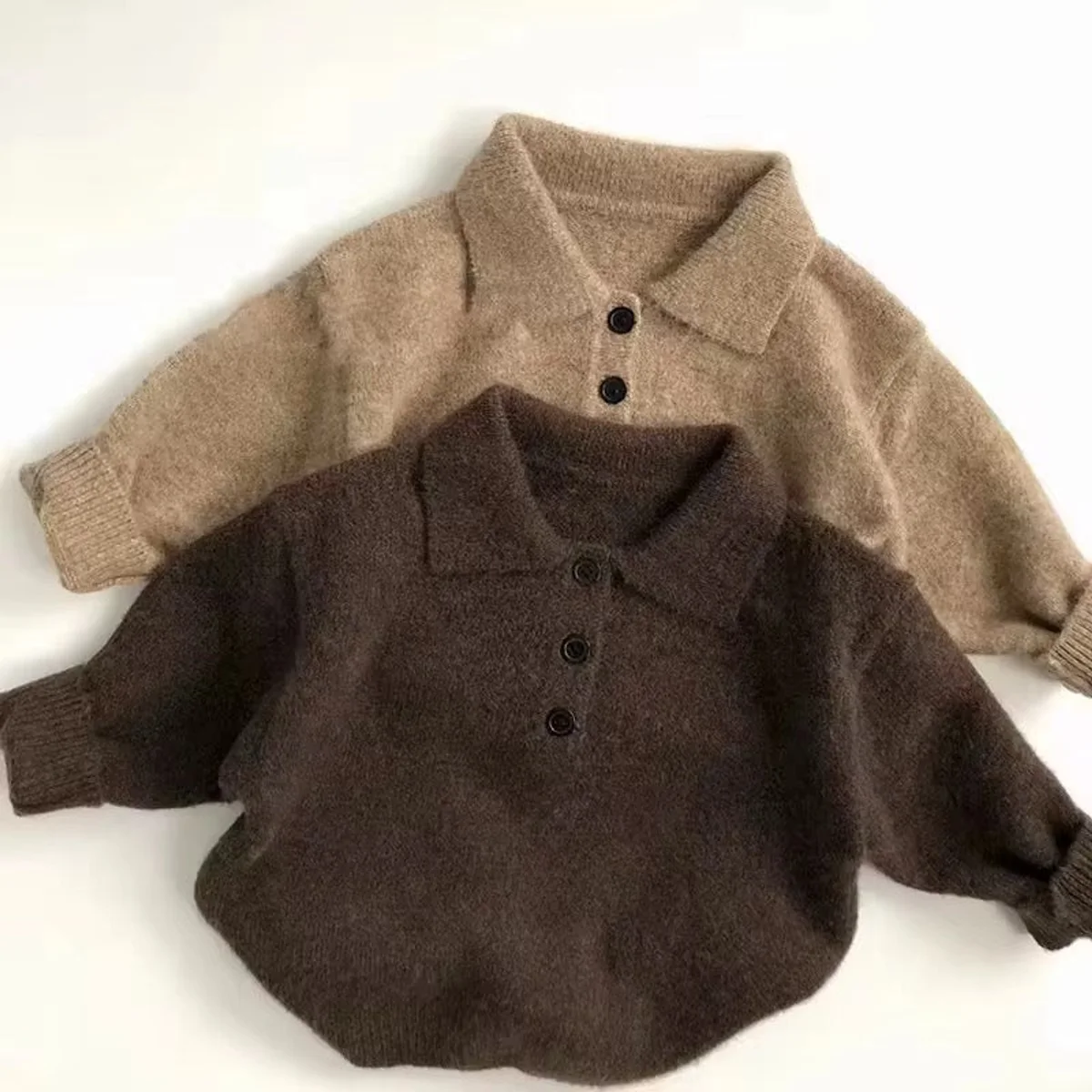
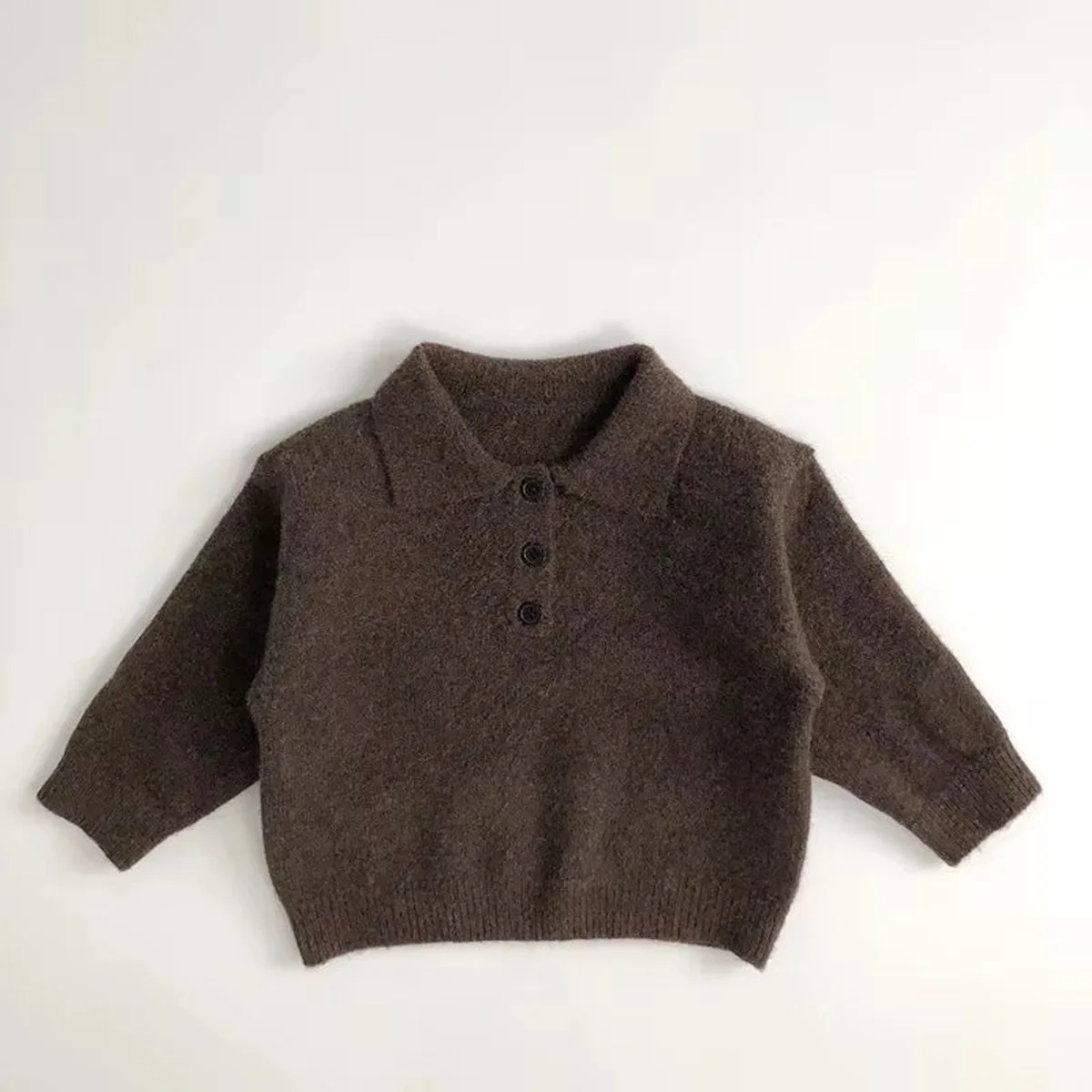
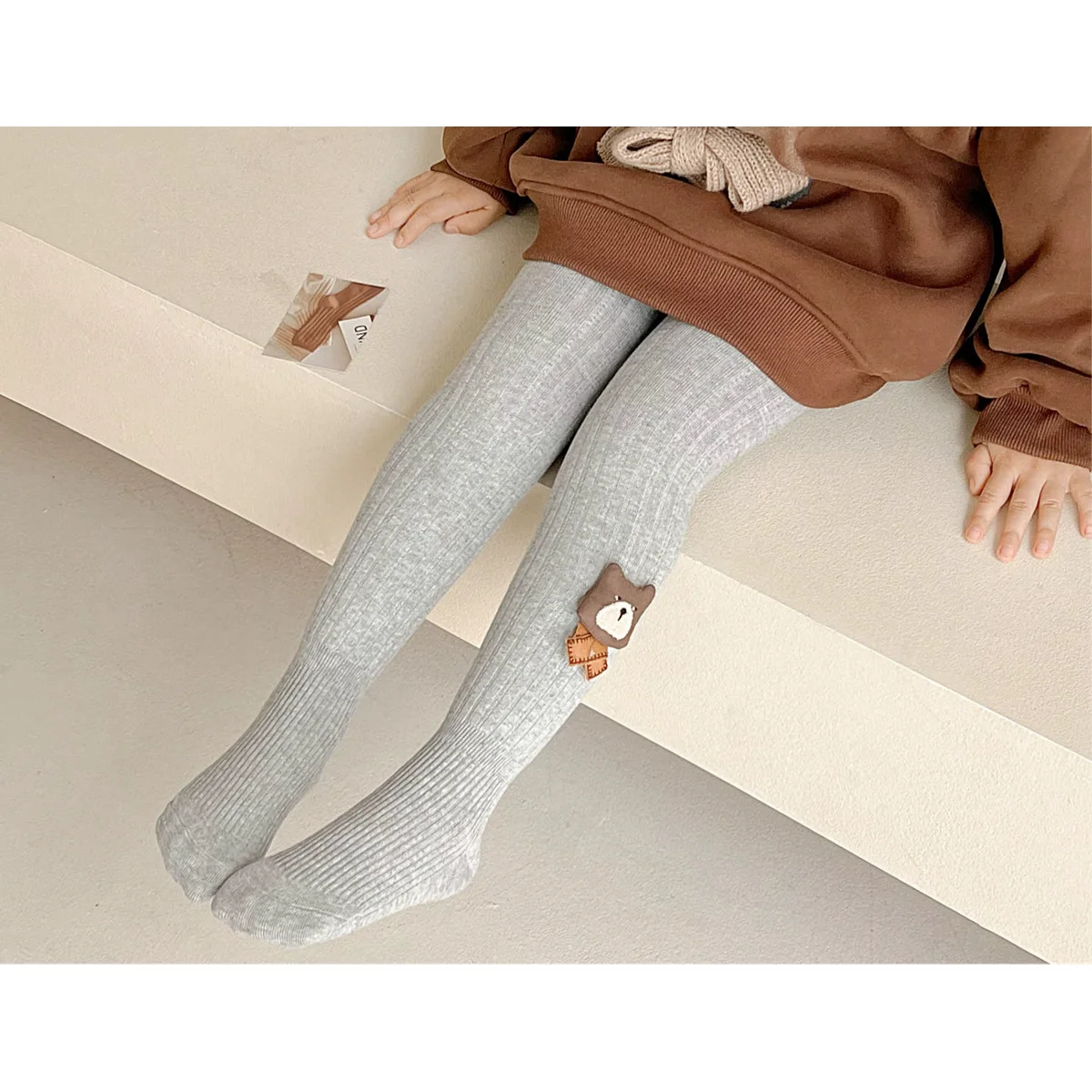
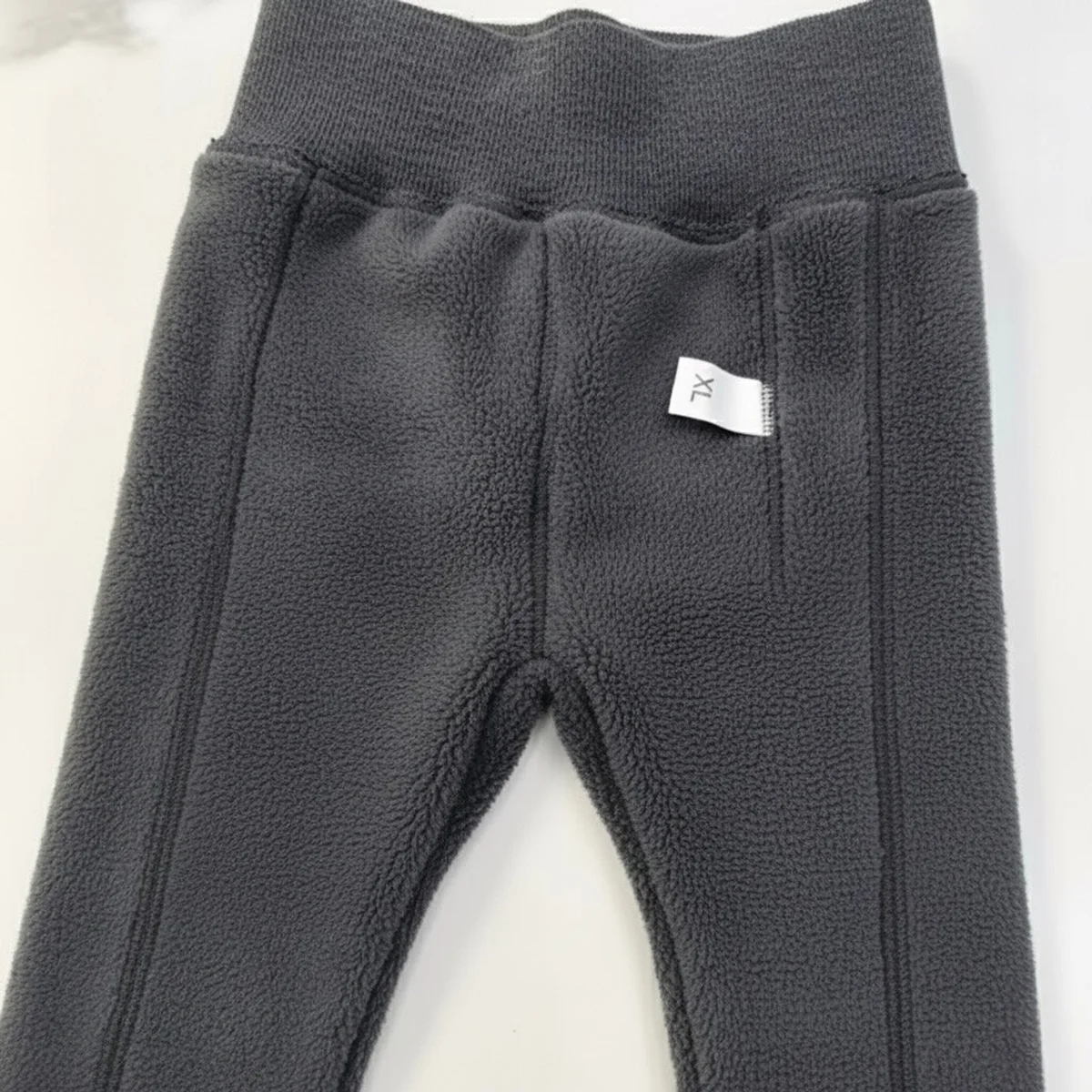
Picks for an 11-year-old
The maker's own age label is shown on every product; we do not add our own.
 Toddlers
 Toddlers

 Toddlers
 Toddlers
Written by Snugtot editors · updated Nov 13, 2026 · milestones after the CDC's "Learn the Signs. Act Early." program; sleep ranges from the AASM; feeding and vaccines from CDC and AAP guidance. General information, not medical advice; your pediatrician knows your child.