
Ages and stages / 12 years
Your 12-year-old
Twelve is the edge of the middle years. Many 12-year-olds are settling into middle school routines, with more classes, more homework, and friendships that matter a great deal. Mood can shift quickly, and a child who was chatty at breakfast may be quiet by dinner. Many kids this age start wanting more privacy and more say in their own choices, while still turning to parents for comfort when something goes wrong. Growth is often steady, and some children begin the early changes of puberty, so bodies look different from one month to the next. What parents usually notice first is a new independence in how their child plans their day, along with a growing interest in what peers think, wear, and do.
Sleep
9–12 hours
in 24 hours, naps included; no nap.
Clothing size
12–13 (kids)
by height. Check the maker's height chart; brands differ more than in baby sizes.
Car seat
Booster seat until the adult belt fits: lap belt on the thighs, shoulder belt across the chest, usually 4 ft 9 in and age 8–12. Back seat until 13.
What most children do at 12 years
Most means about three in four, the CDC's framing. Many do these later and are fine; if several are missing, mention it at the next visit.
Moving
Most 12-year-olds have strong, coordinated movement and can ride a bike through traffic, play organized sports, and handle longer days of physical activity. Many are growing fast, so balance and coordination may feel clumsy for a while. Some are still building endurance and fine skills like handwriting, with a wide range of normal.
Talking and understanding
Most 12-year-olds speak in full, detailed sentences and can explain their reasoning, argue a point, and tell a long story in order. Many read chapter books for pleasure and can summarize what they have read. Some still find it easier to talk side by side than face to face, and the range is wide.
Social and feelings
Most 12-year-olds care a lot about friends and fitting in, and they often compare themselves with peers. Many want more privacy and more say over decisions, while still wanting parents to be available. Some form close friendships with one or two people instead of big groups, and both patterns are common.
Thinking and learning
Most 12-year-olds can think about abstract ideas, plan ahead for a project, and weigh pros and cons before deciding. Many are starting to see that other people may think differently from them. Some still rely heavily on adults to organize their time, and learning to manage it grows over the next few years.
Sleep and feeding
Sleep at 12 years
9–12 hours in 24, no nap.
Most 12-year-olds need about 9 to 12 hours of sleep in 24, with no nap. School mornings can make bedtime feel late, and screens in the bedroom often push it later still. Many children this age start to shift toward later bedtimes, which is normal, but the wake-up time for school does not move. A practical tip is to set a consistent device-free time about an hour before bed and keep the same wake-up time on weekends within an hour or so.
Ranges from the American Academy of Sleep Medicine, endorsed by the AAP. Under one: on the back, alone, in a bare crib.
Feeding at 12 years
Family food, 3 meals and 1–2 snacks. About 1,200–1,800 calories a day depending on age and activity, most of it from the family table. Milk 2–2.5 cups a day, water the rest. Breakfast matters for school; packed lunches that come home untouched are a signal, not a crime.
Most 12-year-olds eat family food across three meals and one or two snacks, roughly 1,200 to 1,800 calories a day depending on age and activity. Milk at 2 to 2.5 cups a day, with water for the rest, works well. Appetite can swing a lot during growth spurts. A practical tip is to keep breakfast simple and quick, such as eggs with toast or yogurt with fruit, since eating before school helps focus. If a packed lunch comes home untouched, it is useful information to talk through together.
Vaccines due around now
- Flu (every fall)
From the CDC child immunization schedule; your pediatrician's record is the one that counts. Full schedule →
Health at 12 years
Common concerns at this age include colds, sore throats, and occasional headaches, which are usually short-lived. Growth spurts can cause aches in the legs or knees and a big appetite. Some children begin puberty, with changes in body odor, skin, and mood. Regular well visits are a good time to check growth, vision, hearing, and vaccines, and to ask questions in private.
Worth a call to the pediatrician- Ask your pediatrician about a sudden drop in school performance, withdrawing from friends, or big changes in mood that last several weeks.
- Call if your child has frequent headaches, dizziness, or trouble seeing or hearing clearly, or if symptoms keep returning.
- Reach out if your child talks about hurting themselves or seems very hopeless, or if they stop eating or sleeping for more than a short stretch.
A fever of 100.4°F or more in a baby under 3 months is always a same-day call. Poison Control: 1-800-222-1222.
Play and safety
Things to do together
- Pick a sport, game, or activity your child chooses and join in for an hour on a weekend, playing rather than coaching.
- Cook a simple family dinner together, with your child choosing one dish and handling the steps they can manage.
- Take a walk or bike ride somewhere new in your town, letting your child pick the route and the stopping point.
- Play a board or card game that rewards strategy, and let your child teach you the rules of something they already enjoy.
Toys that fit this age
Model and robotics kits · Strategy games and puzzles · Sports gear for a chosen sport · Craft and maker projects
Safety at exactly this age
- Helmets matter for biking, skating, scooters, and skateboarding, and a well-fitting helmet is the simplest protection to keep consistent.
- Phones and social media can expose kids to strangers and unkind messages, so keep an open rule about who they talk to online and where devices charge overnight.
- Trying new activities, including older cars, rides, or dares with friends, can raise injury risk, so talk through what to do when a friend pushes them.
Recent toy and children's product recalls
CHE-US Magnetic Robot Toys · U.S. CPSC · Nov 19
Fidlock Hermetic Dry Bags · Fidlock GmbH, of Hannover, Germany · Nov 19
Qpancy Children’s Pajama Sets · U.S. CPSC · Nov 19
Kakgold 4WD Stunt Vehicle Toys · U.S. CPSC · Nov 12
Questions parents ask at 12 years
How much sleep does a 12-year-old need?
Most 12-year-olds need about 9 to 12 hours of sleep in 24, with no nap. Many get less because of school and screens. A steady bedtime and wake-up time helps, and so does keeping devices out of the bedroom at night. Every child's needs differ a bit, so watch how your child seems during the day.
Is it normal for my 12-year-old to want more privacy?
Yes, many 12-year-olds want more privacy, including in their rooms, phones, and conversations. This is part of growing independence. You can still stay involved by asking open questions, respecting their space in ordinary ways, and staying available when they want to talk. Timing varies widely, so there is no single right pace.
How much screen time is reasonable at this age?
Many families set limits around school nights and bedtime, and keep time for homework, sleep, physical activity, and family life. The AAP suggests consistent limits and talking about what your child is watching and who they talk to. Rules that your child helps shape often work better than rules handed down without discussion.
What if my 12-year-old is not eating much at school lunch?
Some children eat less at school because they are busy, not hungry, or unsure what to choose. A food they like, a snack after school, and breakfast at home can help fill the gap. Talk with your child about what they would actually eat, and watch for steady weight and energy over time rather than one day's lunch.
How do I handle my 12-year-old's moods and tantrums?
Big emotions are common at this age, and they often show up as irritability, eye-rolling, or slammed doors. Staying calm, naming the feeling, and waiting until things cool down usually works better than arguing in the moment. If mood changes are severe, long-lasting, or affect school and friends, talk with your pediatrician.
Picks for a 12-year-old
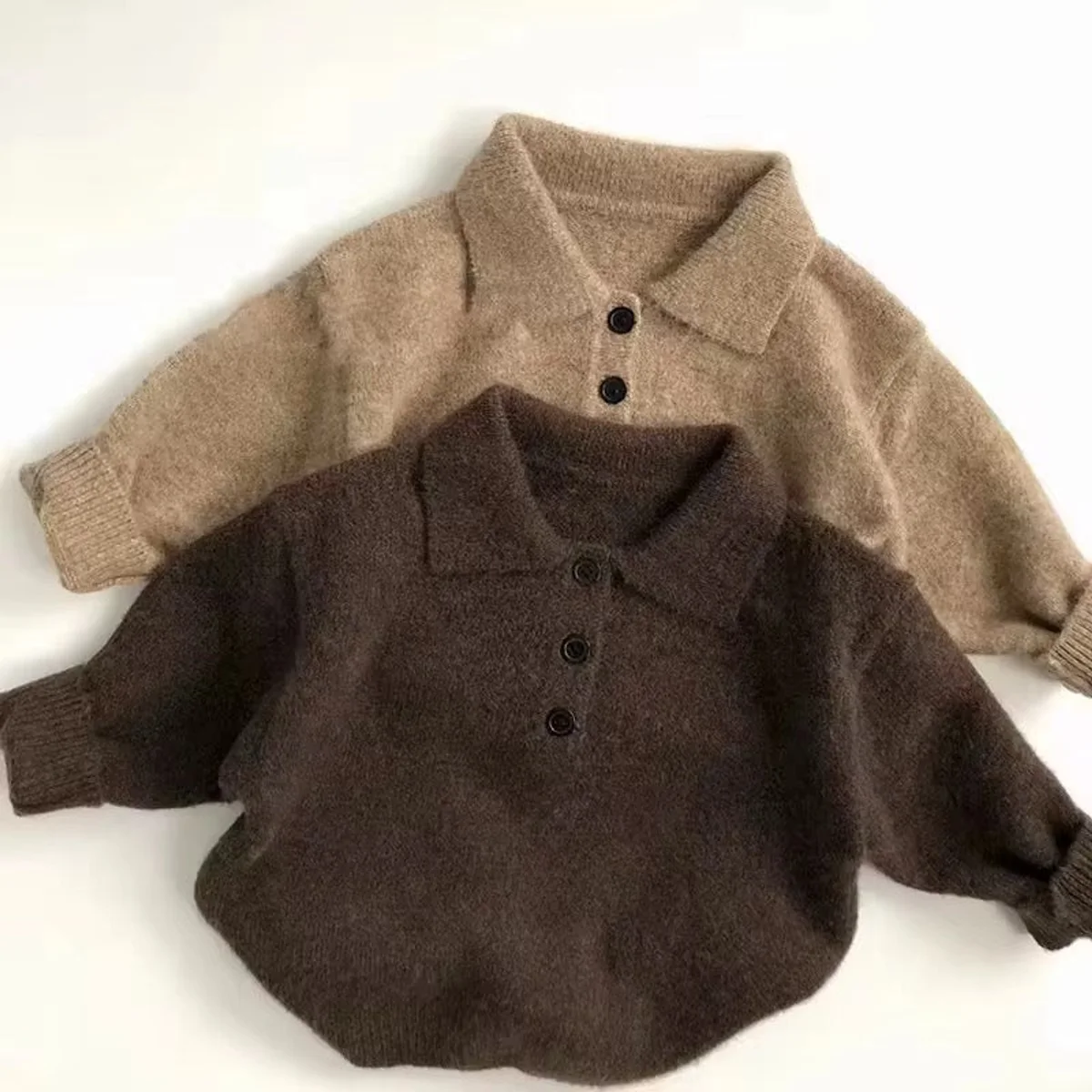
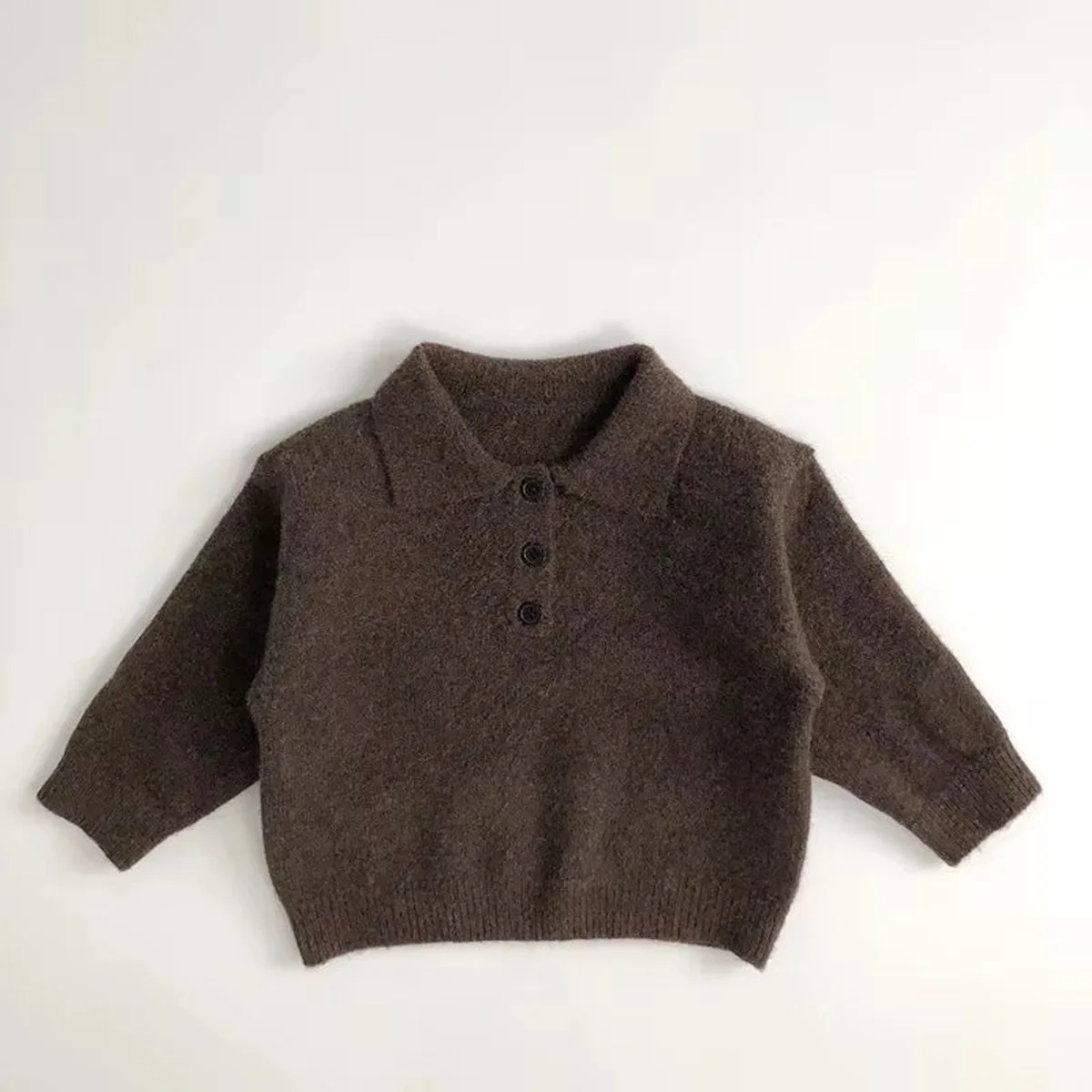
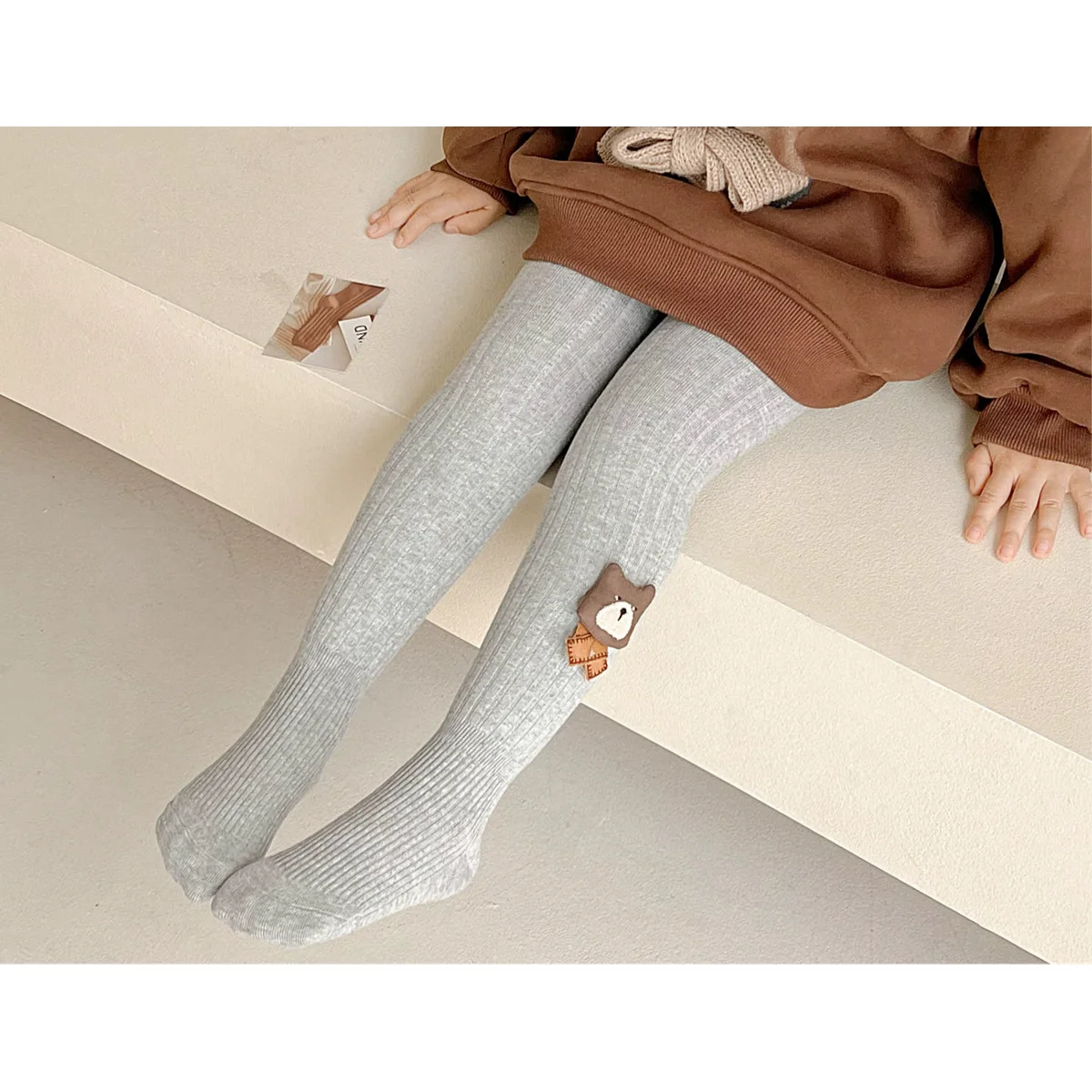
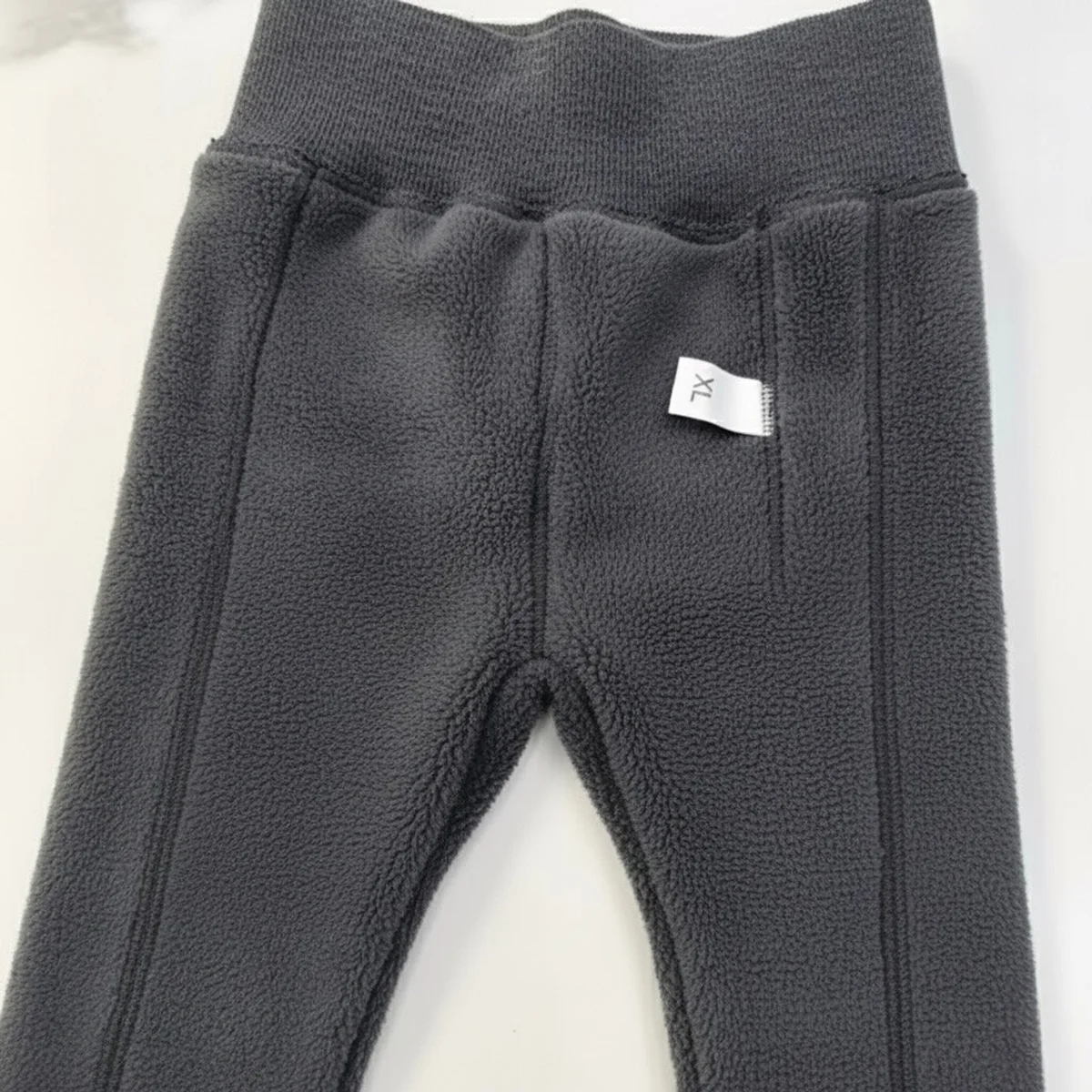
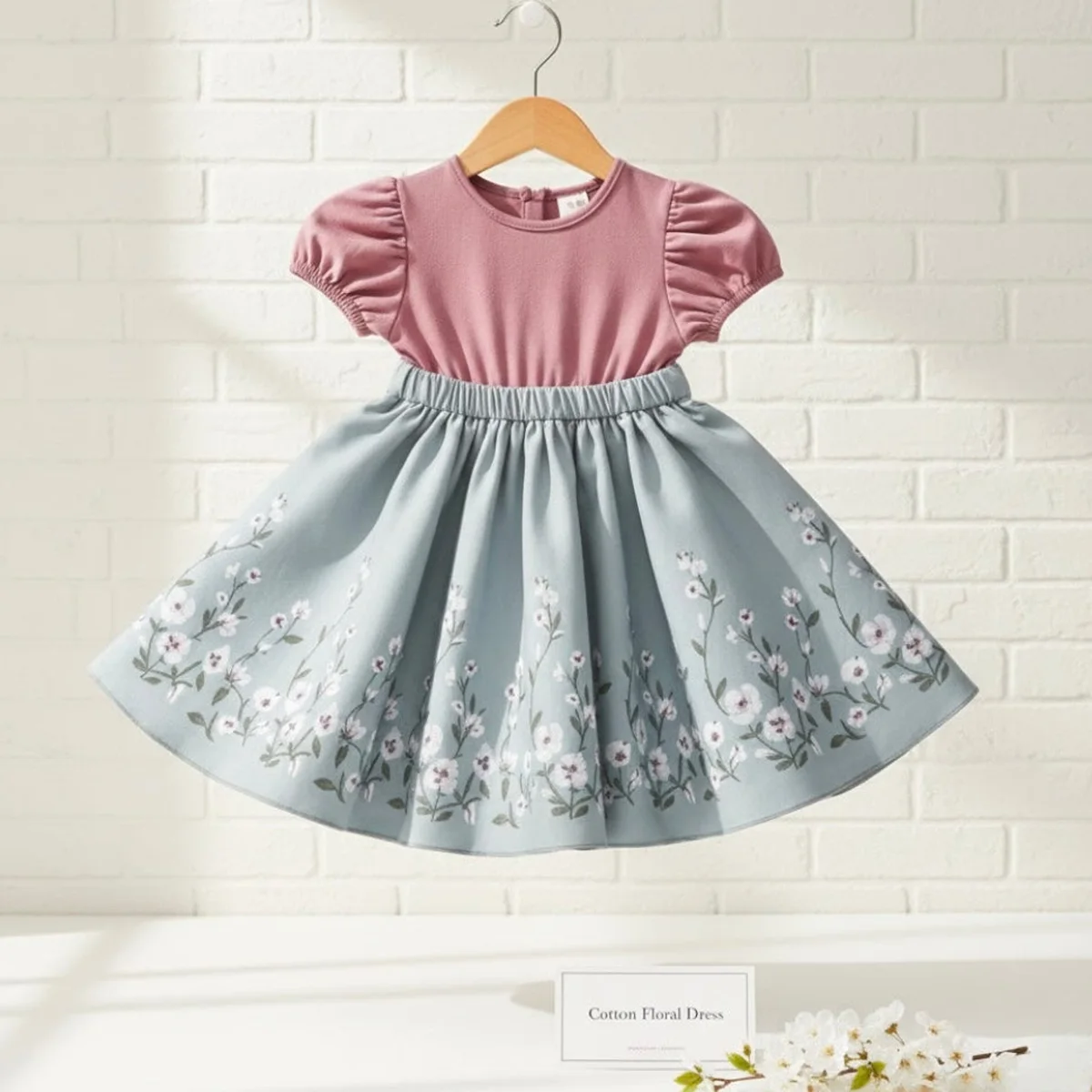
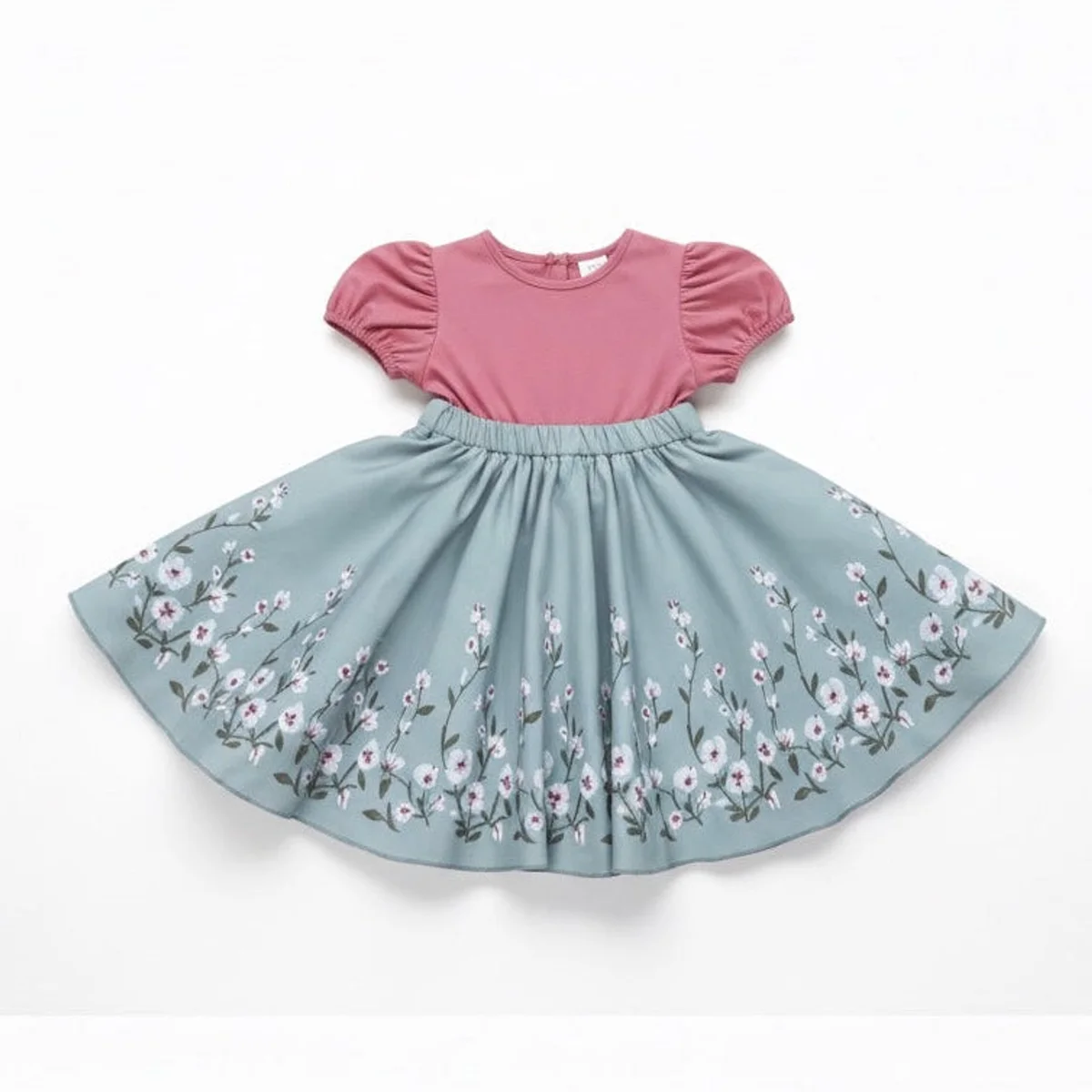
The maker's own age label is shown on every product; we do not add our own.
 Toddlers
 Toddlers

 Toddlers
 Toddlers
Written by Snugtot editors · updated Nov 13, 2026 · milestones after the CDC's "Learn the Signs. Act Early." program; sleep ranges from the AASM; feeding and vaccines from CDC and AAP guidance. General information, not medical advice; your pediatrician knows your child.