
Ages and stages / 12 months
Your 12-month-old
At 12 months, many children are becoming more mobile and more opinionated. Some are cruising along furniture, some are taking first steps, and many are babbling with clear intent, pointing and waving. Temperament starts to show clearly: some children are bold explorers, others are cautious observers who want a parent close by. The big change this month is the birthday itself and the shift toward family food and a cup. Parents often notice first that their child can now get into almost anything, and that the day has a new rhythm of exploring, eating, napping, and wanting to be held. Stranger wariness and separation protest may appear or increase. Every child moves through this year at their own pace, and a child who seems slightly ahead or behind this month is often still within the wide typical range.
Sleep
11–14 hours
in 24 hours, naps included; 2 naps, moving to 1 between 15 and 18 months.
Clothing size
12–18 months
24–27 lb. Toddler shoe size about 4–5 (US).
Car seat
Rear-facing (infant or convertible seat) as long as the seat's rear-facing height and weight limits allow, usually well past age 2; rear-facing is the safest position at this age.
What most children do at 12 months
Most means about three in four, the CDC's framing. Many do these later and are fine; if several are missing, mention it at the next visit.
Moving
Most children this age can pull to stand, cruise along furniture, and some take a few independent steps. Many can sit back down without falling, and some pick up small objects with a thumb and finger. Walking alone is common by 15 months, though some children walk earlier or later.
Talking and understanding
Many children say a word or two with meaning, like mama or dada, and some say one or two more. Most understand simple words like no and their own name, and many use gestures such as waving bye-bye or shaking the head. Some babble in longer strings that sound like sentences.
Social and feelings
Most children this age show clear preferences for familiar people and may be shy or clingy with strangers. Many imitate actions, like clapping or waving, and some play simple games such as peekaboo. Some offer a toy to a parent or hand over an object on request.
Thinking and learning
Many children look for an object they saw hidden and try to fit objects into containers. Most explore by banging, dropping, and throwing things, and some use an object as a tool, like pulling a blanket to reach a toy. Some begin to point to show interest in something.
Sleep and feeding
Sleep at 12 months
11–14 hours in 24, 2 naps, moving to 1 between 15 and 18 months.
Most children this age sleep about 11 to 14 hours in 24, usually with two naps during the day that will move to one somewhere between 15 and 18 months. Night stretches are often longer now, though many children still wake once or twice. Sleep regressions often show up around this time, linked to new walking and standing skills. A consistent bedtime routine, like a bath, book, and song, can help children settle back down when they stir.
Ranges from the American Academy of Sleep Medicine, endorsed by the AAP. Under one: on the back, alone, in a bare crib.
Feeding at 12 months
Family food, 3 meals and 2 snacks, whole milk. From the first birthday: whole cow's milk (16–24 oz a day) in a cup, water, no juice needed. Honey is fine now. Appetite drops as growth slows; a few bites at some meals is normal.
Most children now eat family food at three meals and two snacks, and drink whole milk from a cup, around 16 to 24 ounces a day. Water is all they need to drink besides milk, and juice isn't needed. Appetite often drops as growth slows, so a few bites at some meals is normal. Offer soft, small pieces of food and let your child feed themselves, even if it gets messy.
Loading the CDC data… Add your state to see your own.
Weight and length against the CDC charts for this age: check the percentile → A percentile is a position, not a grade; the curve over visits is what your pediatrician watches.
Vaccines due around now
- MMR (12–15 months)
- Varicella (12–15 months)
- Hepatitis A (first dose, 12–23 months)
- Hib (booster, 12–15 months)
- PCV (booster, 12–15 months)
From the CDC child immunization schedule; your pediatrician's record is the one that counts. Full schedule →
Health at 12 months
Colds, ear infections, and fevers are common at this age, as are teething discomfort and occasional diarrhea or constipation when diet changes. Growth slows a bit this year, so weight gain may look slower than before, which is typical. A 12-month well visit is usually scheduled around this time for checks on growth, development, and immunizations. Keep a record of questions to bring to these visits.
Worth a call to the pediatrician- Your child doesn't seem to respond to their name, or stops using words or gestures they had before.
- Your child doesn't pull to stand, bear weight on their legs, or move objects from one hand to the other by this age.
- Your child has a fever that lasts more than a day, trouble breathing, or is unusually sleepy or hard to wake, or seems unwell in a way that worries you.
A fever of 100.4°F or more in a baby under 3 months is always a same-day call. Poison Control: 1-800-222-1222.
Play and safety
Things to do together
- Take turns rolling a ball back and forth on the floor, naming it as you go. This builds turn-taking and early words.
- Stack soft blocks or cups together and knock them down while your child watches and claps. Let them try to stack too.
- Read a board book and point to pictures, asking where the dog is. Let your child turn the pages and point back to you.
- Hide a toy under a cloth and play peekaboo, then reveal it with a big smile. This helps them learn that hidden things still exist.
Toys that fit this age
Push-along walker toys · Large chunky puzzles with knobs · Stacking rings · Board books, every day
Safety at exactly this age
- Now that your child can pull up and cruise, anchor heavy furniture and TVs to the wall so they can't tip over if climbed on.
- Keep cords for blinds and window coverings out of reach, and move cribs and furniture away from windows.
- Small objects are a choking risk. Use the toilet paper roll test: anything that fits through it is too small to leave within reach.
Recent baby product recalls
Kidsview Infant Bouncer · U.S. CPSC · Nov 19
Baby Rattle and Teether Toy Sets · SHEIN Distribution Corporation, of Los Angeles, California · Nov 12
SuperFast Sterilizer Dryers · Baby Brezza Enterprises LLC, of Newark, New Jersey · Nov 5
ONTHEWEI Baby Bath Seats · Hubei Youhong Trading Co., Ltd., dba ONTHEWEI, of China · Oct 8
Questions parents ask at 12 months
How much sleep does a 12-month-old need?
Most 12-month-olds sleep about 11 to 14 hours in 24, usually including two naps. Many will move to one nap somewhere between 15 and 18 months. Night wakings are common now, and regressions often line up with new physical skills like walking.
Can my 12-month-old have honey and whole milk?
Yes, at this age honey is fine and whole cow's milk is recommended, about 16 to 24 ounces a day in a cup. Keep milk to a reasonable amount so your child still has room for other foods at meals.
How much screen time is okay at this age?
Pediatric guidance generally recommends little to no screen time for children under 18 months, apart from video chatting with family. If you do watch something together, pick high-quality content and watch alongside your child to talk about it.
When do first teeth usually come in, and how do I care for them?
Many children have a few teeth by 12 months, and others get them later, which is still typical. Gently wipe or brush teeth with a small smear of fluoride toothpaste as soon as they appear, and avoid putting your child to bed with a bottle or sippy cup of milk.
Is it normal for my toddler to have tantrums now?
Yes, many toddlers start showing frustration this age because they have strong wants but limited words. Stay calm, name the feeling, offer a simple choice, and keep your child safe. Tantrums usually become more frequent around 18 months to 3 years.
Picks for a 12-month-old
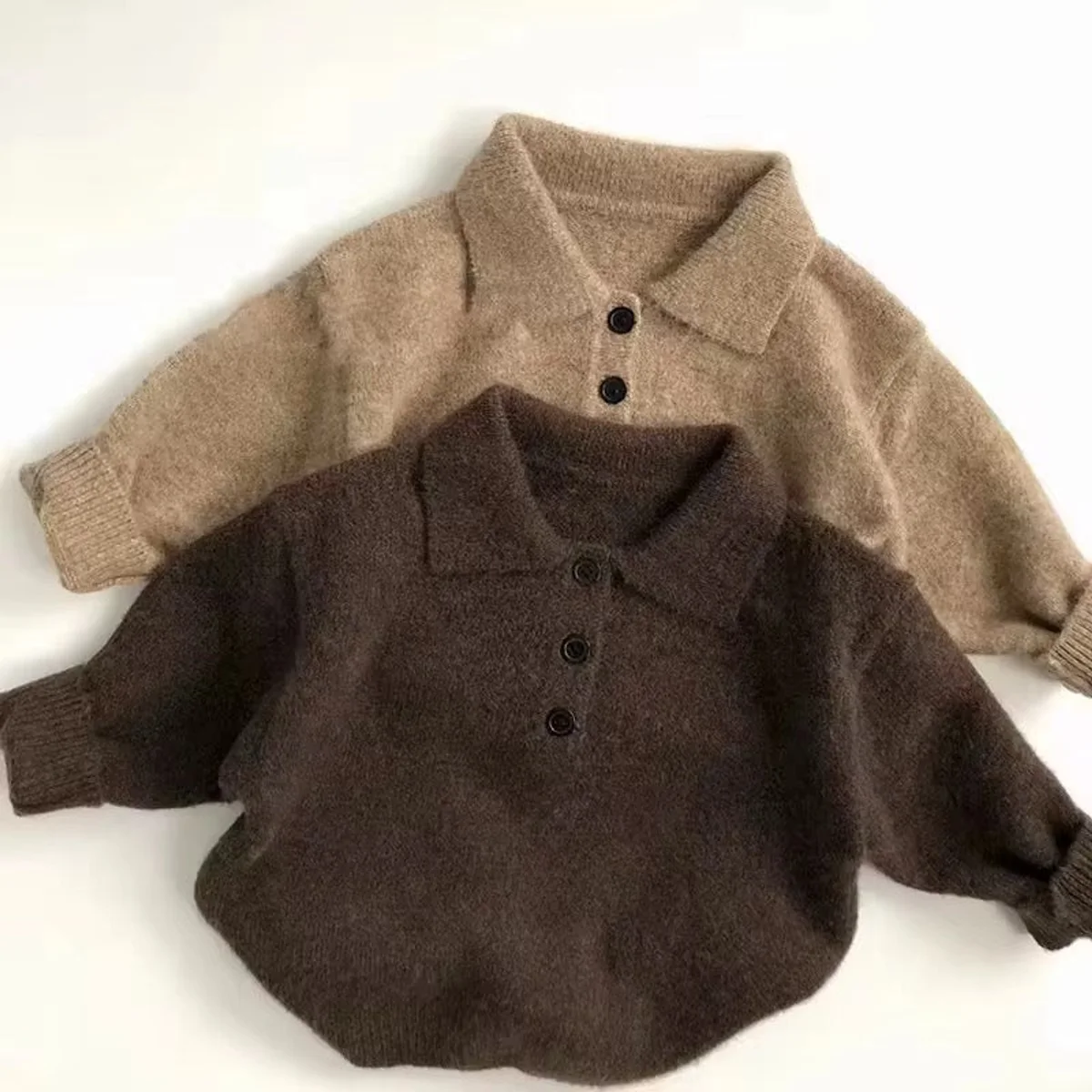
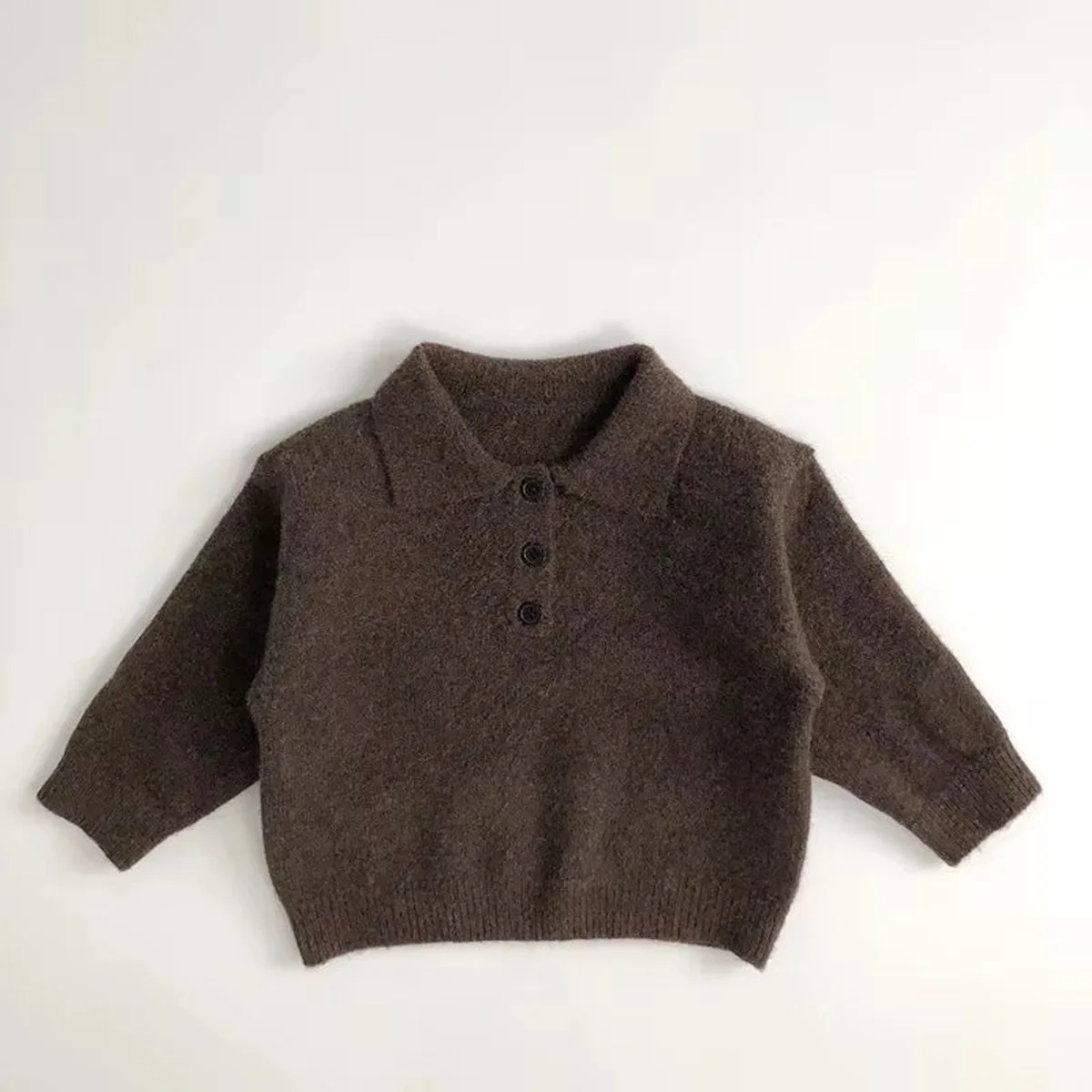
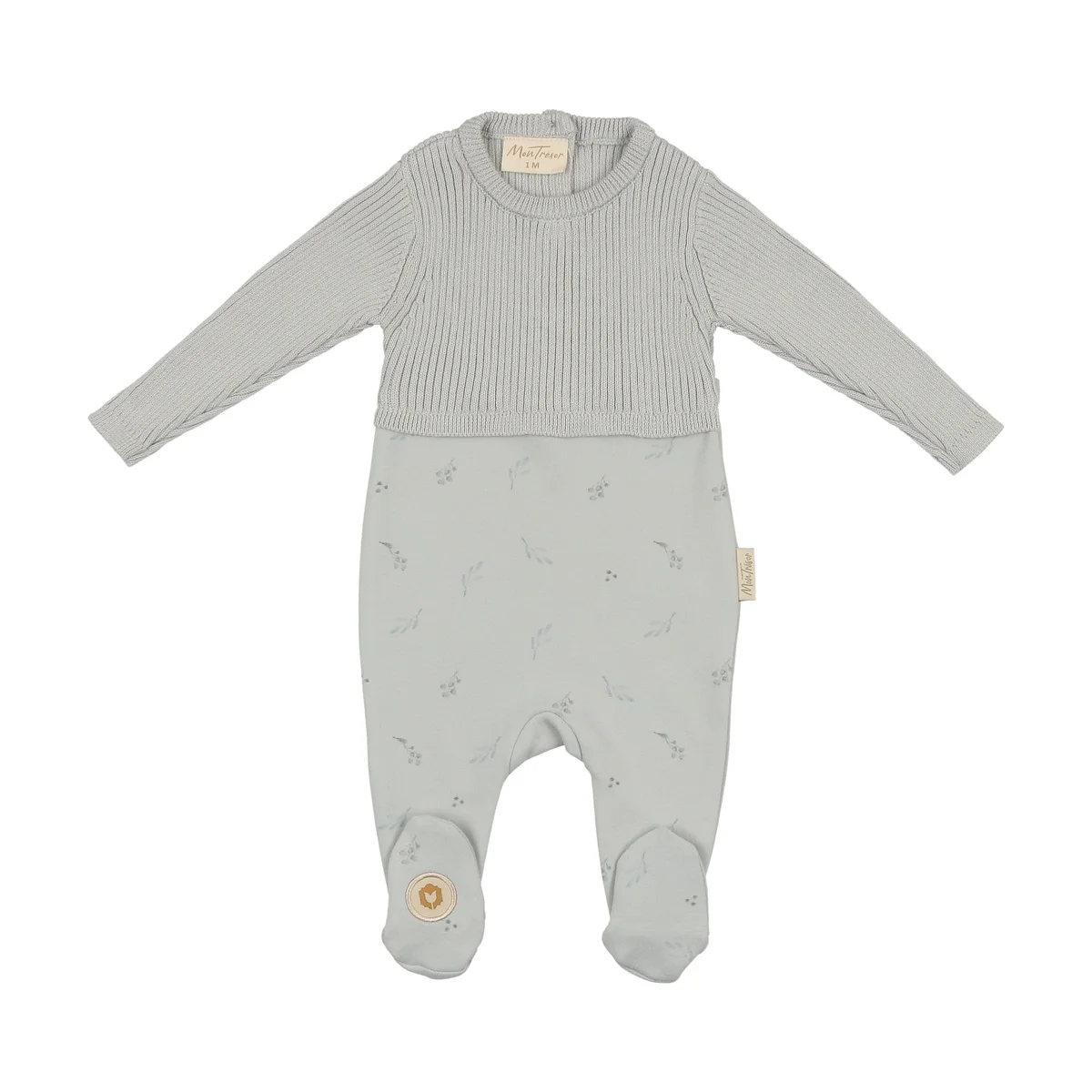
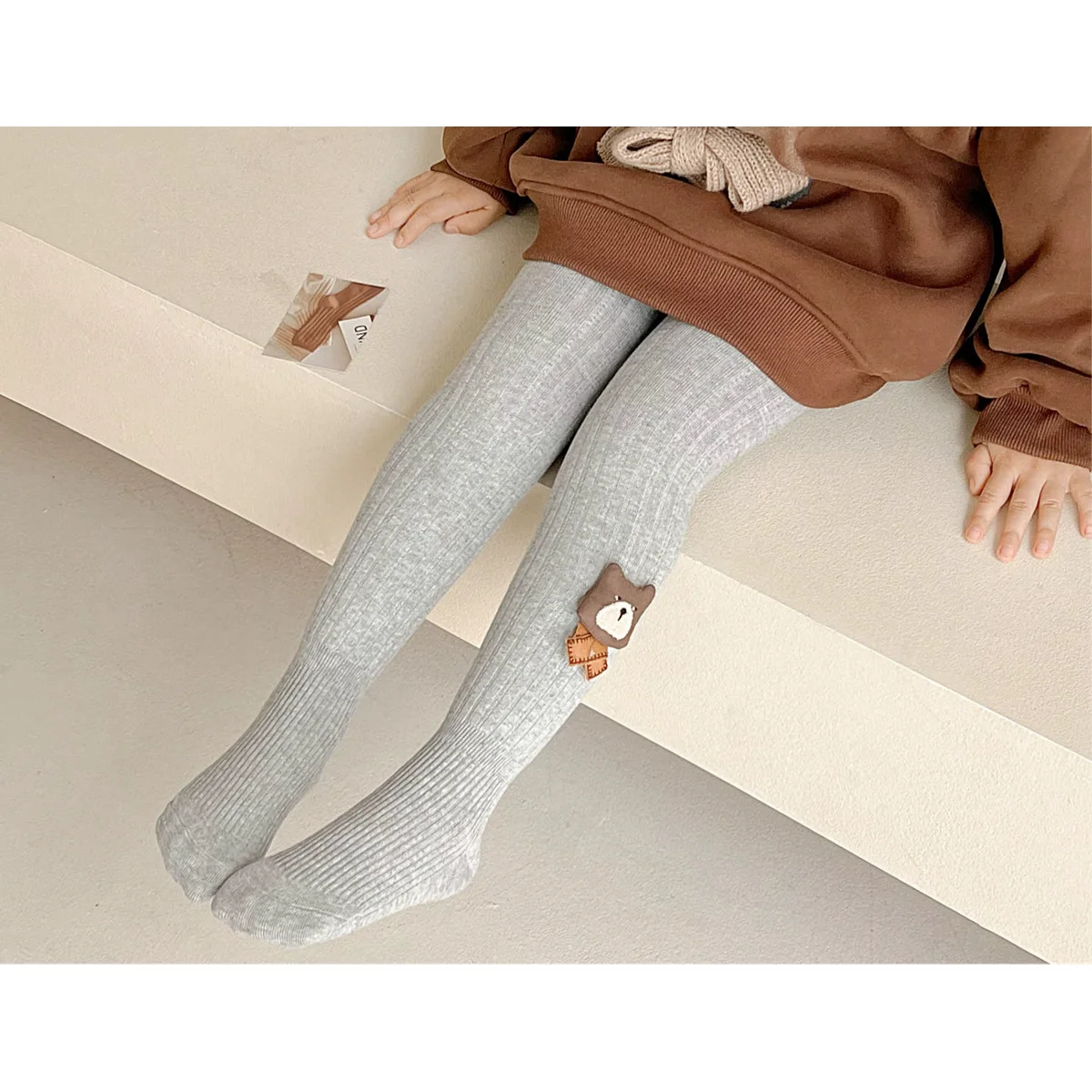
The maker's own age label is shown on every product; we do not add our own.
 Toddlers
 Toddlers

 Toddlers
 Toddlers
Written by Snugtot editors · updated Nov 13, 2026 · milestones after the CDC's "Learn the Signs. Act Early." program; sleep ranges from the AASM; feeding and vaccines from CDC and AAP guidance. General information, not medical advice; your pediatrician knows your child.