
Ages and stages / 13 months
Your 13-month-old
At 13 months, many toddlers are becoming confident movers. Some are cruising along furniture, some are taking first steps, and many are beginning to understand far more words than they can say. Temperament shows more clearly now: some children are bold explorers, others are cautious observers who need a moment before trying something new. The big change this month is often the shift from baby to toddler, with more independence, strong opinions, and a growing wish to do things themselves. Parents usually notice first that their child is quick, curious, and into everything. Appetite may dip as growth slows after the first year, and many toddlers become pickier. Every child moves through these changes at their own pace, and what you see at 13 months may look different from a neighbor's child, which is normal.
Sleep
11–14 hours
in 24 hours, naps included; 2 naps, moving to 1 between 15 and 18 months.
Clothing size
12–18 months
24–27 lb. Toddler shoe size about 4–5 (US).
Car seat
Rear-facing (infant or convertible seat) as long as the seat's rear-facing height and weight limits allow, usually well past age 2; rear-facing is the safest position at this age.
What most children do at 13 months
Most means about three in four, the CDC's framing. Many do these later and are fine; if several are missing, mention it at the next visit.
Moving
Many children this age walk while holding on, some take a few steps alone, and some are already walking well. Many can squat to pick up a toy, climb onto low furniture, and try to stack two blocks. Some are starting to bend down and stand back up without help. The range is wide.
Talking and understanding
Many children say two to three words besides mama or dada, and some say more. Many understand simple requests like 'give me the ball' and can point to familiar objects or people. Some use gestures such as waving bye-bye or shaking their head no. Some are still mostly babbling with a few recognizable words.
Social and feelings
Many children this age copy adults, such as sweeping or saying bye, and they often show affection by hugging or giving a toy. Some look to a parent for reassurance in new places and play near other children without yet playing with them. Many enjoy simple games like peekaboo. Some show clear preferences for certain people.
Thinking and learning
Many children look for an object after watching it hidden, and some try to fit shapes into holes or use a spoon or cup on their own. Many explore by dropping, shaking, and banging things to see what happens. Some begin to figure out simple cause and effect, like pushing a button to make a sound. Attention spans are growing, though still short.
Sleep and feeding
Sleep at 13 months
11–14 hours in 24, 2 naps, moving to 1 between 15 and 18 months.
Most children this age sleep about 11 to 14 hours in 24, usually a long night stretch plus two naps. Many begin dropping to one nap between 15 and 18 months, and some already show signs of being ready. Sleep regressions often appear around this time because of new skills like walking and standing, which can make nights restless for a while. A consistent bedtime routine, such as a bath, book, and song, can help a toddler settle when sleep gets rocky.
Ranges from the American Academy of Sleep Medicine, endorsed by the AAP. Under one: on the back, alone, in a bare crib.
Feeding at 13 months
Family food, 3 meals and 2 snacks, whole milk. From the first birthday: whole cow's milk (16–24 oz a day) in a cup, water, no juice needed. Honey is fine now. Appetite drops as growth slows; a few bites at some meals is normal.
Most toddlers this age eat family foods, usually three meals and two snacks, with whole milk in a cup. Appetite often drops as growth slows, so a few bites at some meals is normal. Offer a small amount of each food on the plate and let your child choose how much to eat. Keeping mealtimes calm and predictable helps more than trying to get a certain amount into them.
Loading the CDC data… Add your state to see your own.
Weight and length against the CDC charts for this age: check the percentile → A percentile is a position, not a grade; the curve over visits is what your pediatrician watches.
Vaccines at this age
Nothing new is scheduled this month; the next doses come at the well visits listed on the CDC schedule. A yearly flu shot from 6 months, every fall.
From the CDC child immunization schedule; your pediatrician's record is the one that counts. Full schedule →
Health at 13 months
Colds are common at this age, especially as toddlers start spending time with other children. Teething may continue, with more molars and sometimes fussiness or drooling. Growth tends to slow compared with the first year, which can lower appetite. Well-child visits are usually scheduled around this age, and they are a good time to review growth, development, and vaccines with your pediatrician.
Worth a call to the pediatrician- Your child has lost skills they had before, such as babbling, waving, or pointing, at any age.
- Your child is not walking or pulling to stand by around 18 months, or seems to favor one side of the body.
- Your child has a fever with a stiff neck, unusual sleepiness, or trouble breathing, or seems unusually unwell.
A fever of 100.4°F or more in a baby under 3 months is always a same-day call. Poison Control: 1-800-222-1222.
Play and safety
Things to do together
- Roll a ball back and forth on the floor and name each color as you pass it.
- Build a tall tower with soft blocks, then knock it down together and cheer.
- Read the same picture book again and let your child point to familiar animals.
- Play a simple game of peekaboo behind a blanket, then take turns hiding.
Toys that fit this age
Push-along walker toys · Large chunky puzzles with knobs · Stacking rings · Board books, every day
Safety at exactly this age
- Walking and climbing can mean sudden falls, so anchor heavy furniture and TV stands to the wall.
- Now that your child can reach countertops and tables, keep hot drinks, knives, and cords out of reach.
- Small objects like coins, buttons, and small batteries can fit in little mouths, so check the floor often.
Recent baby product recalls
Kidsview Infant Bouncer · U.S. CPSC · Nov 19
Baby Rattle and Teether Toy Sets · SHEIN Distribution Corporation, of Los Angeles, California · Nov 12
SuperFast Sterilizer Dryers · Baby Brezza Enterprises LLC, of Newark, New Jersey · Nov 5
ONTHEWEI Baby Bath Seats · Hubei Youhong Trading Co., Ltd., dba ONTHEWEI, of China · Oct 8
Questions parents ask at 13 months
Is it normal for my 13-month-old to eat very little?
Yes, many toddlers eat less at this age because growth slows after the first year. Offer small portions of family foods at regular meals and snacks, and let your child decide how much to eat. If you are worried about weight or eating, bring it up at a well visit.
How much milk should my 13-month-old drink?
Guidance for this age is whole cow's milk, often about 16 to 24 ounces a day, given in a cup. Too much milk can crowd out appetite for other foods, so keep an eye on the total. Water is a good drink between meals, and juice is not needed.
Why has my toddler's sleep suddenly gotten worse?
Sleep disruption around this age is common, often linked to new skills like standing and walking that children want to practice at night. A steady routine and calm bedtime can help. Most children settle again within a few weeks, but tell your pediatrician if it lasts or worries you.
How much screen time is okay at 13 months?
The AAP advises avoiding screen media other than video chatting for children under 18 months. Real-world play, talking, reading, and singing do more for language and learning at this age. If you do watch something together, keep it short and interactive.
When do toddlers start potty training?
Many children show readiness signs around 18 to 24 months or later, such as staying dry for longer stretches and showing interest in the toilet. At 13 months, there is no need to start. Focus on naming body parts and letting your child watch family bathroom routines.
Picks for a 13-month-old
The maker's own age label is shown on every product; we do not add our own.
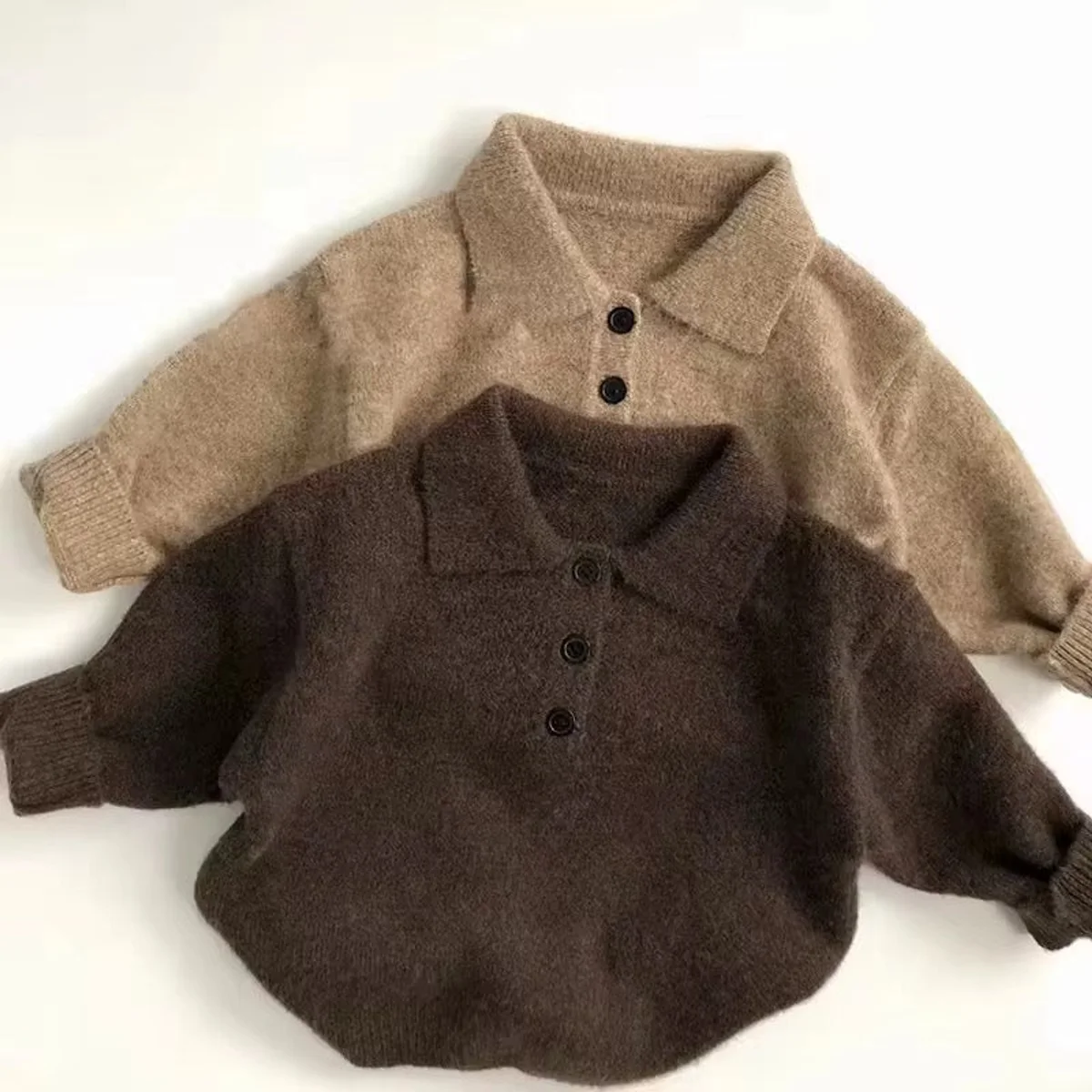 Toddlers
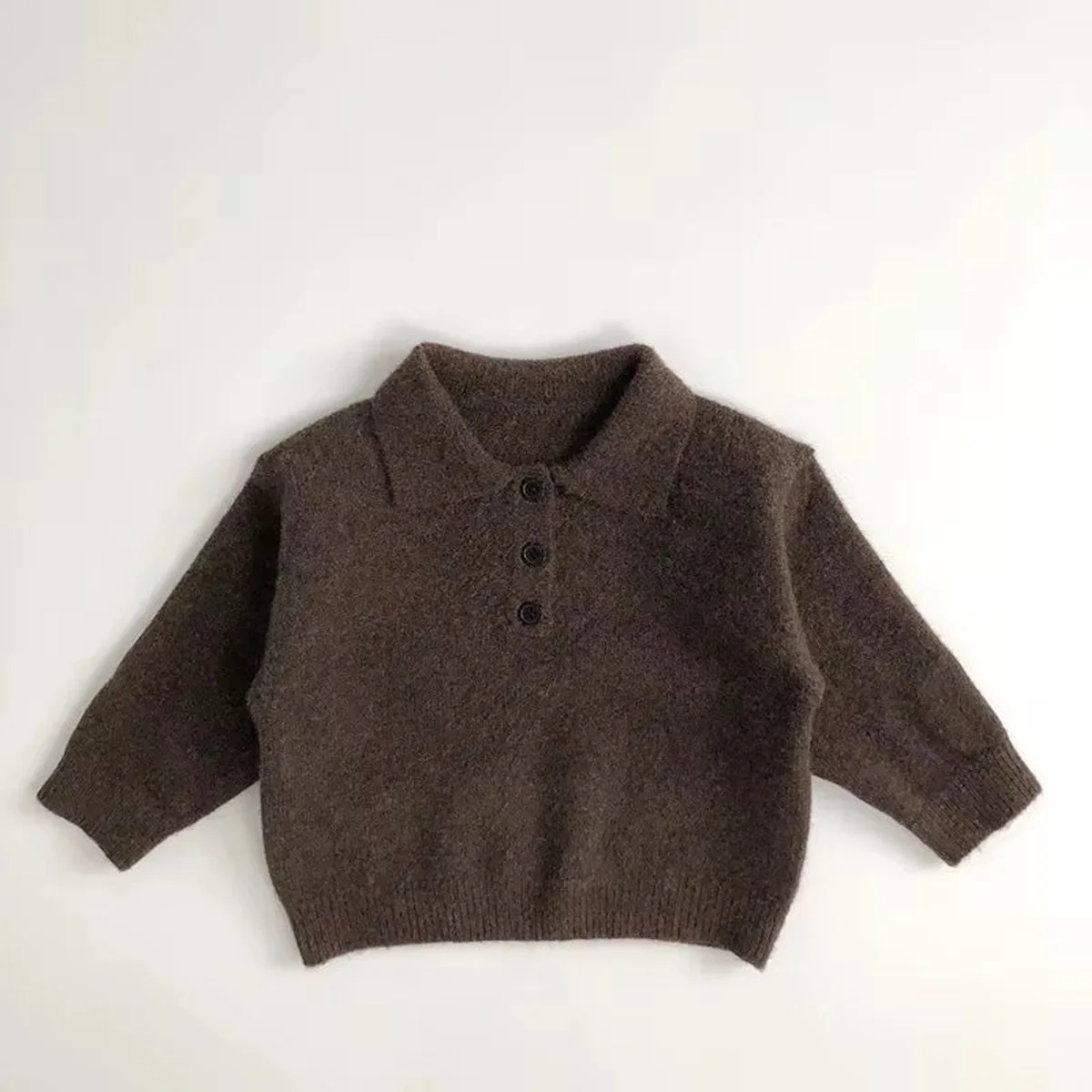
 Toddlers

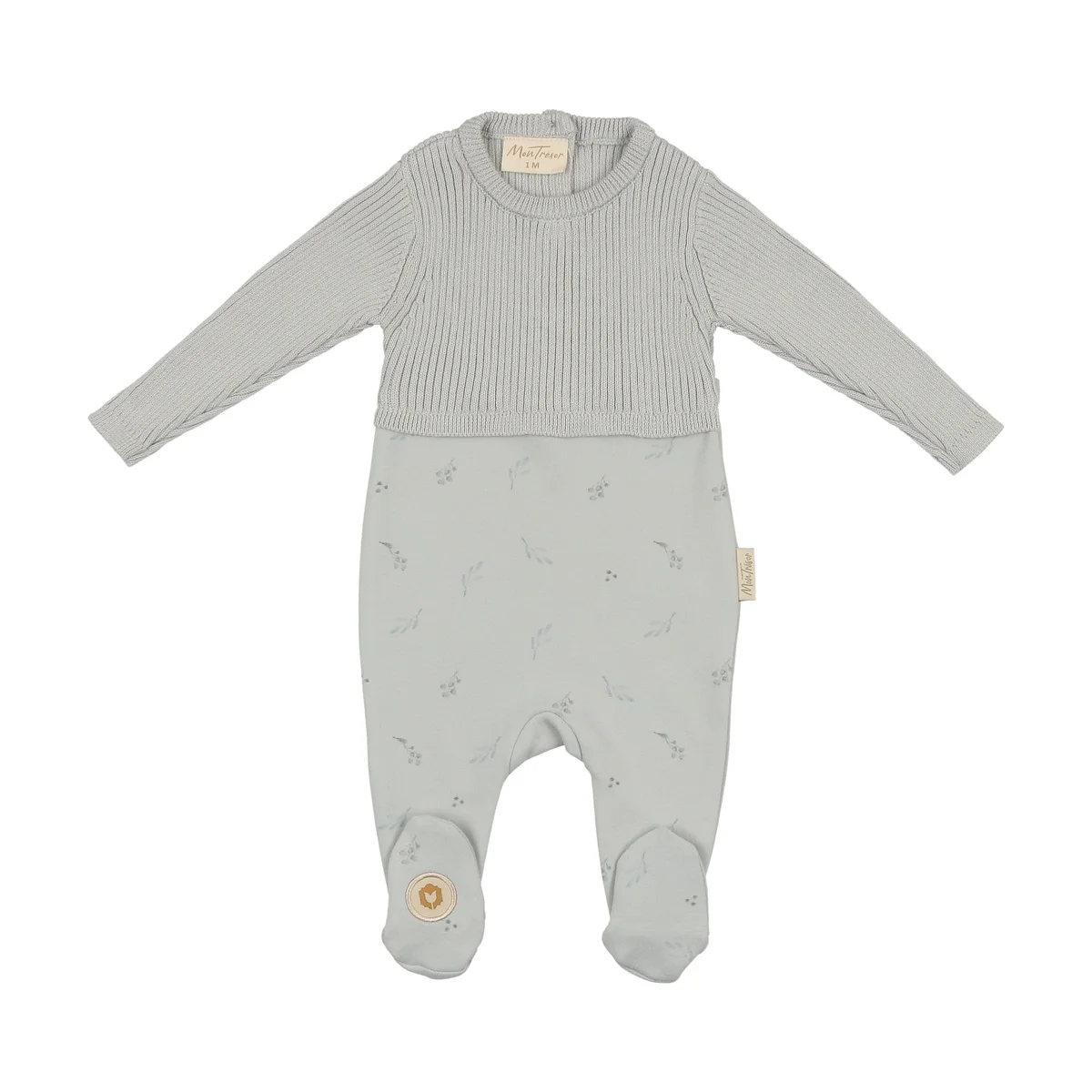 Toddlers
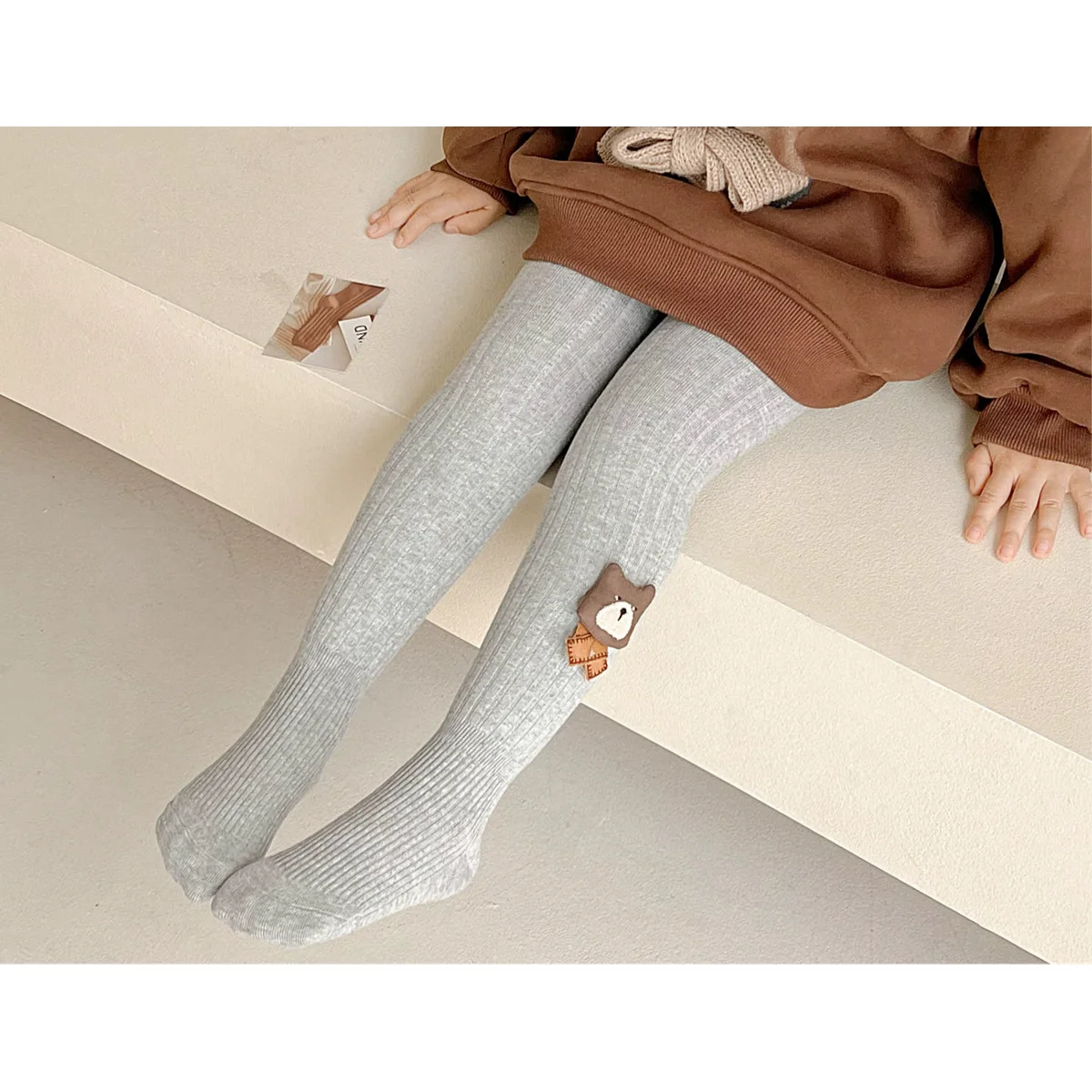 Toddlers
Written by Snugtot editors · updated Nov 13, 2026 · milestones after the CDC's "Learn the Signs. Act Early." program; sleep ranges from the AASM; feeding and vaccines from CDC and AAP guidance. General information, not medical advice; your pediatrician knows your child.