
Ages and stages / 15 months
Your 15-month-old
At 15 months, many toddlers are on the move in a way that changes the whole house. Most are walking, some are running or climbing, and nearly all want to do things themselves. Temperament shows more clearly now: some children are bold and eager, others are cautious and watch first. Frustration can arrive quickly because the child understands far more words than they can say, so a lot of days include pointing, grunting, and a little protest. The big change this month is independence. Parents often notice the child trying to feed themselves, reach for a cup, carry something, or push away help. Bedtime routines, meals, and car seats can all become negotiations. Most families find that predictable days and short, clear choices make things calmer.
Sleep
11–14 hours
in 24 hours, naps included; 2 naps, moving to 1 between 15 and 18 months.
Clothing size
12–18 months
24–27 lb. Toddler shoe size about 4–5 (US).
Car seat
Rear-facing (infant or convertible seat) as long as the seat's rear-facing height and weight limits allow, usually well past age 2; rear-facing is the safest position at this age.
What most children do at 15 months
Most means about three in four, the CDC's framing. Many do these later and are fine; if several are missing, mention it at the next visit.
Moving
Most children this age walk well, some with a wide stance, and many start to climb onto furniture or stairs with help. Many can stoop to pick something up and then stand again, and some can push a toy along while walking. Some children are not walking yet, and many of those still walk within the next few months. Every child's timing differs.
Talking and understanding
Most children this age say a few words with meaning, often including names for people or favorite things. Many understand far more than they say and can follow simple requests like bring me the ball. Some use gestures such as pointing or waving alongside words. Some children are still using mostly sounds and gestures, and that is common too.
Social and feelings
Most children this age show clear preferences for certain people and may be shy with strangers. Many imitate household actions like sweeping or talking on a phone, and some enjoy playing near other children without really playing together. Frequent tantrums are typical as they test limits and feel strong emotions.
Thinking and learning
Most children this age explore by poking, dropping, and testing what happens. Many find hidden objects when they see them go under a cloth, and some try simple shape sorters or stacking two or three blocks. They often copy scribbling with a crayon and begin to understand that objects keep existing when out of sight.
Sleep and feeding
Sleep at 15 months
11–14 hours in 24, 2 naps, moving to 1 between 15 and 18 months.
Most toddlers this age sleep about 11 to 14 hours in 24, usually with two naps moving toward one between 15 and 18 months. Night wakings and early mornings are common, and a short-lived sleep regression can appear around now as skills develop. A consistent bedtime routine of a bath, book, and a few quiet words can help. Keep wake times and naps as regular as you can.
Ranges from the American Academy of Sleep Medicine, endorsed by the AAP. Under one: on the back, alone, in a bare crib.
Feeding at 15 months
Family food, 3 meals and 2 snacks, whole milk. Whole milk 16–24 oz a day, the rest from food. Toddlers eat in waves: one good meal a day is common. Keep offering; no short-order cooking. Cut round foods lengthwise.
Most toddlers eat family food at three meals and two snacks, and whole milk is usually 16 to 24 ounces a day, with the rest of nutrition coming from food. Eating happens in waves, so one good meal a day is typical. Keep offering a variety of foods without making special meals. Cut round foods such as grapes and hot dogs lengthwise to reduce choking risk.
Loading the CDC data… Add your state to see your own.
Weight and length against the CDC charts for this age: check the percentile → A percentile is a position, not a grade; the curve over visits is what your pediatrician watches.
Vaccines due around now
- DTaP (15–18 months)
- MMR, Varicella, Hib and PCV if not given at 12 months
From the CDC child immunization schedule; your pediatrician's record is the one that counts. Full schedule →
Health at 15 months
Colds are very common at this age, especially when a toddler starts child care. Teething may continue, with more molars or canines appearing and drooling or fussiness at times. Growth spurts can make appetite change from day to day. Well visits with the pediatrician usually continue around this age to track growth, development, and vaccines.
Worth a call to the pediatrician- If your child is not walking by about 18 months, or seems to lose skills they once had, talk to your pediatrician soon.
- If your child is not saying any words by about 16 months, or is not pointing or using gestures, mention it at the next visit or sooner.
- If your child stops responding to their name, loses interest in people or play, or seems unusually withdrawn, call your pediatrician to discuss it.
A fever of 100.4°F or more in a baby under 3 months is always a same-day call. Poison Control: 1-800-222-1222.
Play and safety
Things to do together
- Stack soft blocks or cups together, then knock them down and cheer together for the crash.
- Hide a small toy under a cloth or in a box and ask where it went, letting your child find it.
- Walk around the house or yard together and name what you see, pointing and repeating the words.
- Sing a simple song with hand motions, such as itsy bitsy spider, and pause so your child can fill in the next motion.
Toys that fit this age
Push-along walker toys · Large chunky puzzles with knobs · Stacking rings · Board books, every day
Safety at exactly this age
- Walking and climbing mean furniture can tip over, so anchor heavy dressers and bookcases to the wall.
- Small objects like coins, button batteries, and small toy parts can be grabbed and put in the mouth, so keep them off floors and tables.
- Cords from blinds, curtains, and electronics can be reached, so move them out of reach and secure them.
Recent baby product recalls
Kidsview Infant Bouncer · U.S. CPSC · Nov 19
Baby Rattle and Teether Toy Sets · SHEIN Distribution Corporation, of Los Angeles, California · Nov 12
SuperFast Sterilizer Dryers · Baby Brezza Enterprises LLC, of Newark, New Jersey · Nov 5
ONTHEWEI Baby Bath Seats · Hubei Youhong Trading Co., Ltd., dba ONTHEWEI, of China · Oct 8
Questions parents ask at 15 months
Is my 15-month-old supposed to be talking yet?
Many children this age say a few words, but many also understand much more than they say. Some are still using gestures and sounds, which is common. Reading, singing, and naming things daily helps. If your child is not using any words or gestures by about 16 months, mention it to your pediatrician.
How do I handle a toddler who only eats one good meal a day?
This is typical. Keep offering family food at regular meals and snacks, and let your child decide how much to eat. Avoid cooking separate meals to please them, and keep mealtimes calm and short. Appetite often evens out across a week.
When should my toddler move from two naps to one?
Most children move to one nap somewhere between 15 and 18 months. You may notice them resisting the second nap or having trouble settling for it. Try shifting the single nap to early afternoon and watch for signs of tiredness in the evening.
Are tantrums normal at 15 months?
Yes, many toddlers have tantrums at this age because they feel strong emotions but cannot yet explain them. Stay calm, keep your child safe, and name the feeling if it helps. Routines and simple choices can prevent some outbursts.
When should I start thinking about potty training?
Most children are not ready for potty training at 15 months. Readiness usually shows up later, often around 2 years or after, when children can follow simple directions and show interest. For now, you can name diaper changes and let your child see the toilet.
Picks for a 15-month-old
The maker's own age label is shown on every product; we do not add our own.
 Toddlers
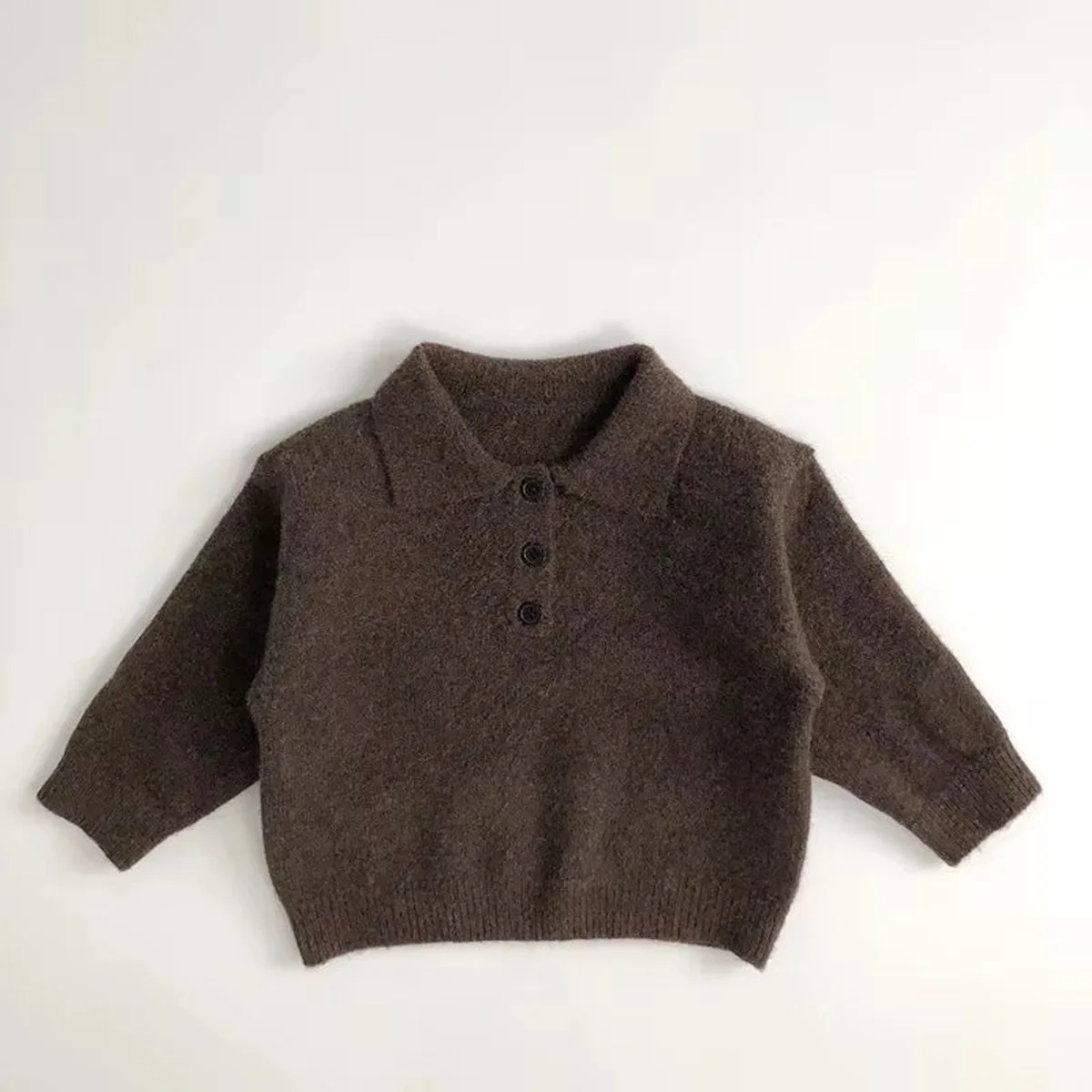
 Toddlers

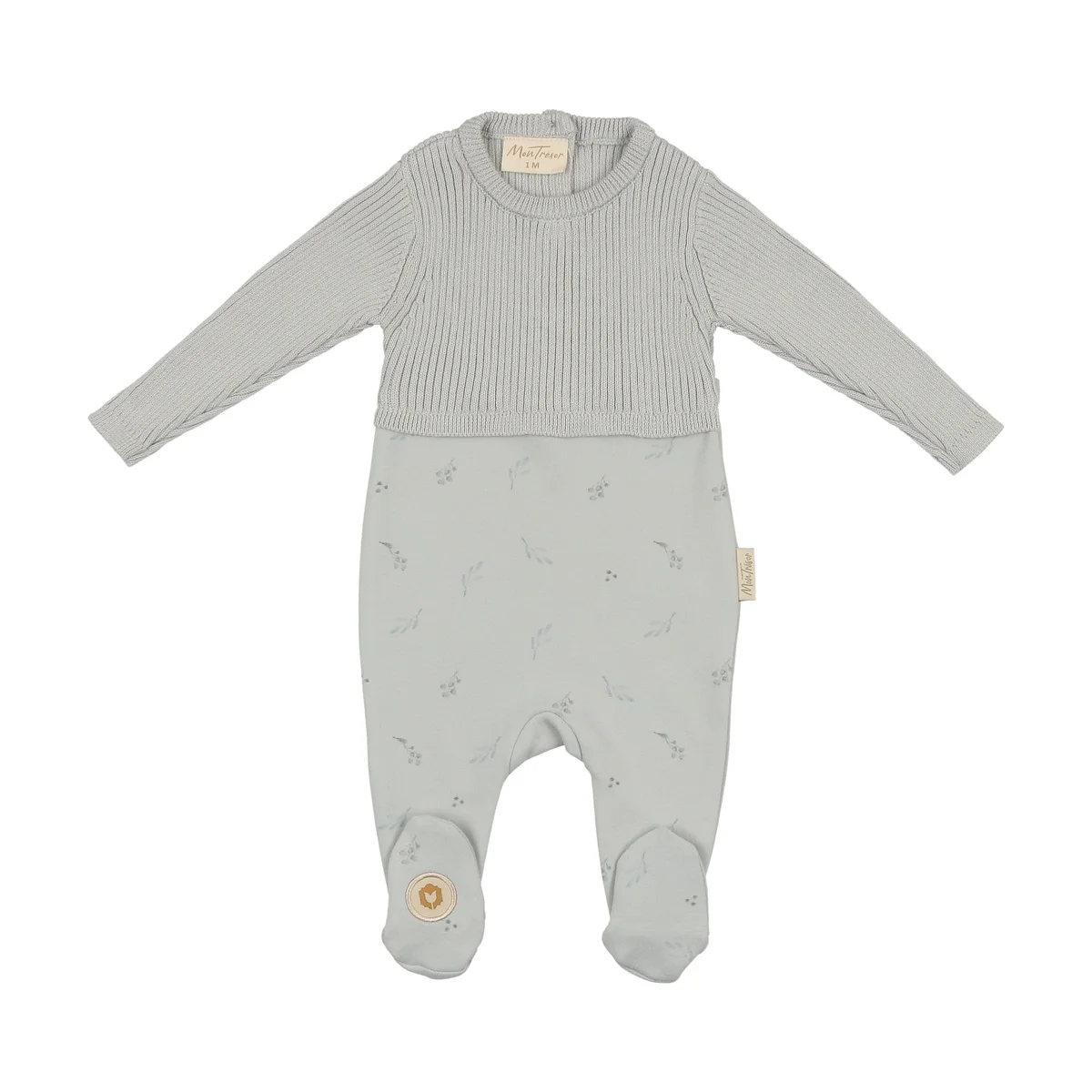 Toddlers
 Toddlers

Written by Snugtot editors · updated Nov 13, 2026 · milestones after the CDC's "Learn the Signs. Act Early." program; sleep ranges from the AASM; feeding and vaccines from CDC and AAP guidance. General information, not medical advice; your pediatrician knows your child.