
Ages and stages / 16 months
Your 16-month-old
At 16 months, many toddlers are busy, determined, and very physical. Walking is usually well established, and many children are now running, climbing onto low furniture, or carrying objects from room to room. Their temperament starts to show clearly: some are bold explorers, others are cautious observers, and many swing between the two in a single afternoon. The big change this month is a growing sense of independence paired with frustration when words or abilities fall short. Parents often notice the first real attempts at pretend play, a favorite word or two, and a strong interest in copying everyday tasks like sweeping, stirring, or putting things away. Tantrums may begin, usually when a child wants something they cannot yet do or have. Daily life is full of exploring, repeating favorite routines, and testing limits in small, curious ways.
Sleep
11–14 hours
in 24 hours, naps included; 2 naps, moving to 1 between 15 and 18 months.
Clothing size
12–18 months
24–27 lb. Toddler shoe size about 4–5 (US).
Car seat
Rear-facing (infant or convertible seat) as long as the seat's rear-facing height and weight limits allow, usually well past age 2; rear-facing is the safest position at this age.
What most children do at 16 months
Most means about three in four, the CDC's framing. Many do these later and are fine; if several are missing, mention it at the next visit.
Moving
Most children this age walk well, many can climb stairs with help or hold a rail, and some can squat to pick up a toy and stand back up. Many try to kick a ball forward, and some can scribble with a crayon. Ranges are wide, and some children walk a little later and catch up quickly.
Talking and understanding
Many children say two to four words besides mama and dada, and some say more. Most understand simple requests like come here or give me the ball, and many point to body parts or pictures when asked. Some children use gestures and sounds more than words, which is common.
Social and feelings
Most children this age show affection, may hug a favorite person, and imitate adults in play. Many show clear preferences, may protest when frustrated, and like to be near familiar caregivers. Some children are shy with strangers and warm up slowly, and this is a normal part of development.
Thinking and learning
Most children this age can find a hidden object, stack two or three blocks, and use a simple tool like a spoon with some success. Many start to do pretend play, such as feeding a doll or talking on a toy phone. Some children enjoy simple shape sorters and imitating what they see around them.
Sleep and feeding
Sleep at 16 months
11–14 hours in 24, 2 naps, moving to 1 between 15 and 18 months.
Most toddlers this age sleep about 11 to 14 hours in 24, usually with two naps moving toward one nap between 15 and 18 months. Night sleep may include a waking or two, and separation or teething can bring temporary setbacks. Many children push back against naps, which is common. A steady wind-down routine with the same order each night, like bath, book, and a goodnight, often helps the whole family settle.
Ranges from the American Academy of Sleep Medicine, endorsed by the AAP. Under one: on the back, alone, in a bare crib.
Feeding at 16 months
Family food, 3 meals and 2 snacks, whole milk. Whole milk 16–24 oz a day, the rest from food. Toddlers eat in waves: one good meal a day is common. Keep offering; no short-order cooking. Cut round foods lengthwise.
Most toddlers eat family foods, usually three meals and two snacks, with whole milk at about 16 to 24 ounces a day and the rest of their nutrition coming from food. Appetite often comes in waves, so one good meal a day is common. Keep offering a variety of foods without short-order cooking. Cut round foods like grapes or cherry tomatoes lengthwise to reduce choking risk.
Loading the CDC data… Add your state to see your own.
Weight and length against the CDC charts for this age: check the percentile → A percentile is a position, not a grade; the curve over visits is what your pediatrician watches.
Vaccines at this age
Nothing new is scheduled this month; the next doses come at the well visits listed on the CDC schedule. A yearly flu shot from 6 months, every fall.
From the CDC child immunization schedule; your pediatrician's record is the one that counts. Full schedule →
Health at 16 months
Colds are very common at this age, and many toddlers catch several a year as they meet other children in daycare or playgroups. Teething can continue, bringing fussiness and drooling, and some children have a low fever with new teeth. Growth slows compared with the first year, so appetite may drop. Well-child visits continue at regular intervals, a good time to talk through growth, development, and any questions you have.
Worth a call to the pediatrician- Your child has lost skills they once had, such as walking, babbling, or using words they previously said.
- Your child does not walk by 18 months, does not use gestures like pointing or waving, or does not say any words by this age.
- Your child has a fever that lasts several days, trouble breathing, or seems unusually sleepy, hard to wake, or ill in a way that worries you.
A fever of 100.4°F or more in a baby under 3 months is always a same-day call. Poison Control: 1-800-222-1222.
Play and safety
Things to do together
- Stack soft blocks into a tower together, then let your child knock it down and cheer. Repeat as many times as they enjoy it.
- Name body parts during bath or dressing, then pause so your child can point to their nose, belly, or toes.
- Give your toddler a damp cloth and let them wipe the table or a low window, narrating what you are doing together.
- Read a short picture book and pause on the same page to let your child name the animals or objects they recognize.
Toys that fit this age
Push-along walker toys · Large chunky puzzles with knobs · Stacking rings · Board books, every day
Safety at exactly this age
- Anchor heavy furniture and TVs to the wall, since toddlers this age climb onto shelves, drawers, and low chairs.
- Keep small objects, button batteries, and loose coins out of reach, because many children this age put things in their mouths.
- Use gates at the top and bottom of stairs now that many toddlers walk, climb, and try to take steps on their own.
Recent baby product recalls
Kidsview Infant Bouncer · U.S. CPSC · Nov 19
Baby Rattle and Teether Toy Sets · SHEIN Distribution Corporation, of Los Angeles, California · Nov 12
SuperFast Sterilizer Dryers · Baby Brezza Enterprises LLC, of Newark, New Jersey · Nov 5
ONTHEWEI Baby Bath Seats · Hubei Youhong Trading Co., Ltd., dba ONTHEWEI, of China · Oct 8
Questions parents ask at 16 months
How much sleep does a 16-month-old need?
Most toddlers this age need about 11 to 14 hours of sleep in 24, including naps. Many still take two naps, and the switch to one nap often happens between 15 and 18 months. Every child is different, so watch for signs of tiredness like rubbing eyes, fussiness, or clinginess.
Why does my toddler eat so little some days?
Appetite often comes in waves, and one solid meal a day is common at this age. Growth slows after the first year, so toddlers need less food. Keep offering a variety of family foods without pressure, and let your child decide how much to eat.
Is screen time okay for a 16-month-old?
The American Academy of Pediatrics suggests avoiding screen media other than video chatting for children under 18 months. If you use video calls with family, keep them short and interactive. Reading, talking, and playing together are more valuable at this age.
How do I handle tantrums at this age?
Tantrums are common because your toddler wants things they cannot yet express or do. Stay calm, keep your words short, and offer comfort. Redirect to another activity when possible, and remember that frustration is a normal part of learning.
When should I start potty training?
Many children show readiness signs between 18 and 24 months, such as staying dry for longer stretches or showing interest in the toilet. At 16 months, it is usually too early to start. Focus on building vocabulary and routines for now, and wait for your child to show interest.
Picks for a 16-month-old
The maker's own age label is shown on every product; we do not add our own.
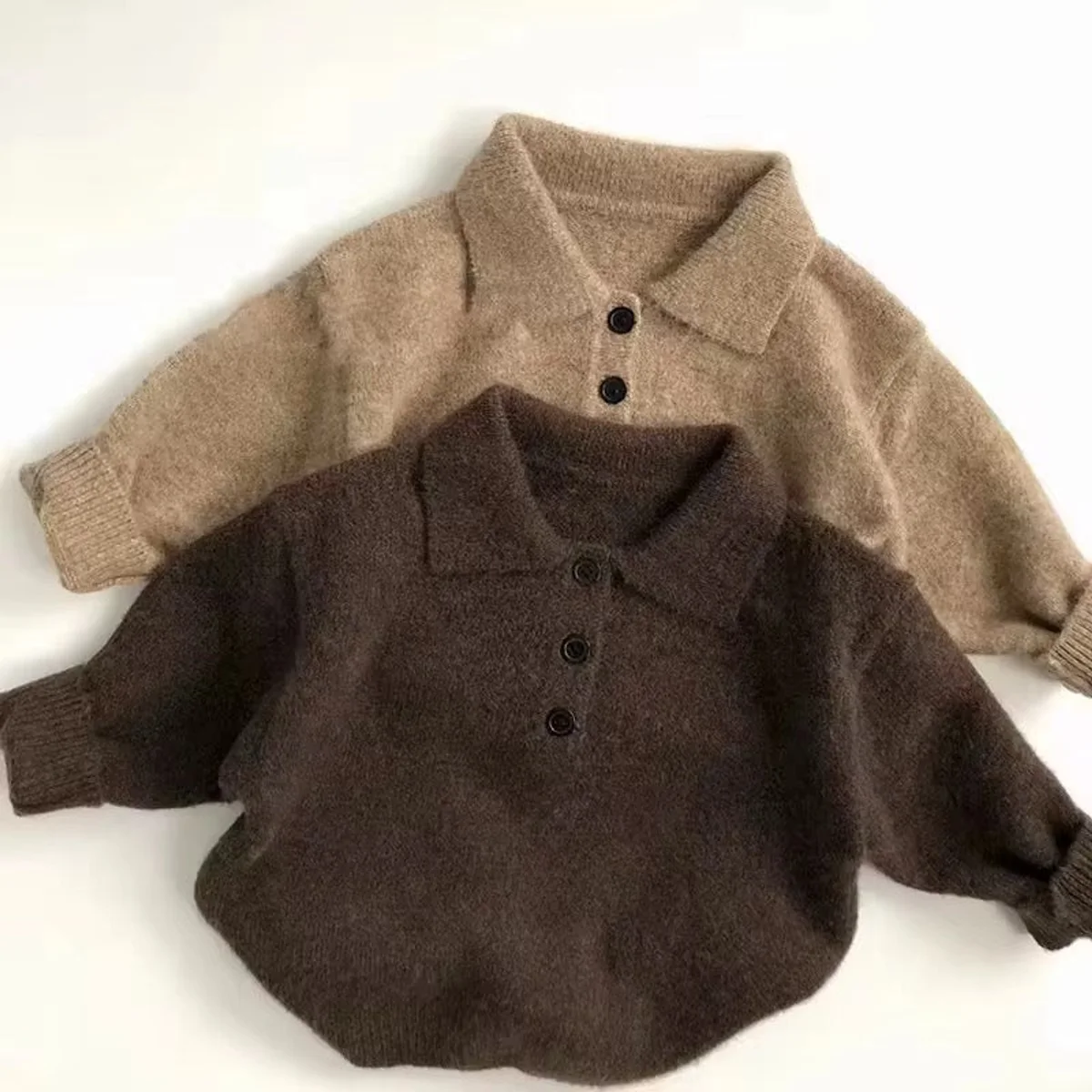 Toddlers
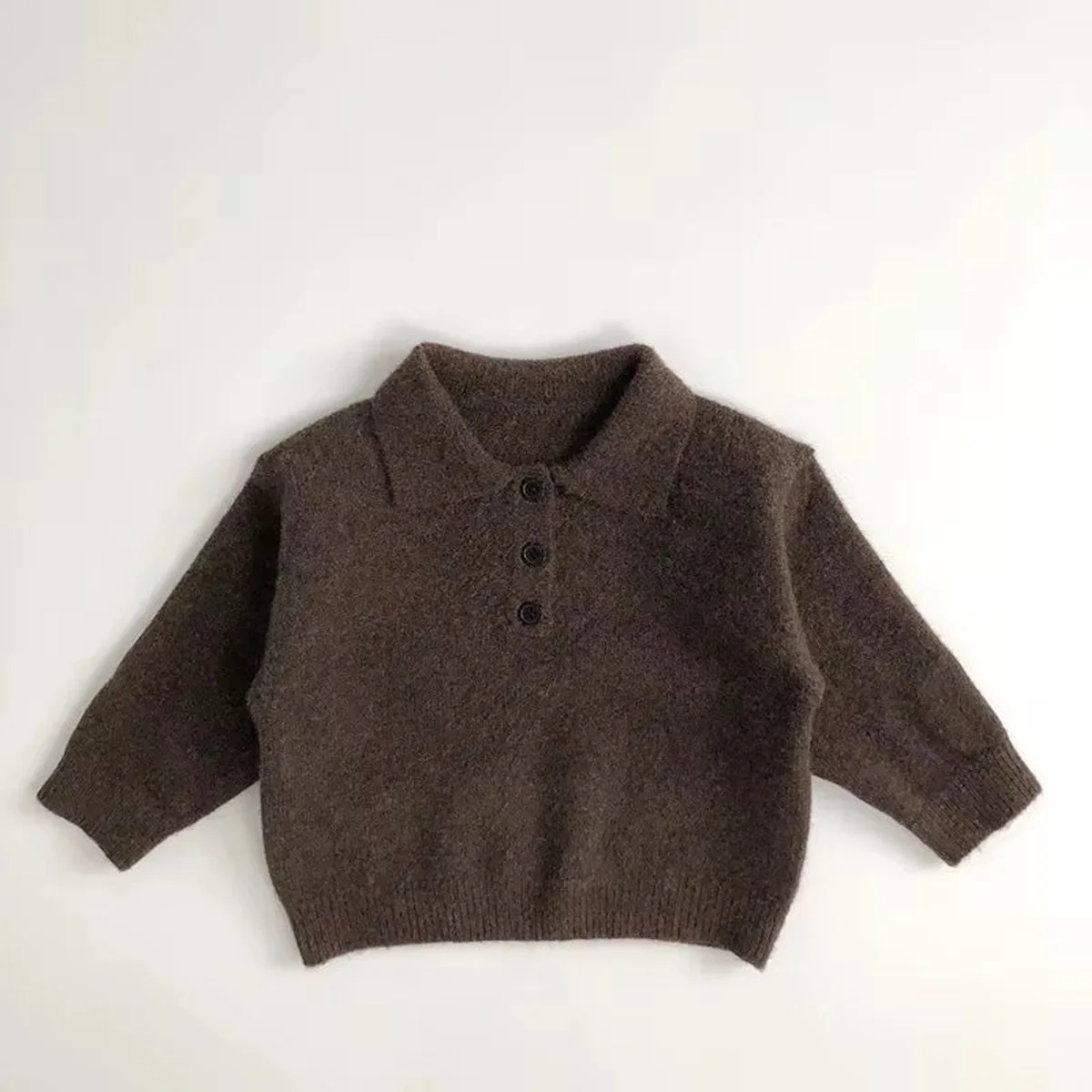
 Toddlers

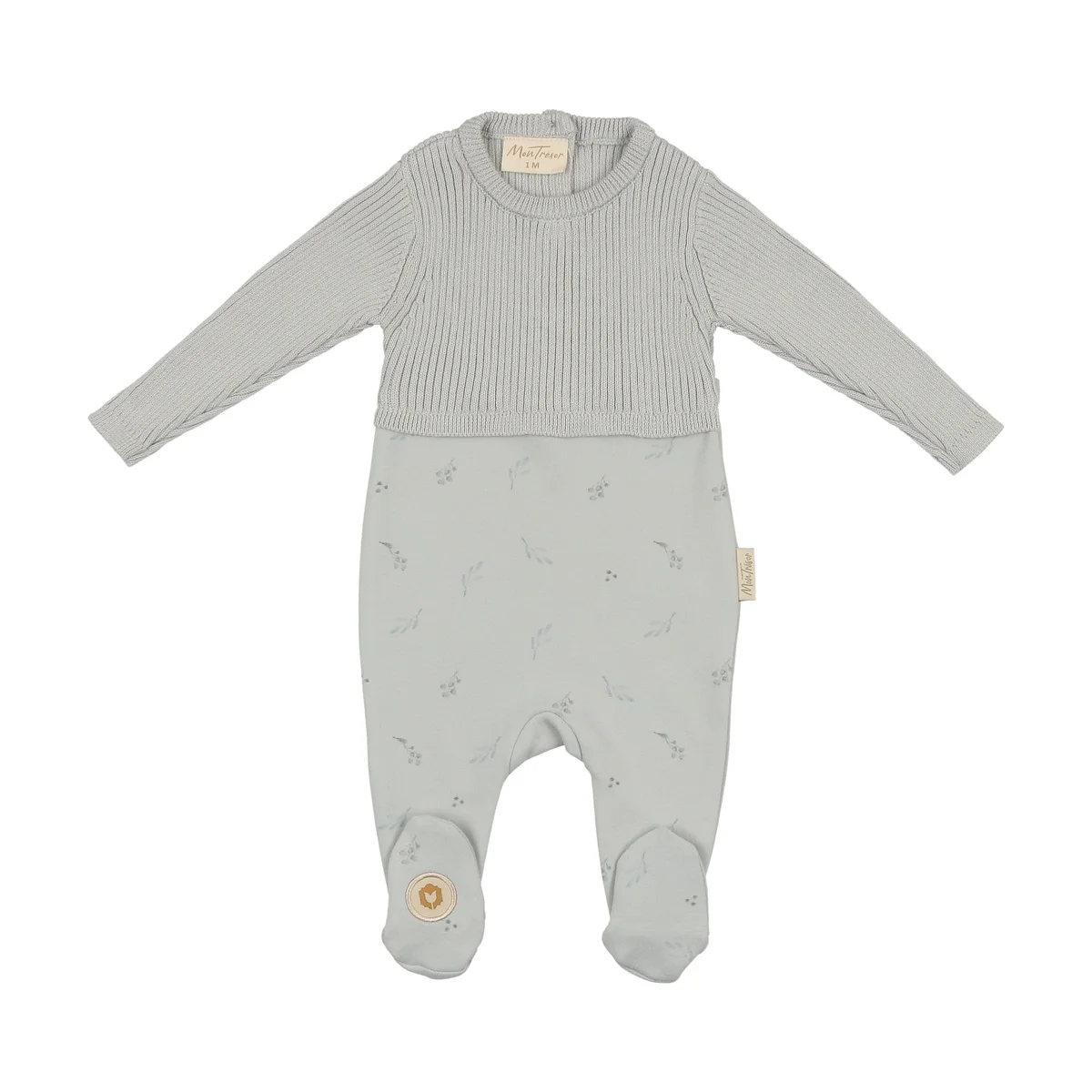 Toddlers
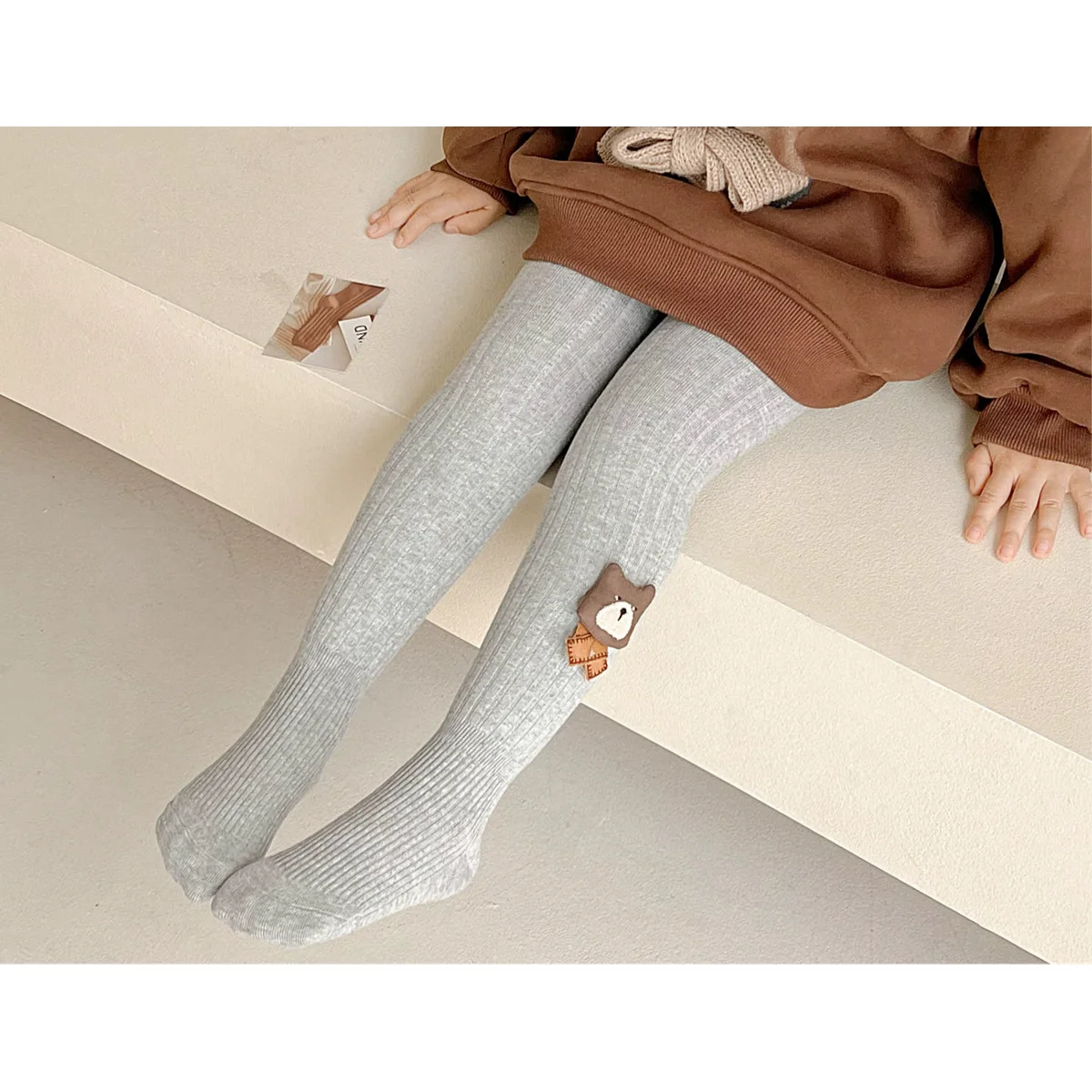 Toddlers
Written by Snugtot editors · updated Nov 13, 2026 · milestones after the CDC's "Learn the Signs. Act Early." program; sleep ranges from the AASM; feeding and vaccines from CDC and AAP guidance. General information, not medical advice; your pediatrician knows your child.