
Ages and stages / 17 months
Your 17-month-old
At 17 months, most toddlers are busy explorers with strong opinions and a growing sense of who they are. Many move through the day in bursts of energy, then drop into quiet focus over a block, a book, or a pile of spoons. Independence is blooming, so "no" and "mine" show up often, sometimes alongside a shrug or a giggle. Parents usually notice first how much their child understands, even when words are few, and how fast they can climb, open, and carry things. Frustration can flare when a child can't yet say or do what they want, and that gap is a normal part of this stage. Routines, predictable transitions, and a few simple choices help the day feel smoother for everyone.
Sleep
11–14 hours
in 24 hours, naps included; 2 naps, moving to 1 between 15 and 18 months.
Clothing size
12–18 months
24–27 lb. Toddler shoe size about 4–5 (US).
Car seat
Rear-facing (infant or convertible seat) as long as the seat's rear-facing height and weight limits allow, usually well past age 2; rear-facing is the safest position at this age.
What most children do at 17 months
Most means about three in four, the CDC's framing. Many do these later and are fine; if several are missing, mention it at the next visit.
Moving
Most children this age walk well, often without holding on, and many can climb onto low furniture, squat to pick things up, and push or pull toys. Some are starting to run or try a few steps backward. Fine motor skills grow too: many stack two or three blocks and scribble with a crayon.
Talking and understanding
Most children this age say several single words and many say around 5 to 20 or more, though some use fewer and still understand a great deal. Many point to show what they want, follow simple one-step directions, and try to copy sounds. Some are beginning to put two words together, like "more milk."
Social and feelings
Most children this age enjoy playing near other kids and may hand over a toy or give a hug. Many show affection and seek comfort from familiar adults, while also testing limits. Some imitate household tasks, like sweeping or stirring, and may cling or protest during separations.
Thinking and learning
Most children this age explore by trial and error, like dropping objects to see what happens. Many find hidden toys, use a spoon or cup with some success, and point to a few body parts or pictures when asked. Some begin to pretend, such as feeding a doll, though much of their play is still hands-on.
Sleep and feeding
Sleep at 17 months
11–14 hours in 24, 2 naps, moving to 1 between 15 and 18 months.
Most toddlers this age sleep about 11 to 14 hours in 24, usually including 2 naps that will soon shift toward one afternoon nap. Night wakings and short stretches of resistance at bedtime are common, and some families notice a regression when language or walking suddenly takes off. Keep a calm, consistent bedtime routine, and try to offer naps at roughly the same times each day.
Ranges from the American Academy of Sleep Medicine, endorsed by the AAP. Under one: on the back, alone, in a bare crib.
Feeding at 17 months
Family food, 3 meals and 2 snacks, whole milk. Whole milk 16–24 oz a day, the rest from food. Toddlers eat in waves: one good meal a day is common. Keep offering; no short-order cooking. Cut round foods lengthwise.
Most toddlers eat family foods three meals and two snacks a day, with whole milk to round things out. Appetite comes in waves, so one good meal a day is common and nothing to worry about. Keep offering a variety of foods without making separate dishes for picky eating. Cut round foods like grapes and cherry tomatoes lengthwise to reduce choking risk.
Loading the CDC data… Add your state to see your own.
Weight and length against the CDC charts for this age: check the percentile → A percentile is a position, not a grade; the curve over visits is what your pediatrician watches.
Vaccines at this age
Nothing new is scheduled this month; the next doses come at the well visits listed on the CDC schedule. A yearly flu shot from 6 months, every fall.
From the CDC child immunization schedule; your pediatrician's record is the one that counts. Full schedule →
Health at 17 months
Common at this age include colds, which may come with a runny nose and cough, along with teething molars, a few new spots of ear infection or fever, and occasional rashes. Growth can slow compared with the first year, and some toddlers have bursts of appetite and quiet stretches. Well-child visits continue at this age, so bring along any questions about growth, development, or sleep.
Worth a call to the pediatrician- Your child has lost skills they had before, such as walking, babbling, or using words they once said.
- Your child does not point, wave, or show interest in others, or seems very withdrawn from people.
- Your child has a fever that lasts several days, trouble breathing, unusual sleepiness, or fewer wet diapers than usual.
A fever of 100.4°F or more in a baby under 3 months is always a same-day call. Poison Control: 1-800-222-1222.
Play and safety
Things to do together
- Stack soft blocks or cups together, then knock them down and cheer. Let your child take turns building and toppling.
- Read a short board book and let your child turn pages and point to pictures, naming what you see together.
- Put a few safe household items in a shallow basket, like wooden spoons or measuring cups, and play a simple "find it" game.
- Walk or crawl through a simple obstacle path using couch cushions or pillows, encouraging climbing and stepping over.
Toys that fit this age
Push-along walker toys · Large chunky puzzles with knobs · Stacking rings · Board books, every day
Safety at exactly this age
- Toddlers can now climb onto furniture and open cabinets, so anchor heavy furniture and TVs to the wall and store medicines, cleaners, and button batteries well out of reach.
- Small objects like coins, marbles, and batteries are a choking risk, so check floors and low surfaces often. Keep plastic bags and cords out of reach too.
- Watch near stairs, windows, and bath water, since a quick toddler can get into trouble in seconds. Use gates and keep an eye on your child near water.
Recent baby product recalls
Kidsview Infant Bouncer · U.S. CPSC · Nov 19
Baby Rattle and Teether Toy Sets · SHEIN Distribution Corporation, of Los Angeles, California · Nov 12
SuperFast Sterilizer Dryers · Baby Brezza Enterprises LLC, of Newark, New Jersey · Nov 5
ONTHEWEI Baby Bath Seats · Hubei Youhong Trading Co., Ltd., dba ONTHEWEI, of China · Oct 8
Questions parents ask at 17 months
How much sleep does a 17-month-old need?
Most toddlers this age sleep about 11 to 14 hours in 24, including naps. Many still take two naps, and the switch to one afternoon nap often happens between 15 and 18 months. Consistent timing helps. Your pediatrician can help if sleep is a concern for your family.
Is it normal for my toddler to refuse most meals?
Yes, appetite in toddlers often comes in waves, and one good meal a day is common. Keep offering family foods without making separate dishes, and let your child decide how much to eat. Whole milk is part of the picture, so keep daily amounts in mind.
How much screen time is okay at this age?
Pediatric guidance generally suggests limiting screen time at this age and favoring shared, interactive activities like reading or talking together. If you do use screens, choose high-quality content and watch it with your child when you can. Every family's approach can look a little different.
Why does my toddler have tantrums?
Tantrums are common at this age because toddlers have big feelings and limited words to express them. Staying calm, offering simple choices, and naming feelings can help. Consistent routines reduce some frustration, and most children gradually handle emotions better over time.
When should I start potty training?
Many children show readiness signs around 18 to 24 months, but some start later, and that is also normal. At 17 months, it's usually a good time to read books about toilets or sit on a potty, without pressure. Every child's timing differs.
Picks for a 17-month-old
The maker's own age label is shown on every product; we do not add our own.
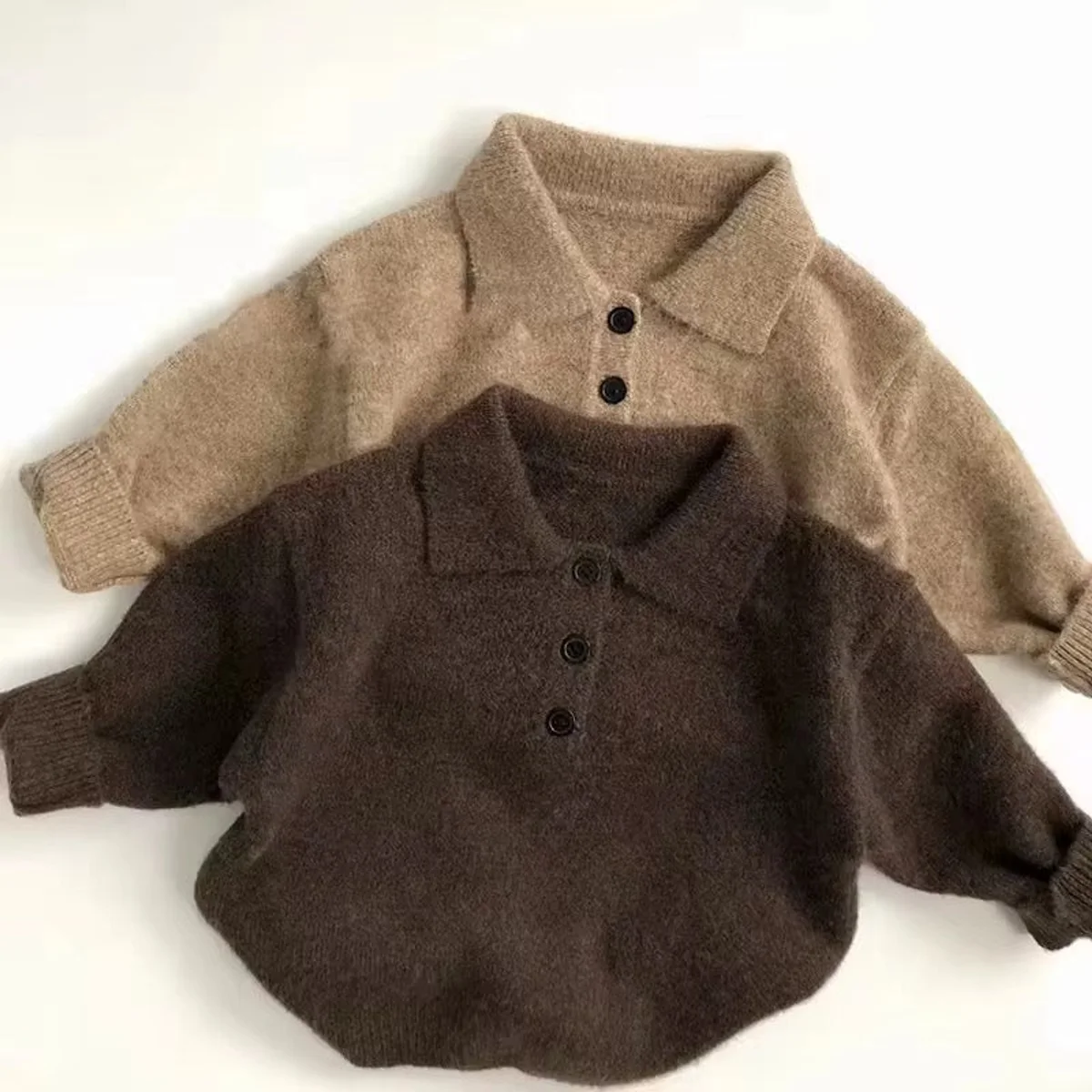 Toddlers
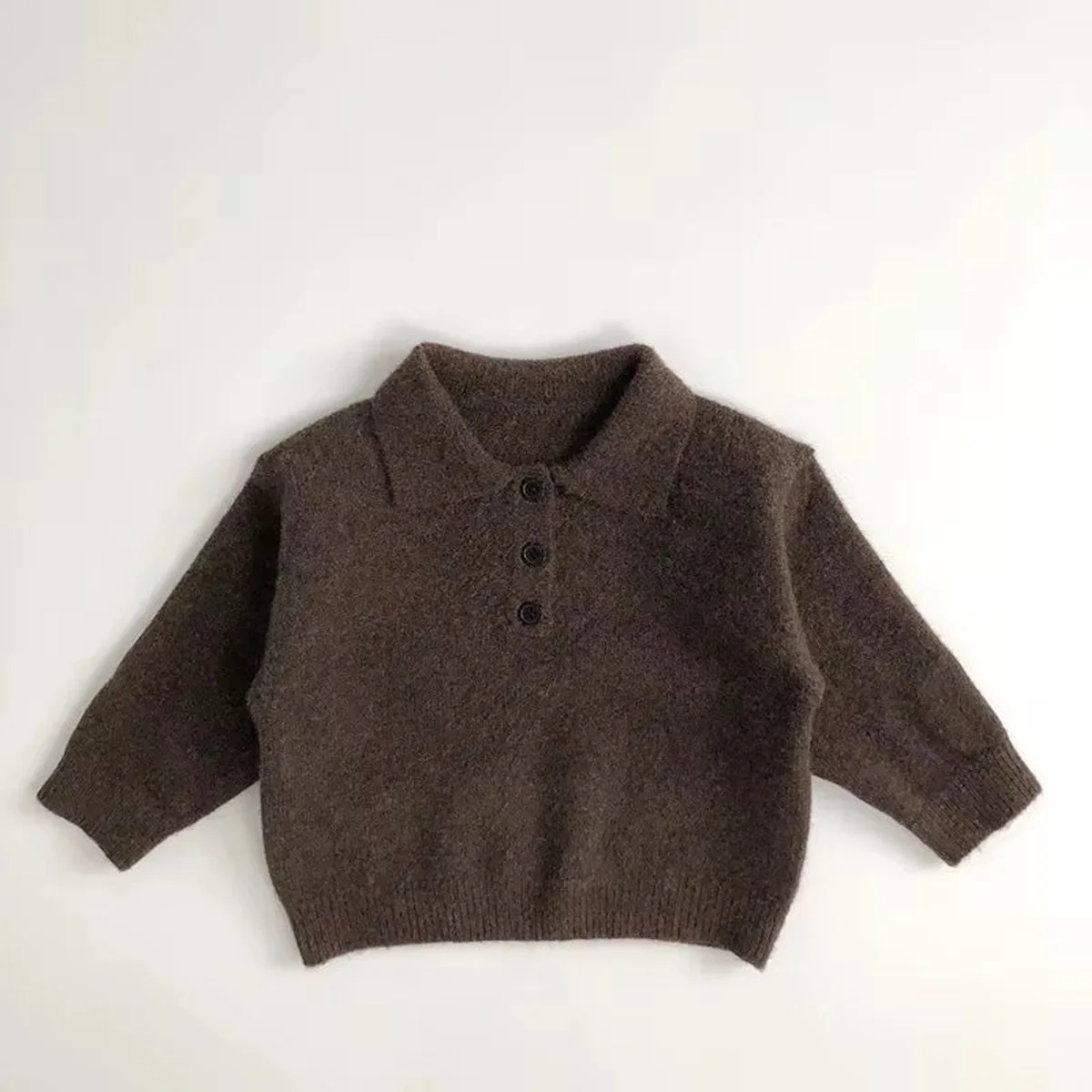
 Toddlers

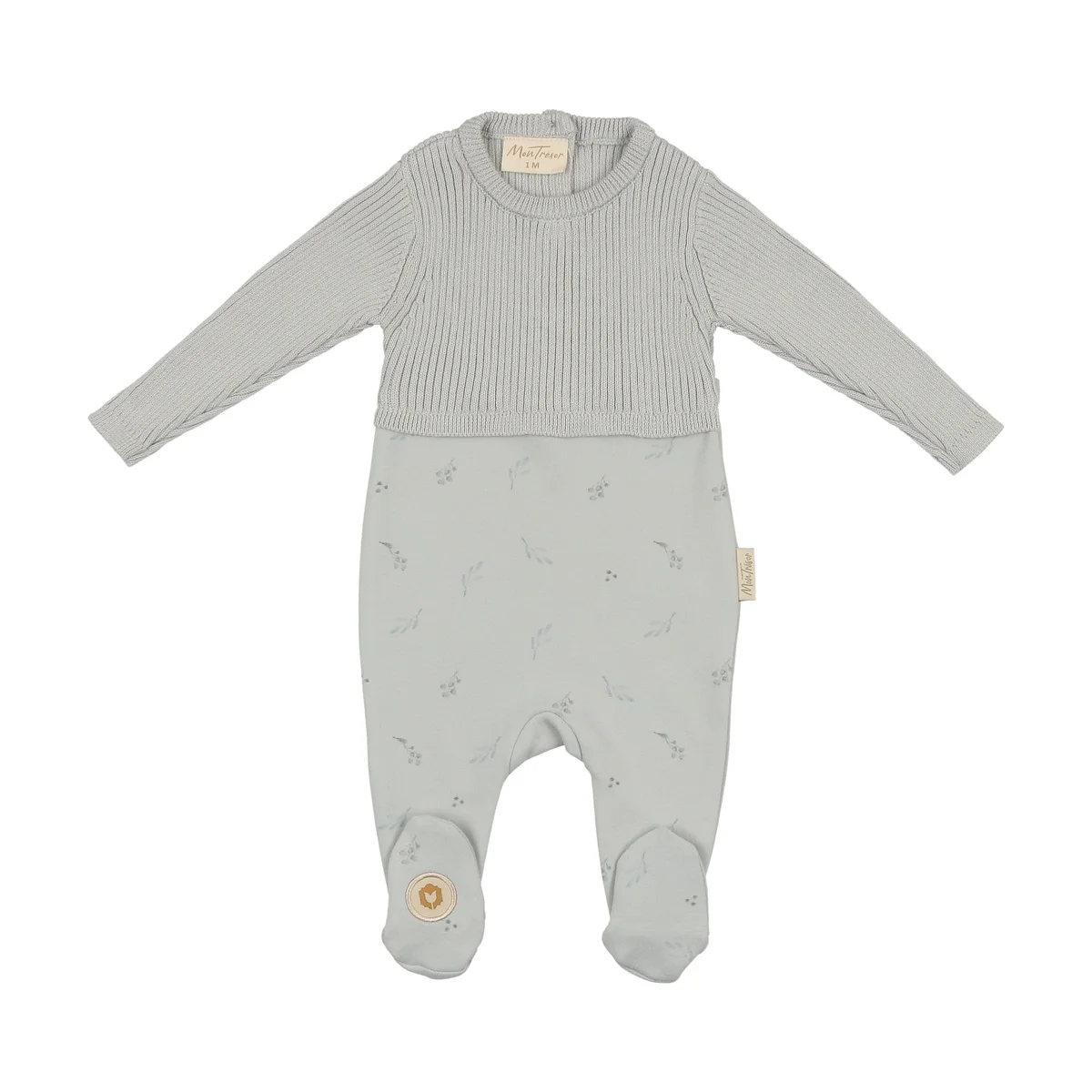 Toddlers
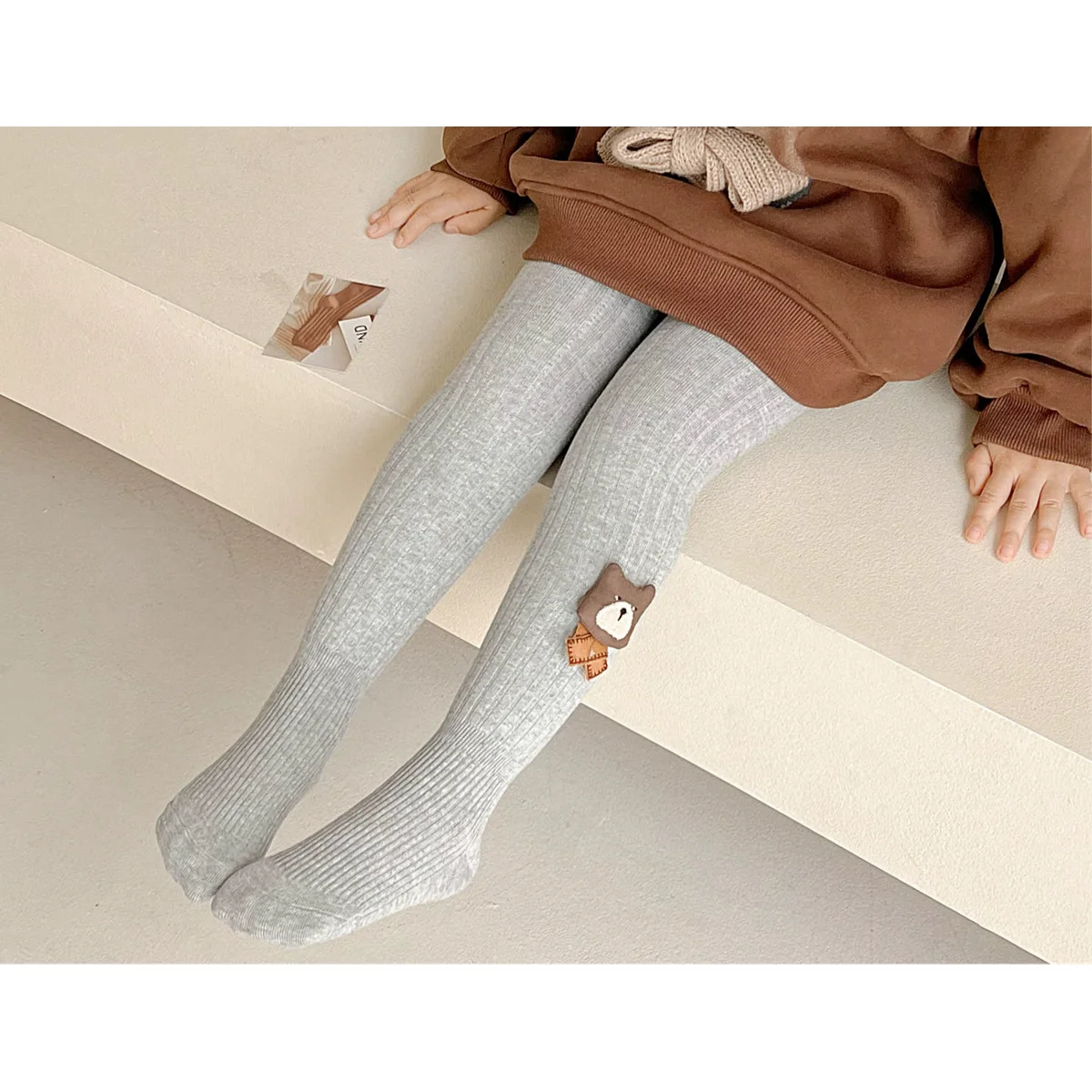 Toddlers

Written by Snugtot editors · updated Nov 13, 2026 · milestones after the CDC's "Learn the Signs. Act Early." program; sleep ranges from the AASM; feeding and vaccines from CDC and AAP guidance. General information, not medical advice; your pediatrician knows your child.