
Ages and stages / 5 months
Your 5-month-old
At five months, many babies are becoming more alert and more social by the day. They tend to be curious about faces, sounds, and anything they can grab, and they often light up at familiar voices. Mornings may bring longer stretches of happy babbling, while some afternoons can feel fussier as tiredness builds. The big change of the month is usually rolling and the growing sense that the baby is ready to interact rather than just be cared for. Many parents first notice the baby reaching for toys, bringing hands to the mouth, and holding their head steady and upright. Feeding and sleep are still the main rhythm of the day, but play time is starting to take up more of it. Every baby moves at a different pace, so this is a general picture rather than a checklist.
Sleep
12–16 hours
in 24 hours, naps included; 3 naps a day, dropping to 2 by about 9 months.
Clothing size
3–6 months
12.5–17 lb. Go by weight, not age; a big 3-month-old wears 6–9M.
Car seat
Rear-facing (infant or convertible seat) as long as the seat's rear-facing height and weight limits allow, usually well past age 2; rear-facing is the safest position at this age.
What most babies do at 5 months
Most means about three in four, the CDC's framing. Many do these later and are fine; if several are missing, mention it at the next visit.
Moving
Most babies this age can hold their head steady when sitting with support and push up on their arms during tummy time. Many roll from tummy to back, and some roll from back to tummy. Many reach for and grab toys, bring objects to their mouth, and pass a toy from one hand to the other. Some begin to sit with support.
Talking and understanding
Most babies this age coo, make vowel sounds like "ah" and "oo," and laugh out loud. Many babble with consonant sounds such as "ba" or "da" and turn their head toward sounds. Some respond to their name and to a speaker's tone of voice.
Social and feelings
Most babies this age smile at people on their own and enjoy looking at faces. Many laugh and squeal to get attention and seem happy when a familiar person plays with them. Some begin to show interest in mirrors and in other babies.
Thinking and learning
Most babies this age watch their hands and look at objects with interest. Many follow moving things with their eyes and reach for things they want to look at more closely. Some begin to explore objects by looking, touching, and mouthing them, and they may start to recognize familiar people and routines.
Sleep and feeding
Sleep at 5 months
12–16 hours in 24, 3 naps a day, dropping to 2 by about 9 months.
Most babies this age sleep about 12 to 16 hours in 24, usually with three naps a day, and nap lengths can start to settle. Many sleep longer stretches at night but still wake to feed, and some go through a sleep regression around four to six months as sleep patterns mature. A helpful tip is to keep a simple, consistent bedtime routine and put your baby down drowsy but awake when you can, so they practice settling on their own.
Ranges from the American Academy of Sleep Medicine, endorsed by the AAP. Under one: on the back, alone, in a bare crib.
Feeding at 5 months
Breast milk or infant formula only. On demand, roughly every 2–4 hours; about 24–32 oz of formula a day by 4–6 months if formula-fed. No water, juice or solids yet unless your pediatrician says so.
Most babies this age feed on demand, usually about every 2 to 4 hours, whether they drink breast milk or formula. Formula-fed babies often take roughly 24 to 32 ounces a day by four to six months. Water, juice, and solids are generally not started yet unless your pediatrician advises otherwise. A practical tip is to watch for hunger cues like rooting, hand-to-mouth movements, and lip smacking, and feed before the baby becomes very upset.
Loading the CDC data… Add your state to see your own.
Weight and length against the CDC charts for this age: check the percentile → A percentile is a position, not a grade; the curve over visits is what your pediatrician watches.
Vaccines at this age
Nothing new is scheduled this month; the next doses come at the well visits listed on the CDC schedule. A yearly flu shot from 6 months, every fall.
From the CDC child immunization schedule; your pediatrician's record is the one that counts. Full schedule →
Health at 5 months
Common things at this age include colds, which may cause a stuffy nose and a little fussiness, and some drooling as the first teeth may begin to come in. Growth spurts can lead to hungrier days and a bit more fussiness. Well-baby visits continue on a regular schedule, with the pediatrician checking growth, development, and vaccines. Your baby's body is still developing, so most minor changes are a normal part of this stage.
Worth a call to the pediatrician- Call if your baby has a fever of 100.4 F or higher, or seems unusually sleepy, hard to wake, or unwell.
- Call if your baby is not making eye contact, does not smile, or does not respond to sounds or familiar faces.
- Call if your baby seems unable to hold their head up, has stiff or very floppy movements, or is feeding poorly or having fewer wet diapers than usual.
A fever of 100.4°F or more in a baby under 3 months is always a same-day call. Poison Control: 1-800-222-1222.
Play and safety
Things to do together
- Lie on the floor together and hold a bright rattle just above your baby's chest so they can reach for it and grab.
- Sit your baby on your lap facing a mirror and name the faces you both make so they can see themselves and smile.
- During tummy time, get down at eye level and sing a song or talk about what you see to encourage lifting the head.
- Place a soft cloth or toy within reach and play peekaboo with it, hiding and revealing it slowly to build attention.
Toys that fit this age
Rattles and teethers the baby can hold · A play gym with things to bat at · Crinkle books and soft blocks
Safety at exactly this age
- Babies this age can roll, so never leave them alone on a raised surface like a changing table, bed, or sofa, even for a second.
- Keep small objects, loose buttons, and cords out of reach, since your baby can now grab and bring almost anything to their mouth.
- Always place your baby on their back to sleep on a firm, flat surface with no pillows, blankets, or bumpers in the crib.
Recent baby product recalls
Kidsview Infant Bouncer · U.S. CPSC · Nov 19
Baby Rattle and Teether Toy Sets · SHEIN Distribution Corporation, of Los Angeles, California · Nov 12
SuperFast Sterilizer Dryers · Baby Brezza Enterprises LLC, of Newark, New Jersey · Nov 5
ONTHEWEI Baby Bath Seats · Hubei Youhong Trading Co., Ltd., dba ONTHEWEI, of China · Oct 8
Questions parents ask at 5 months
Is my 5-month-old sleeping enough?
Many babies this age sleep about 12 to 16 hours in 24, including night sleep and naps. Sleep varies a lot from baby to baby, and some sleep in shorter stretches that are still normal. If you are worried about your baby's sleep or how much they are getting, talk with your pediatrician, who can look at the full picture.
How often should a 5-month-old eat?
Most babies this age feed on demand, usually every 2 to 4 hours. Formula-fed babies often take about 24 to 32 ounces a day by four to six months. Feeding on cues rather than strict times is common, and your pediatrician can help if you have questions about amounts.
When do babies usually start rolling over?
Many babies start rolling from tummy to back around four to six months, and some roll both ways. Every baby develops at a different pace, so some roll earlier and some later. If you have concerns about your baby's movement or muscle tone, your pediatrician is the best person to ask.
Is it okay to let my baby watch screens at this age?
The American Academy of Pediatrics generally advises avoiding screen media for babies under 18 months, except for video chatting with family. Face-to-face play, talking, and reading are better ways to support learning at this stage.
When do teeth usually start coming in?
Many babies start teething around four to seven months, though some get their first tooth earlier or later. Drooling, chewing on hands, and fussiness can all happen during teething. Ask your pediatrician if you have questions about your baby's teeth or about soothing them.
Picks for a 5-month-old
The maker's own age label is shown on every product; we do not add our own.
 Toddlers
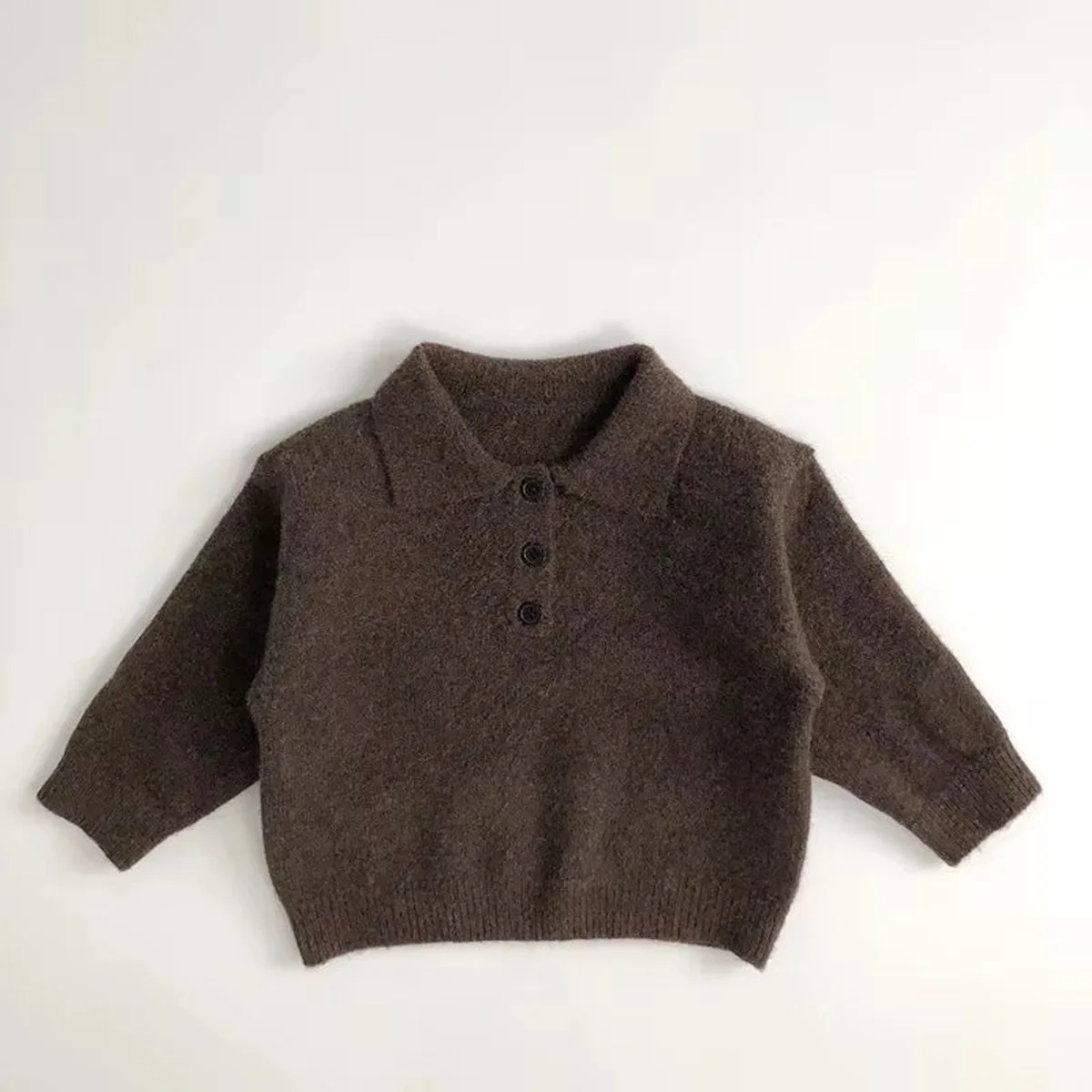
 Toddlers

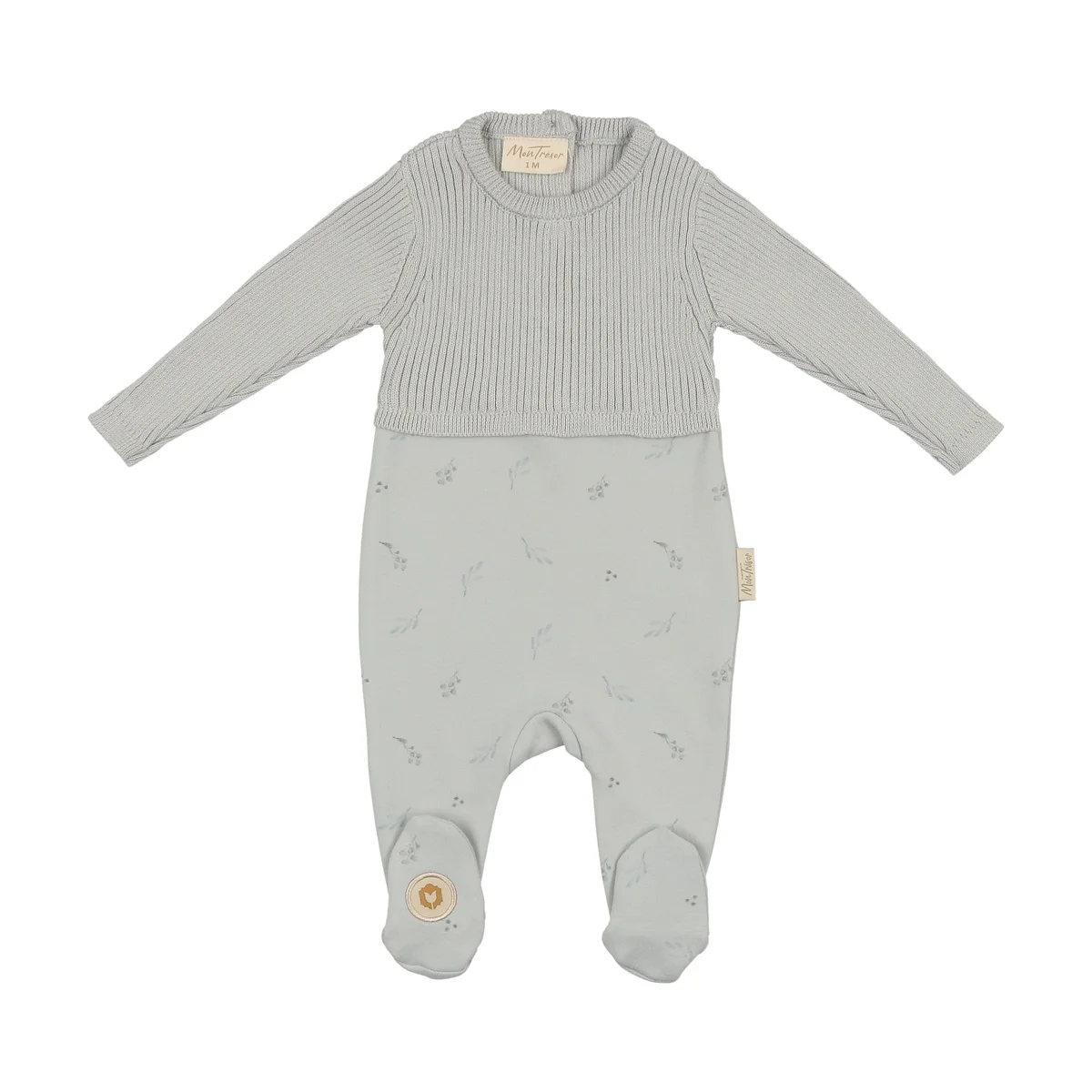 Toddlers
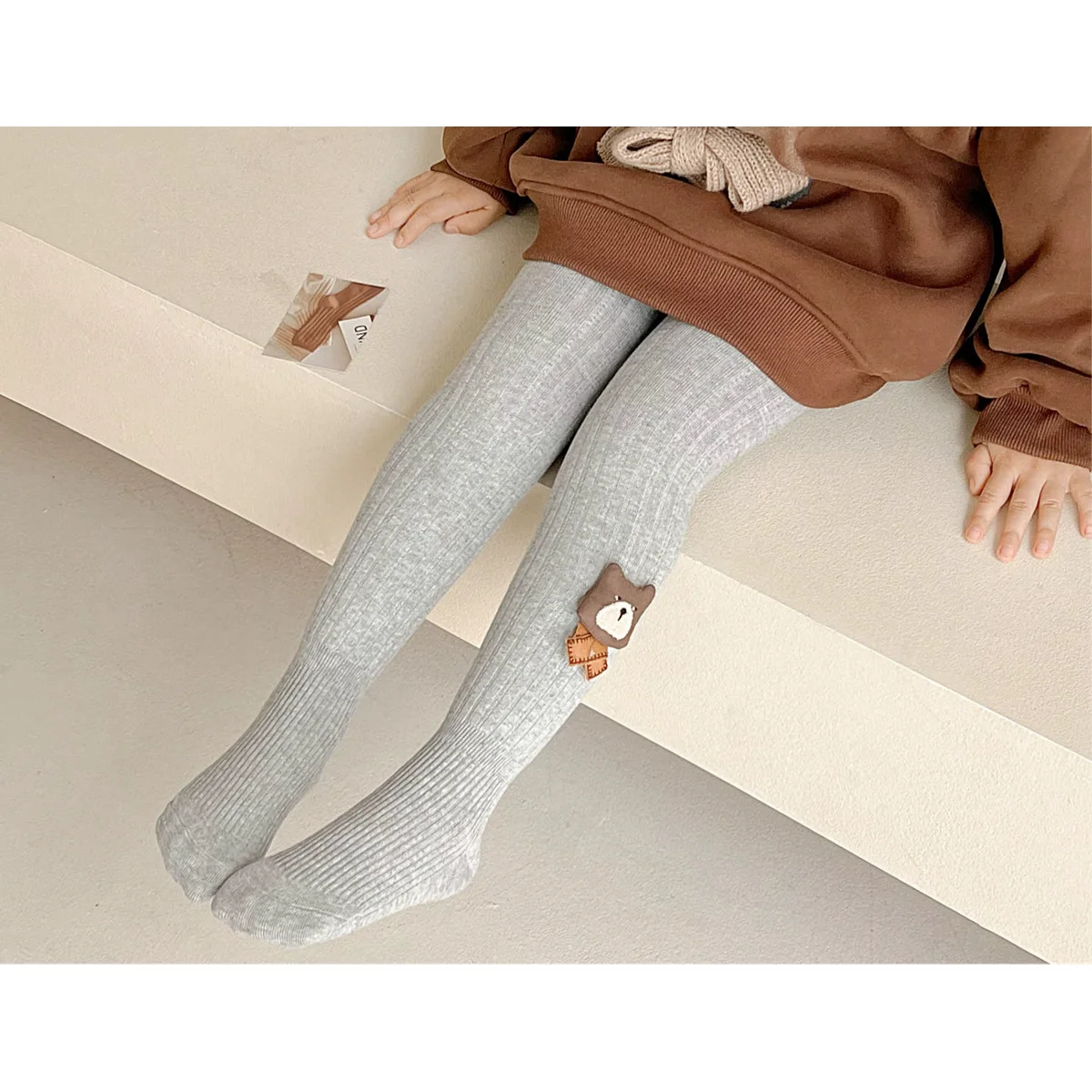 Toddlers

Written by Snugtot editors · updated Nov 13, 2026 · milestones after the CDC's "Learn the Signs. Act Early." program; sleep ranges from the AASM; feeding and vaccines from CDC and AAP guidance. General information, not medical advice; your pediatrician knows your child.