
Ages and stages / 6 months
Your 6-month-old
At six months, many babies are becoming more settled and more interested in the world around them. Most are laughing, babbling, and reaching for faces, toys, and anything within grabbing distance. Many roll both ways and some are starting to sit with support, so they can see things from a new angle. Parents often notice that their baby tracks movement across the room, responds to their name, and seems to want to be part of whatever is happening. Routines start to take shape, though they can shift with growth spurts, teething, and new skills. Every baby moves through this stage at their own pace, and the range of what is typical is wide.
Sleep
12–16 hours
in 24 hours, naps included; 3 naps a day, dropping to 2 by about 9 months.
Clothing size
6–9 months
17–21 lb. Sleepers with feet should have room to kick.
Car seat
Rear-facing (infant or convertible seat) as long as the seat's rear-facing height and weight limits allow, usually well past age 2; rear-facing is the safest position at this age.
What most babies do at 6 months
Most means about three in four, the CDC's framing. Many do these later and are fine; if several are missing, mention it at the next visit.
Moving
Most babies this age roll over in both directions, push up on their arms during tummy time, and sit with support. Many reach for and grab objects with a whole hand and move them from one hand to the other. Some begin to bear weight on their legs when held upright. The range is wide, and many babies reach these skills a little earlier or later.
Talking and understanding
Many babies this age babble with consonant sounds like 'ba', 'da', and 'ma', and laugh or squeal to get attention. Most turn their head toward sounds and respond to their own name. Some copy sounds they hear, and many enjoy back-and-forth noises with a caregiver. Every baby's pace of talking differs.
Social and feelings
Most babies this age smile at familiar people, show interest in mirrors, and often seem happy to be played with. Many show clear likes and dislikes, and some begin to notice strangers and feel shy or wary. Babies often reach out to be picked up. Social growth varies a lot from one baby to the next.
Thinking and learning
Many babies this age look for objects that drop out of sight, bring toys to their mouths to explore, and bang or shake things to see what happens. Most show curiosity about cause and effect and can pass an object from hand to hand. Some study their own hands and feet with great interest. Learning styles and timing differ widely.
Sleep and feeding
Sleep at 6 months
12–16 hours in 24, 3 naps a day, dropping to 2 by about 9 months.
Most babies this age sleep about 12 to 16 hours in 24, usually with three naps a day, which often drop to two by about nine months. Night stretches are getting longer for many, though some wake to feed. Sleep regressions around four and six months are common and usually pass. A practical tip: keep a predictable bedtime routine, such as a bath, feeding, and a quiet book, and put your baby down drowsy but awake so they learn to settle.
Ranges from the American Academy of Sleep Medicine, endorsed by the AAP. Under one: on the back, alone, in a bare crib.
Feeding at 6 months
Breast milk or formula, plus first solids. Start solids at about 6 months when the baby sits with support and reaches for food: iron-rich foods first (fortified cereal, puréed meat, beans), one new food at a time, allergens (peanut, egg) early and often. Milk is still the main food; solids are practice.
Breast milk or formula is still the main food at six months, and solids are best thought of as practice. Many babies start solids around this age once they sit with support and reach for food. Iron-rich foods like fortified cereal, pureed meat, and beans are often offered first, one new food at a time. A practical tip: offer solids after milk when your baby is calm, and expect a lot of mess and very small amounts at first.
Loading the CDC data… Add your state to see your own.
Weight and length against the CDC charts for this age: check the percentile → A percentile is a position, not a grade; the curve over visits is what your pediatrician watches.
Vaccines due around now
- DTaP
- Hib (depending on brand)
- PCV
- Rotavirus (depending on brand)
- Hepatitis B (6–18 months)
- IPV (6–18 months)
- Flu (yearly from 6 months; two doses the first season)
- COVID-19 (from 6 months, per current CDC guidance)
From the CDC child immunization schedule; your pediatrician's record is the one that counts. Full schedule →
Health at 6 months
Common at this age include mild colds, teething with drooling and fussiness, and growth spurts that can change feeding and sleep for a few days. Well-baby visits continue on a regular schedule, where your pediatrician checks growth, development, and immunizations. Fever, mood, and feeding changes are often part of ordinary illness, though they are worth noting. Ask your pediatrician about any question at a visit.
Worth a call to the pediatrician- Your baby seems very sleepy, is hard to wake, or has a fever with unusual fussiness or poor feeding.
- Your baby does not turn toward sounds, does not babble or make any sounds, or does not smile at people.
- Your baby does not bring hands to mouth, does not reach for objects, or seems stiff or floppy in the arms or legs.
A fever of 100.4°F or more in a baby under 3 months is always a same-day call. Poison Control: 1-800-222-1222.
Play and safety
Things to do together
- Sit your baby on your lap facing a mirror and name the faces and actions you both make together.
- Roll a soft ball back and forth on the floor, letting your baby reach and push toward you.
- Hide a favorite toy under a cloth and let your baby pull it away to find it again.
- Read a short board book aloud, pointing to pictures and making silly sounds for each one.
Toys that fit this age
Stacking cups and nesting toys · Board books with flaps · Balls that roll slowly · A busy board or activity cube
Safety at exactly this age
- Babies this age can roll and may move across a bed, sofa, or changing table, so never leave them alone on any raised surface, even for a moment.
- Small objects can go straight into the mouth, so check the floor for coins, buttons, and small toys that could cause choking.
- Keep the crib bare with a firm, flat mattress and no pillows, bumpers, or loose blankets, and always place your baby on their back to sleep.
Recent baby product recalls
Kidsview Infant Bouncer · U.S. CPSC · Nov 19
Baby Rattle and Teether Toy Sets · SHEIN Distribution Corporation, of Los Angeles, California · Nov 12
SuperFast Sterilizer Dryers · Baby Brezza Enterprises LLC, of Newark, New Jersey · Nov 5
ONTHEWEI Baby Bath Seats · Hubei Youhong Trading Co., Ltd., dba ONTHEWEI, of China · Oct 8
Questions parents ask at 6 months
When should I start solid foods?
Many babies start solids around six months, once they can sit with support, hold their head steady, and reach for food. Milk stays the main food for the first year. Your pediatrician can help you decide the right time for your baby, since readiness varies from child to child.
Is it normal for my baby to wake up more at night now?
Yes, many babies wake more at around four to six months, often because of growth, new skills, or a sleep regression. Night waking usually improves with a steady routine. If you are worried or it lasts a long time, talk with your pediatrician.
How much should my baby be eating?
Milk is still the main source of nutrition, and solids are small tastes at first. Many babies eat a few spoonfuls of food once or twice a day and gradually eat more. Follow your baby's hunger and fullness cues, and ask your pediatrician about amounts.
Should I be worried about screen time at six months?
The American Academy of Pediatrics recommends avoiding screens for babies this age except for video chatting with family. Face-to-face talking, reading, and playing are best for learning. If you do use a screen, keep it brief and watch together.
Why is my baby suddenly putting everything in their mouth?
Mouthing is how many babies explore objects and also soothe sore gums during teething. It is a normal stage of learning. Keep small objects out of reach, and offer safe teethers or clean hands and toys to chew on.
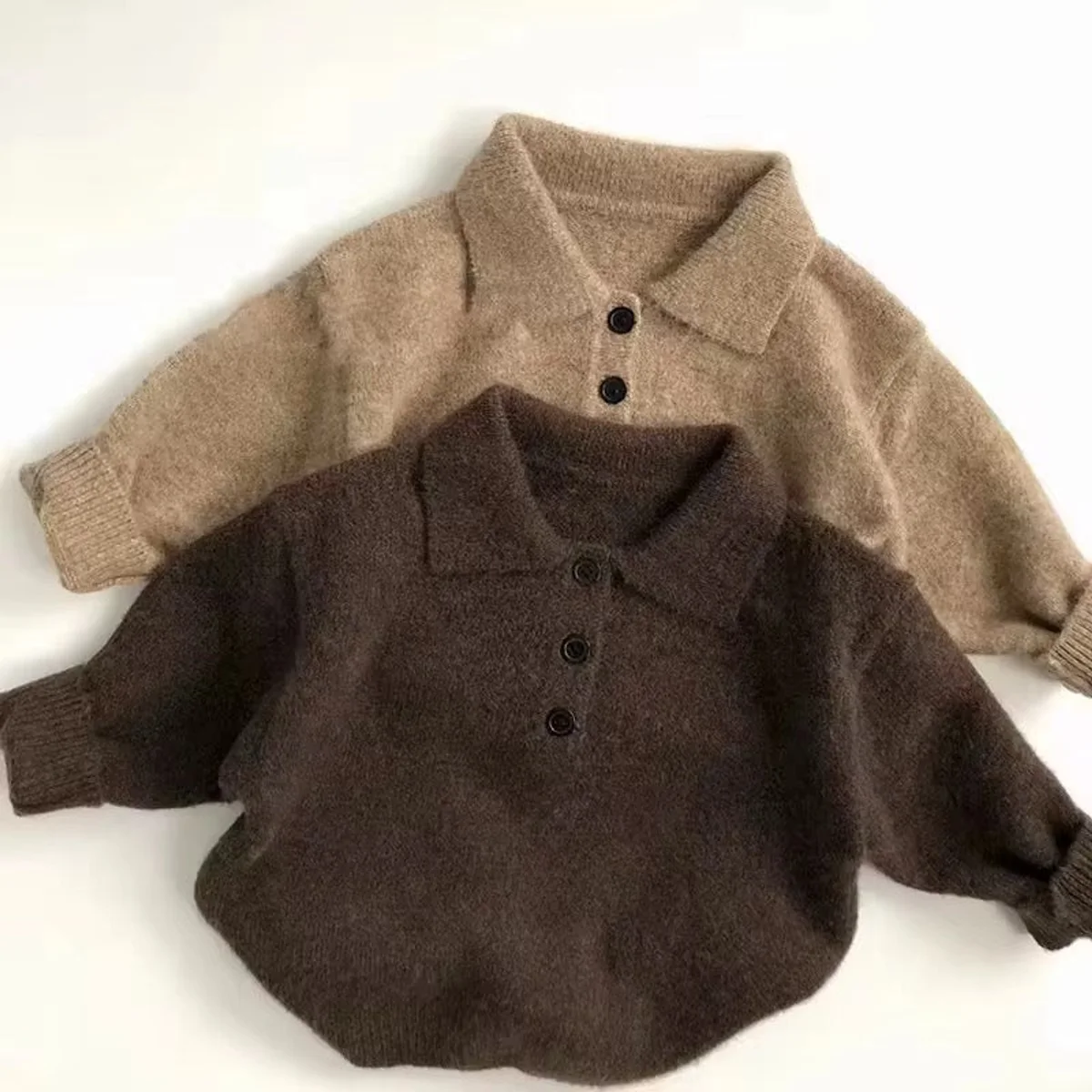
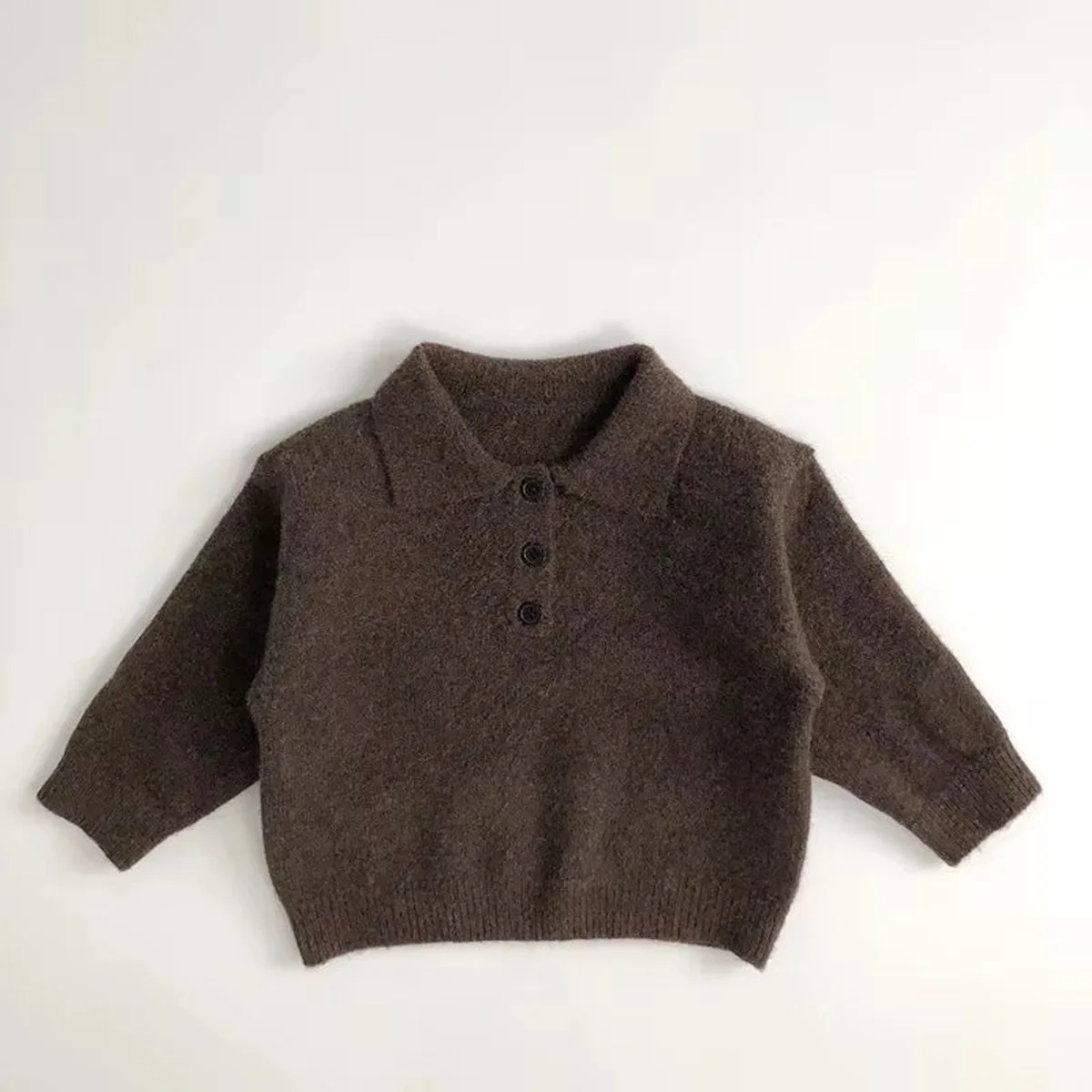
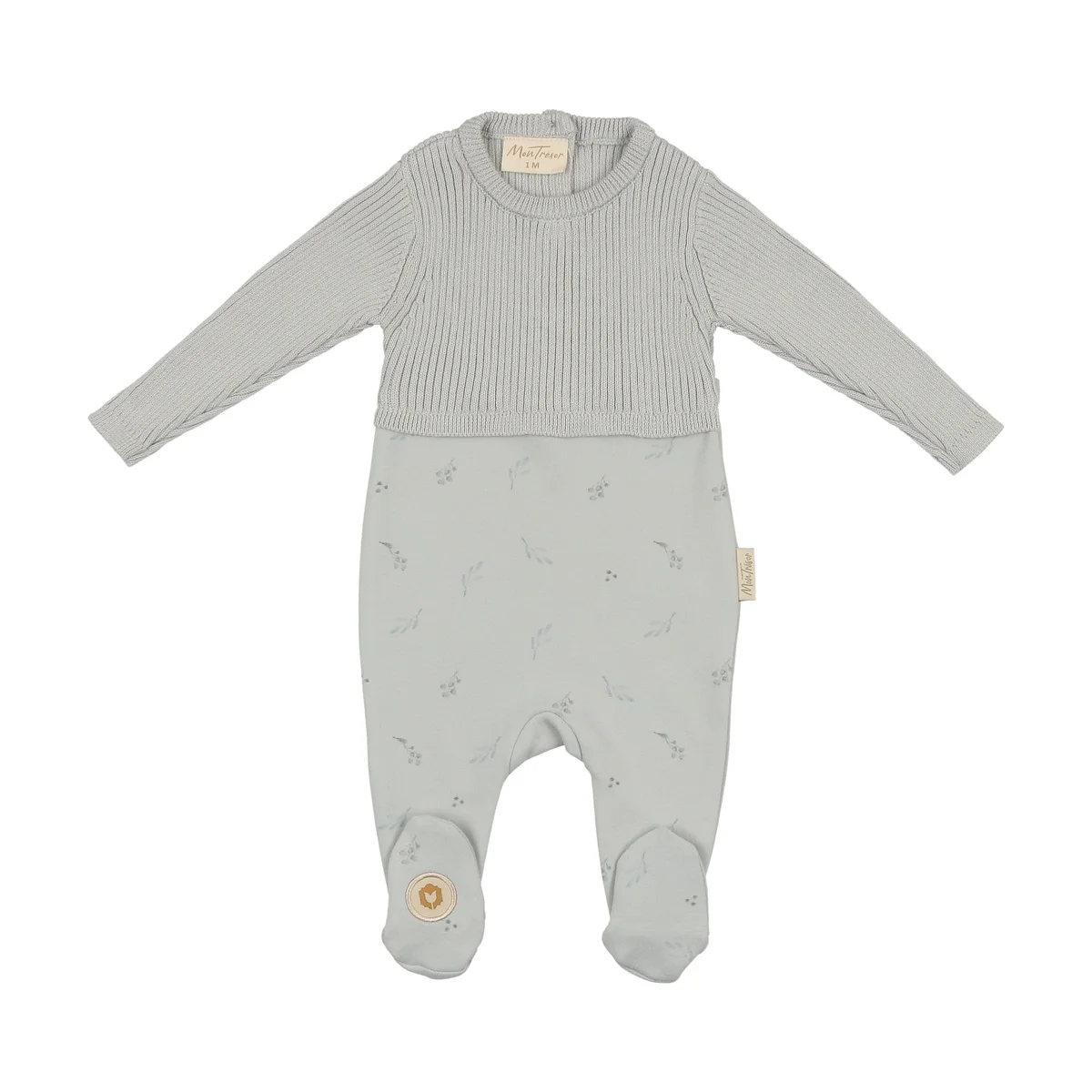
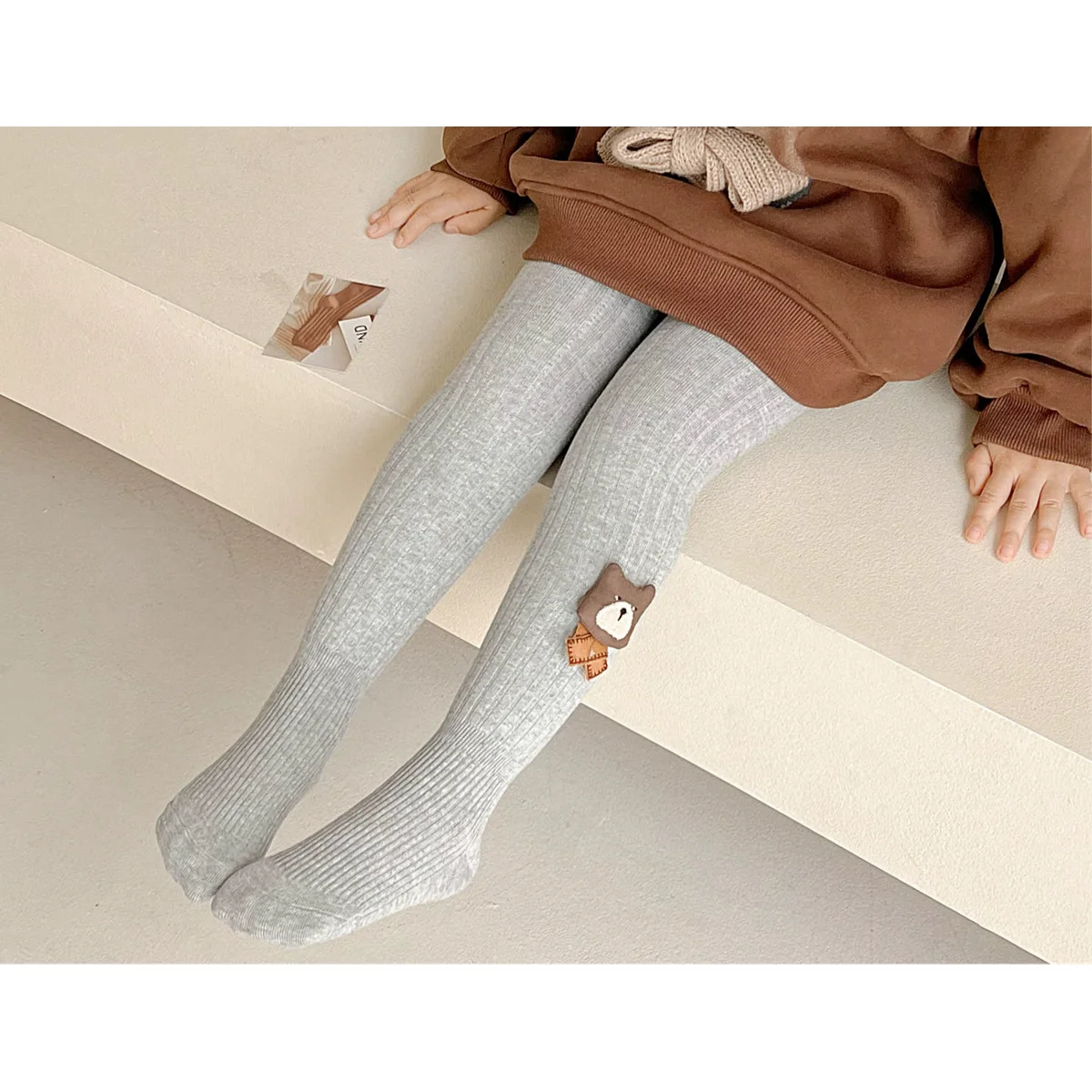
Picks for a 6-month-old
The maker's own age label is shown on every product; we do not add our own.
 Toddlers
 Toddlers

 Toddlers
 Toddlers

Written by Snugtot editors · updated Nov 13, 2026 · milestones after the CDC's "Learn the Signs. Act Early." program; sleep ranges from the AASM; feeding and vaccines from CDC and AAP guidance. General information, not medical advice; your pediatrician knows your child.