
Ages and stages / 7 months
Your 7-month-old
At seven months, many babies feel like they have shifted into a new phase. They are more alert and curious, reaching for objects, grabbing hair and glasses, and turning toward voices across the room. Most are sitting with some support and may be getting close to sitting on their own. Many are beginning to babble in longer strings and respond to their name. The big change this month is often separation: some babies start to show stranger awareness and fuss when a familiar caregiver leaves the room. Parents usually notice first that their baby is more interactive, more determined, and more interested in the world around them. Routines start to matter more, and daytime play often becomes a bigger part of the day. Every baby moves through these changes at their own pace.
Sleep
12–16 hours
in 24 hours, naps included; 3 naps a day, dropping to 2 by about 9 months.
Clothing size
6–9 months
17–21 lb. Sleepers with feet should have room to kick.
Car seat
Rear-facing (infant or convertible seat) as long as the seat's rear-facing height and weight limits allow, usually well past age 2; rear-facing is the safest position at this age.
What most babies do at 7 months
Most means about three in four, the CDC's framing. Many do these later and are fine; if several are missing, mention it at the next visit.
Moving
Most babies this age can sit with support and many begin to sit on their own for short stretches. Many roll both ways, reach for and grasp toys with either hand, and transfer objects from one hand to the other. Some begin to pull up on furniture or scoot. The range is wide, and many babies reach these skills a bit earlier or later.
Talking and understanding
Most babies this age babble with consonant sounds like 'ba' and 'da' and may string sounds together. Many respond to their own name and to simple words like 'no.' Some make sounds to get attention or to express a feeling. Babies vary a lot in how quickly their babbling grows.
Social and feelings
Most babies this age show clear preferences for familiar people and may be wary of strangers. Many laugh, squeal, and enjoy games like peekaboo. Some reach out to be picked up and show excitement when a favorite person comes near. Social skills develop differently from one baby to the next.
Thinking and learning
Most babies this age look for objects that drop out of sight and pay close attention to what they are doing. Many explore toys by mouthing, shaking, and banging them. Some begin to understand that things continue to exist when hidden. Curiosity and problem solving grow steadily over the coming months.
Sleep and feeding
Sleep at 7 months
12–16 hours in 24, 3 naps a day, dropping to 2 by about 9 months.
Most babies this age sleep about 12 to 16 hours in 24, usually with three naps a day, which often drop to two by around nine months. Night stretches may be longer, but short wake-ups are common, and sleep regressions can appear around this time. A practical tip is to keep a simple, consistent bedtime routine and to put your baby down drowsy but awake so they practice settling on their own.
Ranges from the American Academy of Sleep Medicine, endorsed by the AAP. Under one: on the back, alone, in a bare crib.
Feeding at 7 months
Breast milk or formula, plus first solids. Start solids at about 6 months when the baby sits with support and reaches for food: iron-rich foods first (fortified cereal, puréed meat, beans), one new food at a time, allergens (peanut, egg) early and often. Milk is still the main food; solids are practice.
At this age, breast milk or formula is still the main food, and many babies are starting first solids. Most babies can sit with support and reach for food by about six months, which is when solids often begin. Iron-rich foods such as fortified cereal, puréed meat, and beans are common first choices, and introducing one new food at a time helps you watch for reactions. Early and repeated exposure to allergens like peanut and egg is recommended. A practical tip is to offer solids after a milk feeding at first, since milk is still the main source of nutrition.
Loading the CDC data… Add your state to see your own.
Weight and length against the CDC charts for this age: check the percentile → A percentile is a position, not a grade; the curve over visits is what your pediatrician watches.
Vaccines at this age
Nothing new is scheduled this month; the next doses come at the well visits listed on the CDC schedule. A yearly flu shot from 6 months, every fall.
From the CDC child immunization schedule; your pediatrician's record is the one that counts. Full schedule →
Health at 7 months
Common concerns at this age include colds, which can be frequent as babies are around more people, and teething, which may bring fussiness, drooling, and interest in chewing. Growth spurts are common and can make your baby seem hungrier for a few days. Well-baby visits continue at regular intervals, and this is a good time to ask questions about feeding, sleep, and development. Most babies this age are doing well with consistent care and attention.
Worth a call to the pediatrician- Your baby seems not to respond to sounds or does not turn toward familiar voices.
- Your baby does not sit with support or does not reach for or grasp objects.
- Your baby has a fever with a change in alertness, unusual sleepiness, or trouble breathing.
A fever of 100.4°F or more in a baby under 3 months is always a same-day call. Poison Control: 1-800-222-1222.
Play and safety
Things to do together
- Sit facing your baby and take turns making sounds, then pause to see if they answer back.
- Hide a small, safe toy under a cloth and encourage your baby to pull the cloth away to find it.
- Place a few soft objects in front of your baby and let them reach, grab, and move them from hand to hand.
- Read a board book together, pointing to pictures and naming them in a warm, slow voice.
Toys that fit this age
Stacking cups and nesting toys · Board books with flaps · Balls that roll slowly · A busy board or activity cube
Safety at exactly this age
- Babies this age can grab and mouth small objects, so keep coins, button batteries, and small toy parts out of reach.
- Once your baby can roll and scoot, check that the floor area is clear of cords, plastic bags, and small items.
- Keep hot drinks and food away from edges, since babies may reach for tablecloths or cords and pull things down.
Recent baby product recalls
Kidsview Infant Bouncer · U.S. CPSC · Nov 19
Baby Rattle and Teether Toy Sets · SHEIN Distribution Corporation, of Los Angeles, California · Nov 12
SuperFast Sterilizer Dryers · Baby Brezza Enterprises LLC, of Newark, New Jersey · Nov 5
ONTHEWEI Baby Bath Seats · Hubei Youhong Trading Co., Ltd., dba ONTHEWEI, of China · Oct 8
Questions parents ask at 7 months
How much should my 7-month-old sleep?
Most babies this age sleep about 12 to 16 hours in 24, usually with three naps a day that often drop to two by nine months. Every baby is different, and some sleep more or less. If you have concerns about your baby's sleep, talk with your pediatrician.
When should I start solid foods?
Many babies start solids around six months, once they can sit with support and reach for food. Iron-rich foods like fortified cereal, puréed meat, and beans are common first choices. Milk is still the main food at this age, so solids are mostly practice.
Is it normal for my baby to be shy around strangers?
Yes, many babies this age become wary of strangers and prefer familiar caregivers. This is a normal part of development. Staying calm and giving your baby time to warm up can help them feel more comfortable.
Should my 7-month-old have screen time?
The AAP advises avoiding screen time for babies under 18 months, other than video chatting with family. Face-to-face play, reading, and talking are better ways to support learning at this age.
Why is my baby suddenly waking up at night again?
Night wakings are common around this age and may be linked to developmental leaps, teething, or growing awareness of separation. Keeping a consistent routine and comforting your baby calmly can help. If night waking worries you, your pediatrician can help.
Picks for a 7-month-old
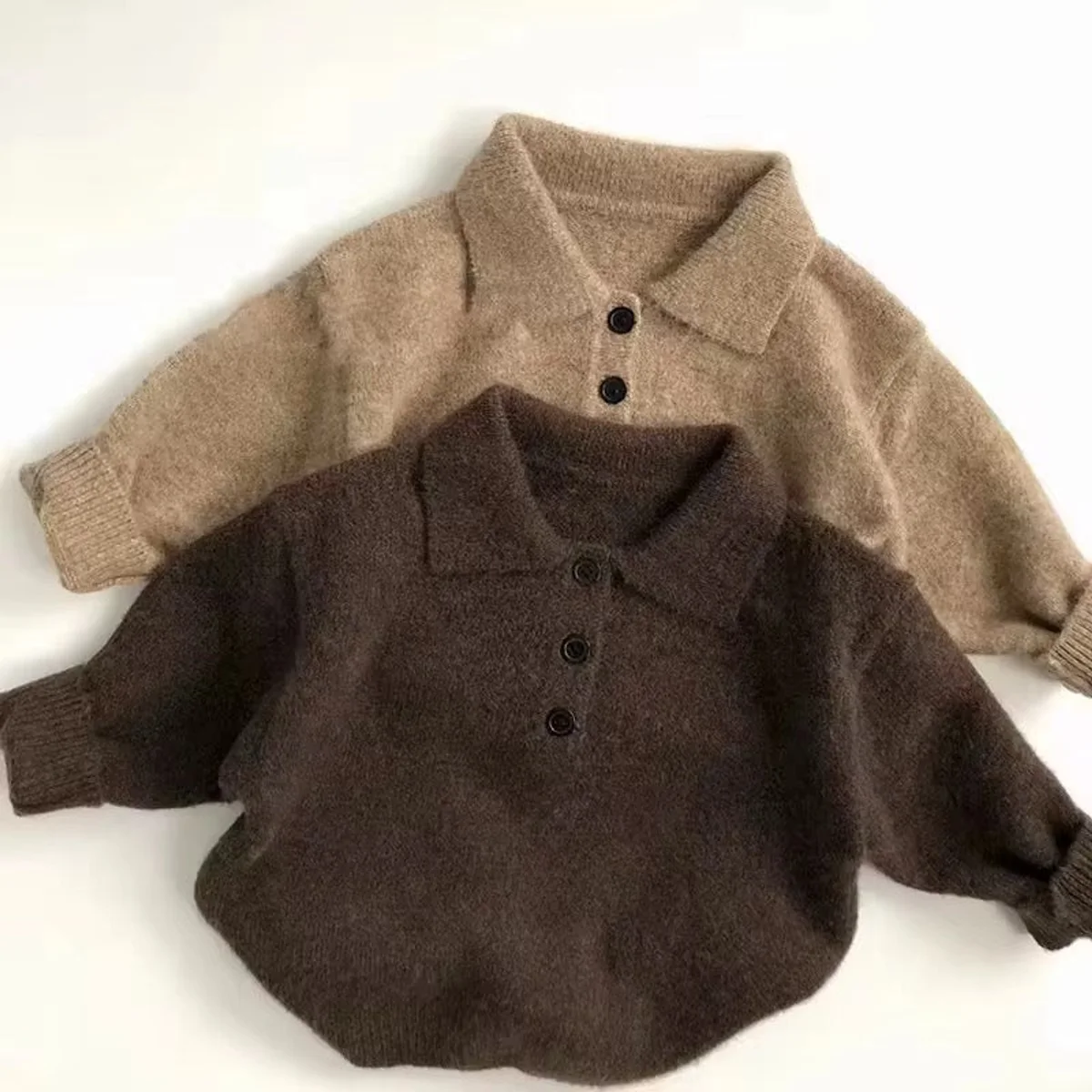
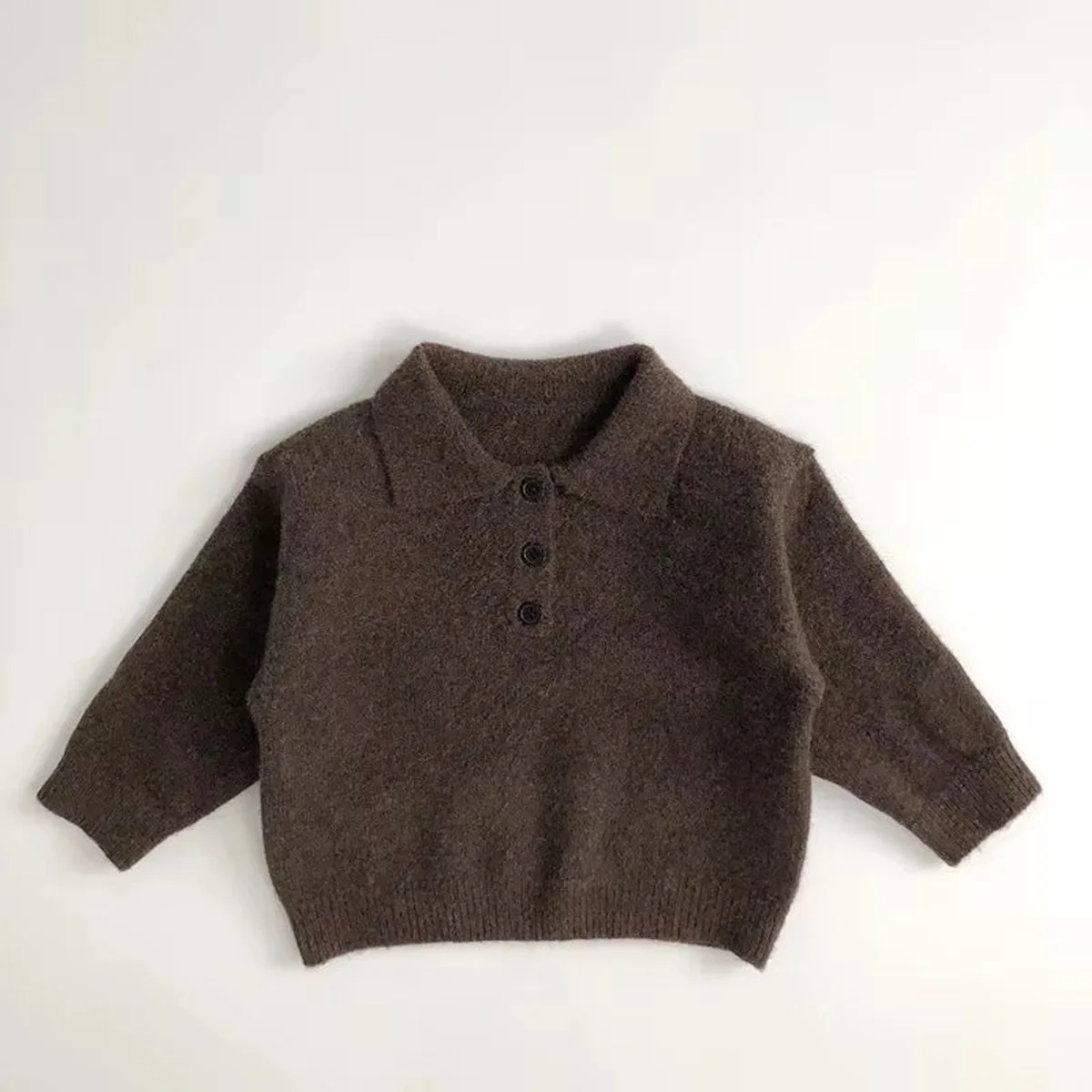
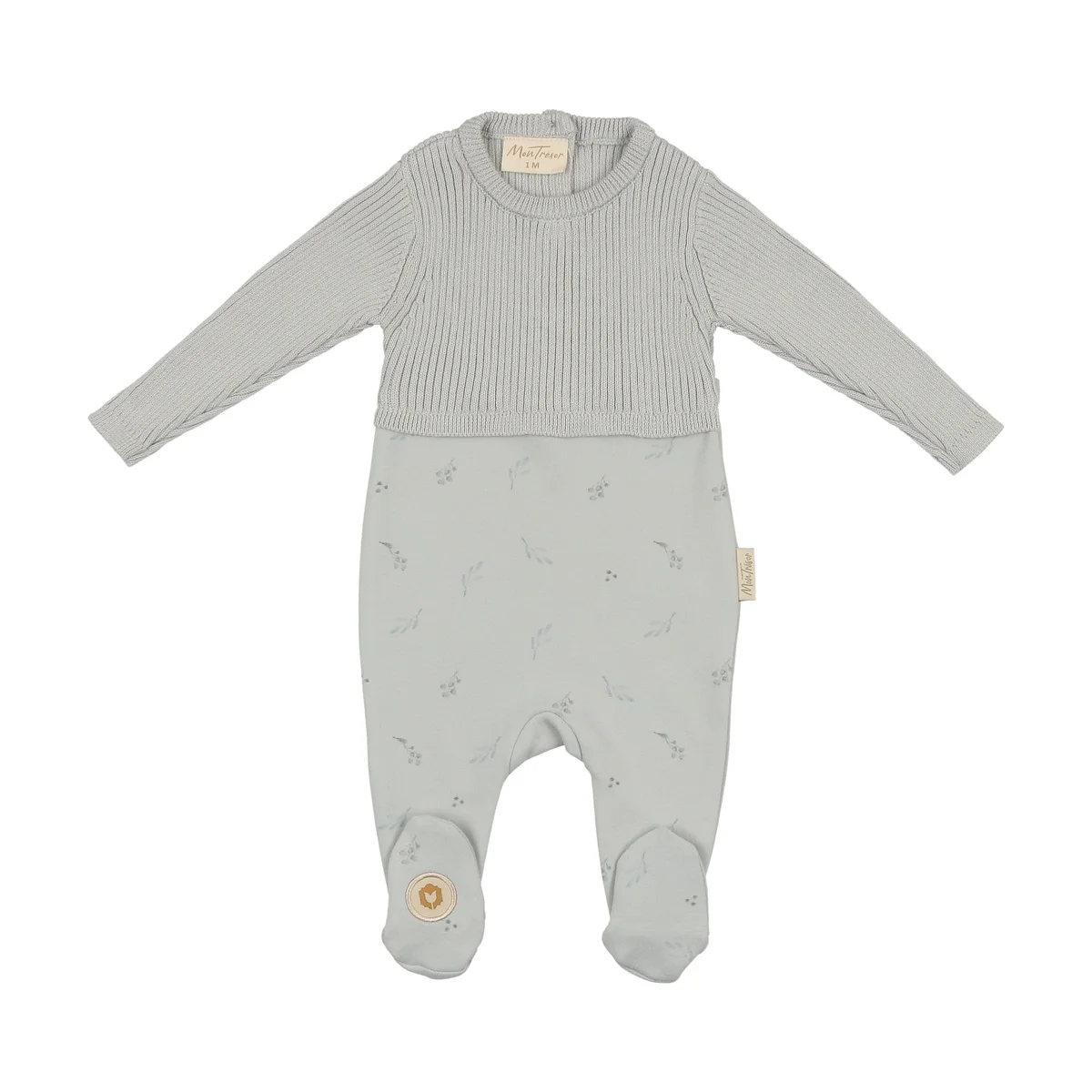
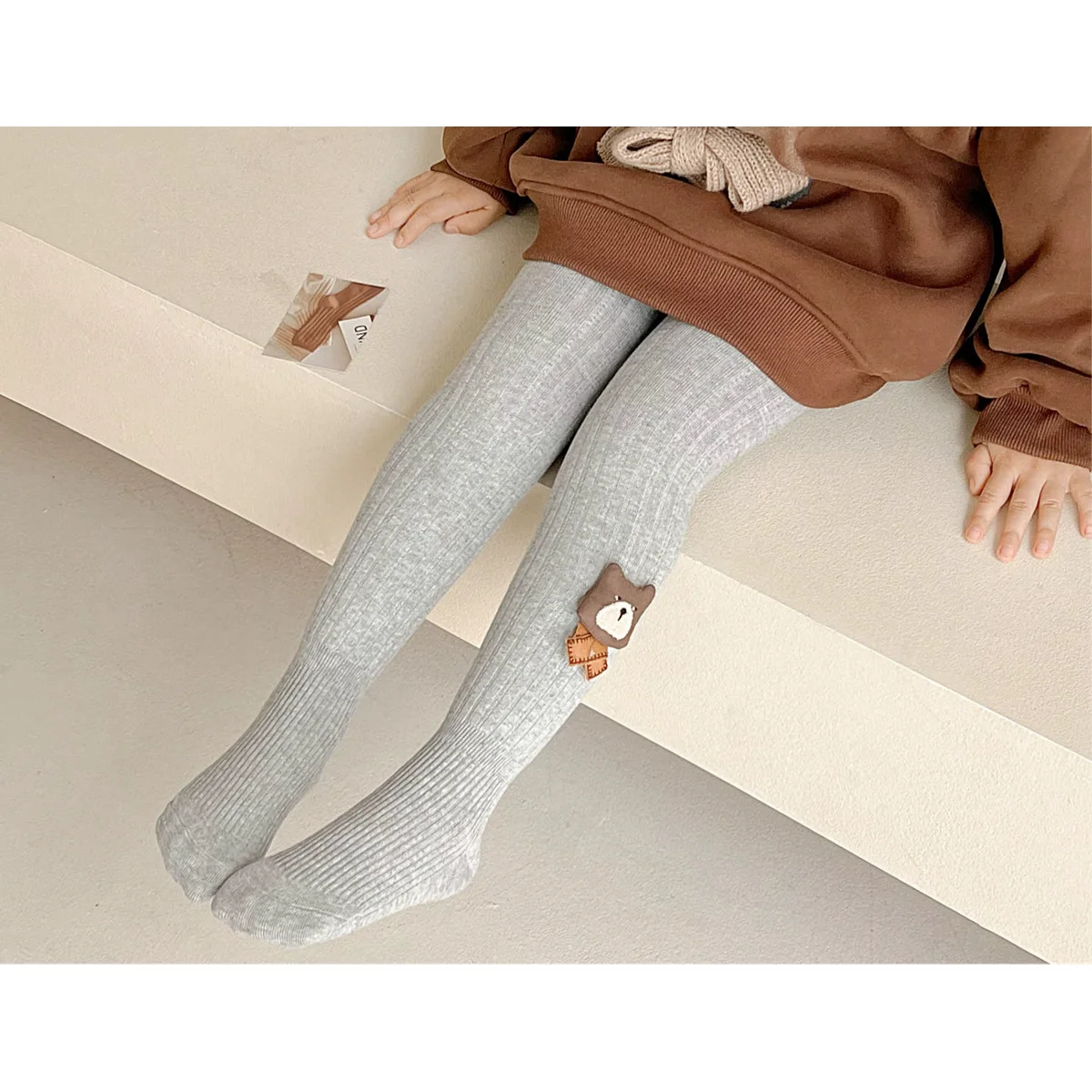
The maker's own age label is shown on every product; we do not add our own.
 Toddlers
 Toddlers

 Toddlers
 Toddlers

Written by Snugtot editors · updated Nov 13, 2026 · milestones after the CDC's "Learn the Signs. Act Early." program; sleep ranges from the AASM; feeding and vaccines from CDC and AAP guidance. General information, not medical advice; your pediatrician knows your child.