
Ages and stages / 5 years
Your 5-year-old
Five is a settled, chatty age. Many five-year-olds feel more sure of themselves and enjoy being helpful, following multi-step directions, and telling long stories that may wander a bit. Friendships become more about shared games and rules, and some children start to notice fairness and who is in or out. Feelings can still run high and fast, especially when tired or hungry, but many children now use words for upset before they reach for a fight. The big change this year is school, or the lead-up to it: new routines, new kids, and a first taste of being away from home for a good part of the day. Parents often notice the new vocabulary, the questions about how things work, and the pride in doing things independently. Every child moves at a different pace, so these are patterns, not a checklist.
Sleep
10–13 hours
in 24 hours, naps included; most have dropped the nap; quiet time instead.
Clothing size
5
40–45 lb. Kids' sizes are by height more than weight from here.
Car seat
Forward-facing with a harness until the seat's limit (often 40–65 lb), then a belt-positioning booster; always the back seat.
What most children do at 5 years
Most means about three in four, the CDC's framing. Many do these later and are fine; if several are missing, mention it at the next visit.
Moving
Most five-year-olds hop on one foot, skip, and catch a bounced ball with two hands. Many can dress and undress on their own, pour from a small pitcher, and cut along a line with safety scissors. Some are still building balance and coordination, and that range is normal.
Talking and understanding
Most children this age speak in full sentences of five or more words and tell a simple story with a beginning, middle, and end. Many can say their full name and address and follow three-step directions. Some still mix up tricky sounds, and some stutter briefly while their speech speeds up.
Social and feelings
Many five-year-olds take turns in games, share with some help, and show concern when a friend is hurt or sad. Most can separate from parents at school with a little coaxing. Some still prefer one close friend to a group, and some find rules and losing very hard.
Thinking and learning
Most children this age count to 20 or beyond, recognize some letters and numbers, and know their colors and basic shapes. Many understand that things can be sorted in more than one way and can name what comes next in a simple pattern. Some are just starting to read short words, and that timing varies widely.
Sleep and feeding
Sleep at 5 years
10–13 hours in 24, most have dropped the nap; quiet time instead.
Most five-year-olds need about 10 to 13 hours of sleep in 24, and most have dropped the daytime nap, so quiet time with books or puzzles often takes its place. Bedtime battles, nightmares, and night fears are common at this age and tend to come and go. A predictable wind-down routine with the same steps each night, and a calm, dim room, can make bedtime smoother for most families.
Ranges from the American Academy of Sleep Medicine, endorsed by the AAP. Under one: on the back, alone, in a bare crib.
Feeding at 5 years
Family food, 3 meals and 1–2 snacks. About 1,200–1,800 calories a day depending on age and activity, most of it from the family table. Milk 2–2.5 cups a day, water the rest. Breakfast matters for school; packed lunches that come home untouched are a signal, not a crime.
Most five-year-olds eat family food in three meals and one or two snacks, and many now eat what the family eats with less fuss. Appetite can swing from day to day, so looking at the week rather than a single meal helps. Practical tip: offer a choice between two healthy options, like apple slices or carrot sticks, so your child feels in charge while you set what is offered.
Loading the CDC data… Add your state to see your own.
Weight and length against the CDC charts for this age: check the percentile → A percentile is a position, not a grade; the curve over visits is what your pediatrician watches.
Vaccines due around now
- Flu (every fall)
From the CDC child immunization schedule; your pediatrician's record is the one that counts. Full schedule →
Health at 5 years
Colds, sore throats, and the occasional stomach bug are common at this age, since children are now around other kids at school. Growth continues at a steady pace, with some children showing short bursts of growth that can cause a flurry of hungry or tired days. Well-child visits typically happen once a year at this age, and they are a good time to review vision, hearing, teeth, and development with your pediatrician.
Worth a call to the pediatrician- Call if your child has trouble speaking clearly, or if strangers cannot understand most of what they say.
- Call if your child shows little interest in other children or in pretend play, or seems very withdrawn for weeks.
- Call if your child has repeated sudden loss of skills they once had, or new trouble with walking, balance, or hand use.
A fever of 100.4°F or more in a baby under 3 months is always a same-day call. Poison Control: 1-800-222-1222.
Play and safety
Things to do together
- Play store together, with a shopping list written or drawn, and take turns being the cashier and the customer.
- Go on a nature walk and look for five things of one color, then count them and talk about what you found.
- Play a simple board game with rules, practicing taking turns, counting spaces, and being a good sport when you lose.
- Build a fort with blankets and cushions, then read a favorite story inside it together with a flashlight.
Toys that fit this age
LEGO-style sets · Science and STEM kits · Chapter books and early readers · Board games with strategy
Safety at exactly this age
- Five-year-olds can climb higher and move faster, so keep furniture anchored to walls, and check that playground equipment is sized for their age.
- Button batteries, small magnets, and tiny toy parts can now be reached and sometimes swallowed, so store them well out of sight and reach.
- Swimming and water near homes remain a major risk; stay within arm's reach of your child whenever they are in or near water.
Recent toy and children's product recalls
CHE-US Magnetic Robot Toys · U.S. CPSC · Nov 19
Fidlock Hermetic Dry Bags · Fidlock GmbH, of Hannover, Germany · Nov 19
Qpancy Children’s Pajama Sets · U.S. CPSC · Nov 19
Kakgold 4WD Stunt Vehicle Toys · U.S. CPSC · Nov 12
Questions parents ask at 5 years
How much sleep does a 5-year-old need?
Most five-year-olds need about 10 to 13 hours of sleep in 24, usually a single night's sleep with no daytime nap. Many children move to quiet time with books or puzzles instead. Bedtime fears, nightmares, and short wakeups are common and often pass with a steady routine and reassurance.
Should my 5-year-old still take a nap?
Many five-year-olds have dropped the nap, though some still need one. If your child seems fine at bedtime without it, a quiet time is often enough. If bedtime is a struggle or they seem exhausted by afternoon, you might talk with your pediatrician about it.
What should a 5-year-old be eating?
Most five-year-olds eat three meals and one or two snacks, mostly from the family table. They generally need about 1,200 to 1,800 calories a day, depending on size and activity, with about two to two and a half cups of milk and water for the rest of their drinks. Breakfast helps with school, and a lunch that comes home uneaten is common.
How much screen time is okay for a 5-year-old?
Guidance from the AAP suggests keeping screen time to about an hour a day of high-quality programming for children this age, watched with a parent when possible. Many families find that screens work best when they have set times and do not replace sleep, meals, or active play. Every family's balance looks a little different.
What should my 5-year-old know before starting kindergarten?
Many children starting kindergarten can count to 20, recognize some letters, and follow simple directions. They often can dress themselves, use the bathroom on their own, and separate from a parent with some support. Skills vary a lot, and most schools expect children to keep learning there rather than arrive already knowing everything.
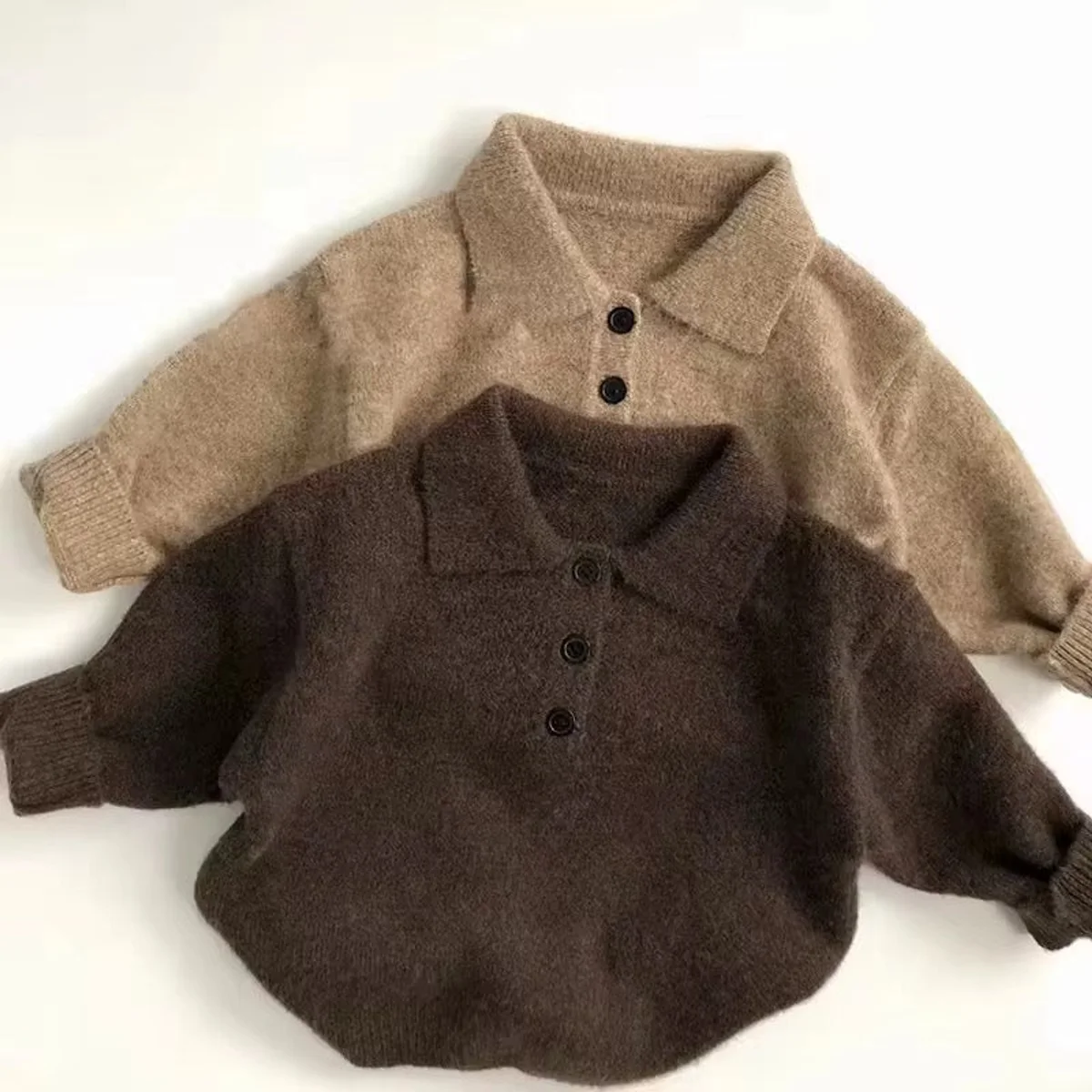
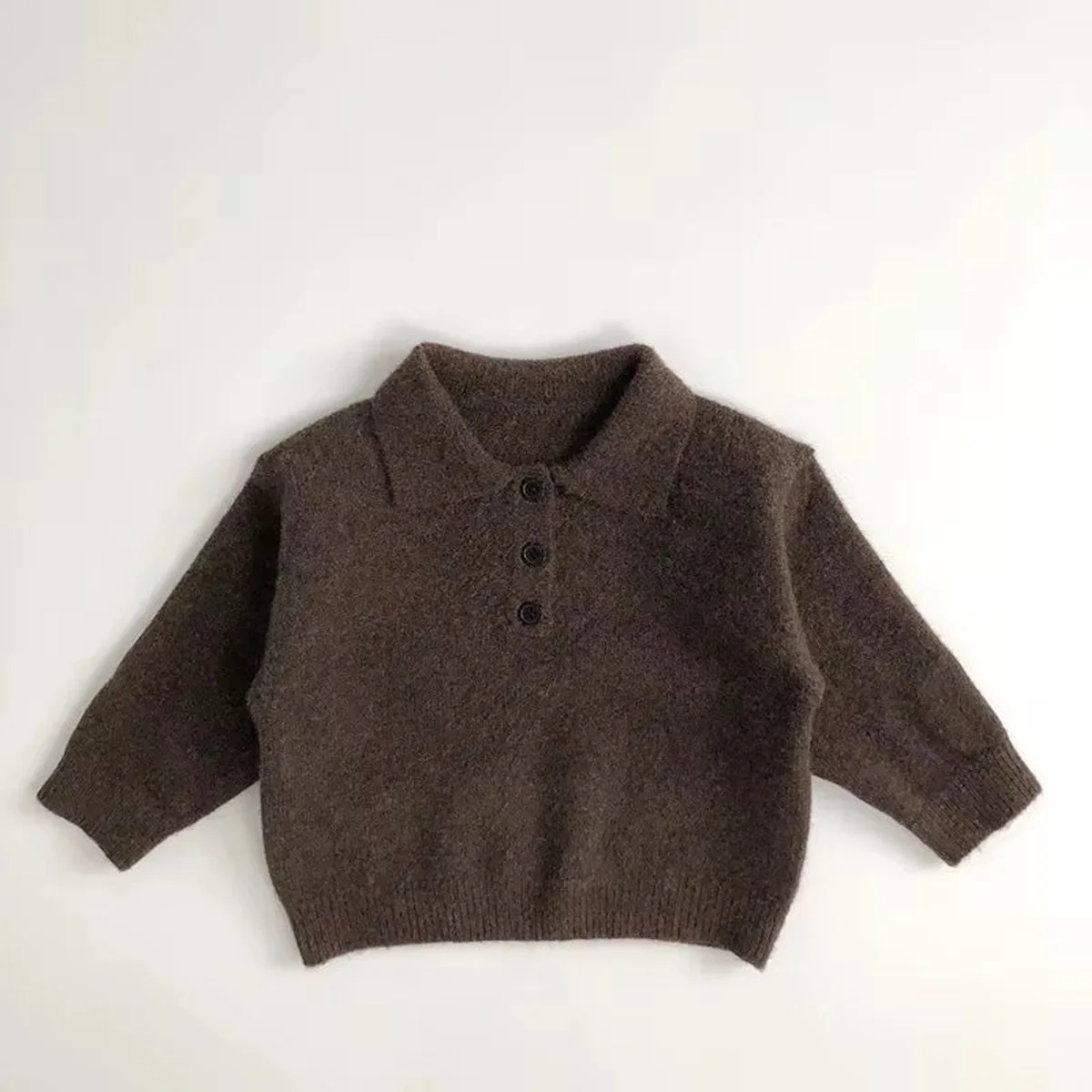
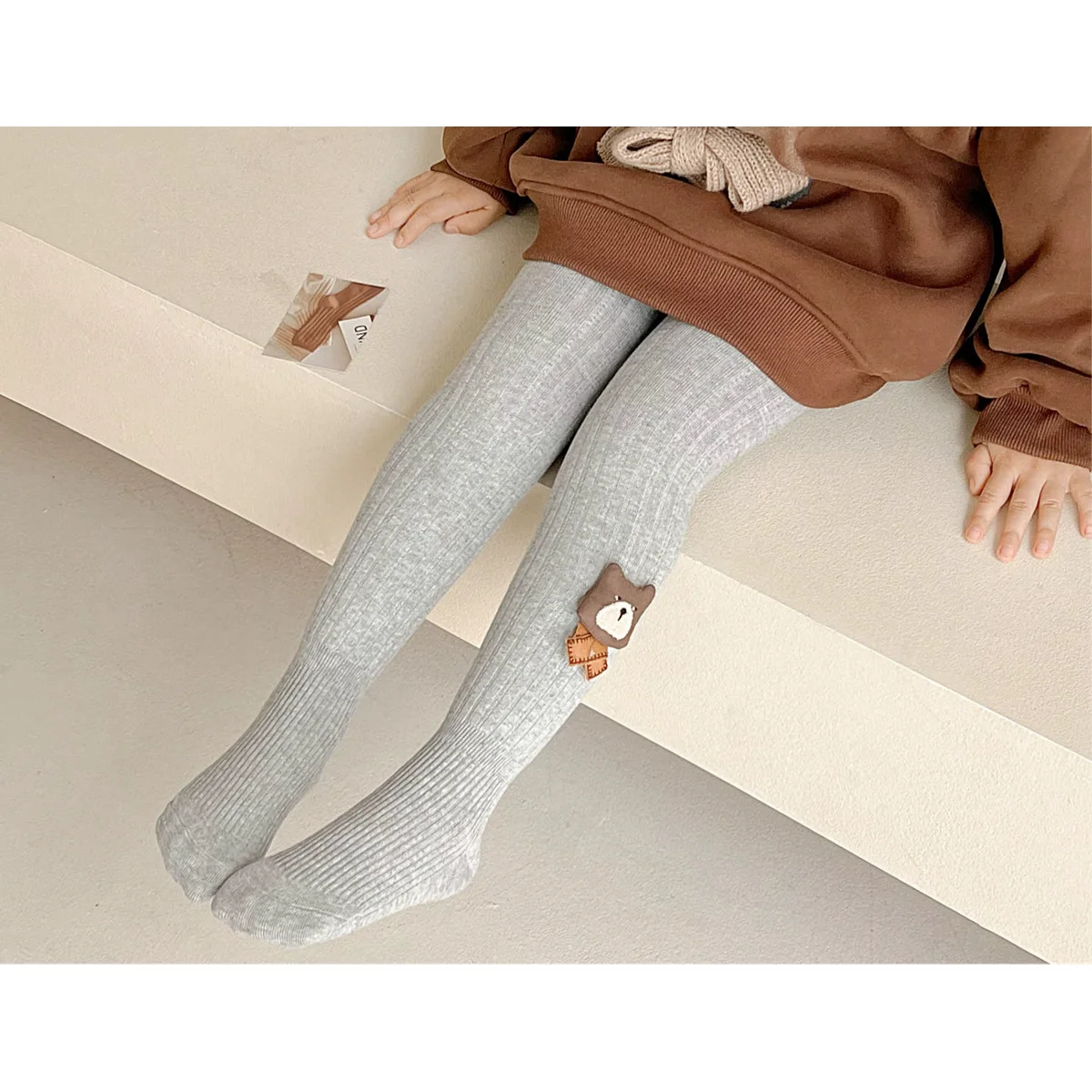
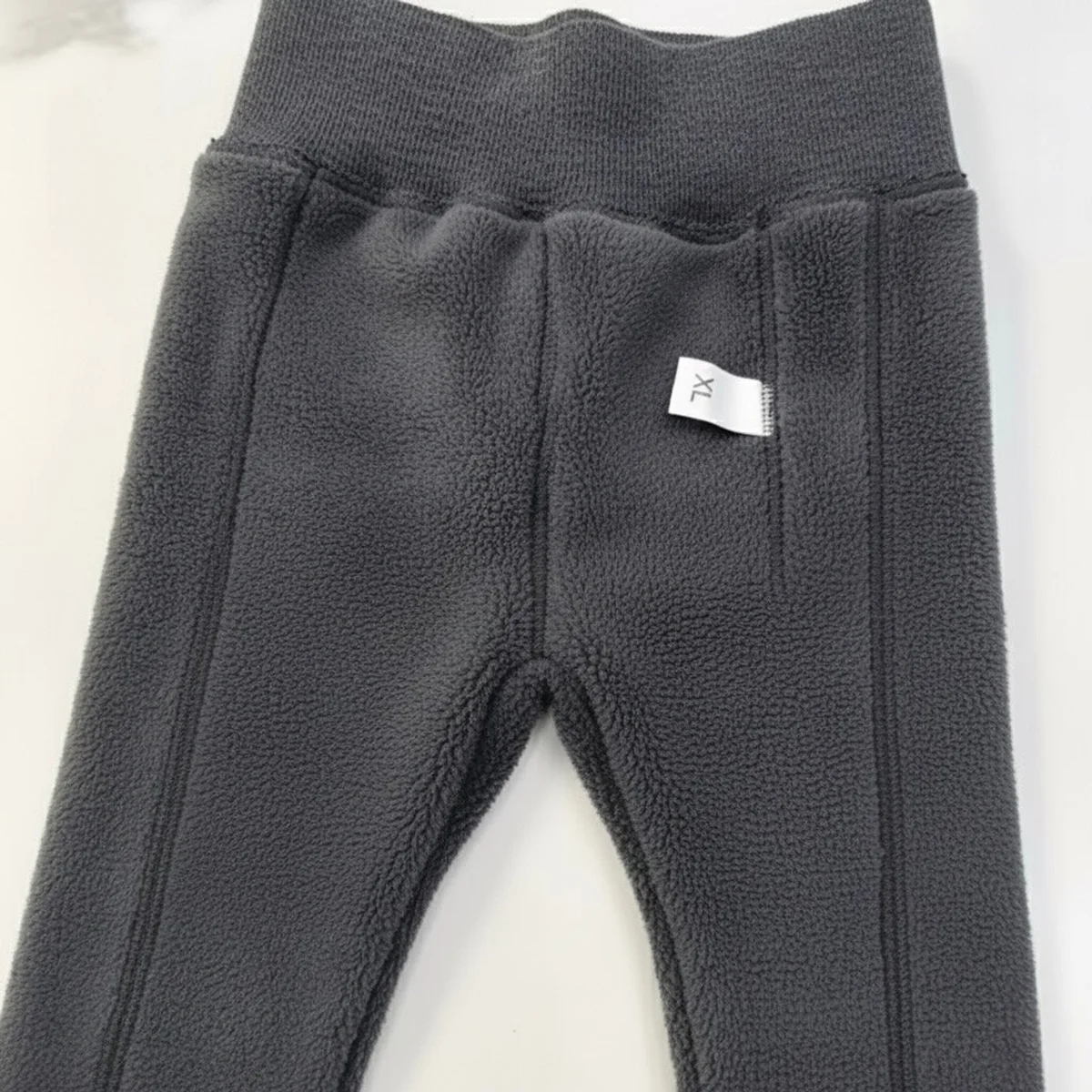
Picks for a 5-year-old
The maker's own age label is shown on every product; we do not add our own.
 Toddlers
 Toddlers

 Toddlers
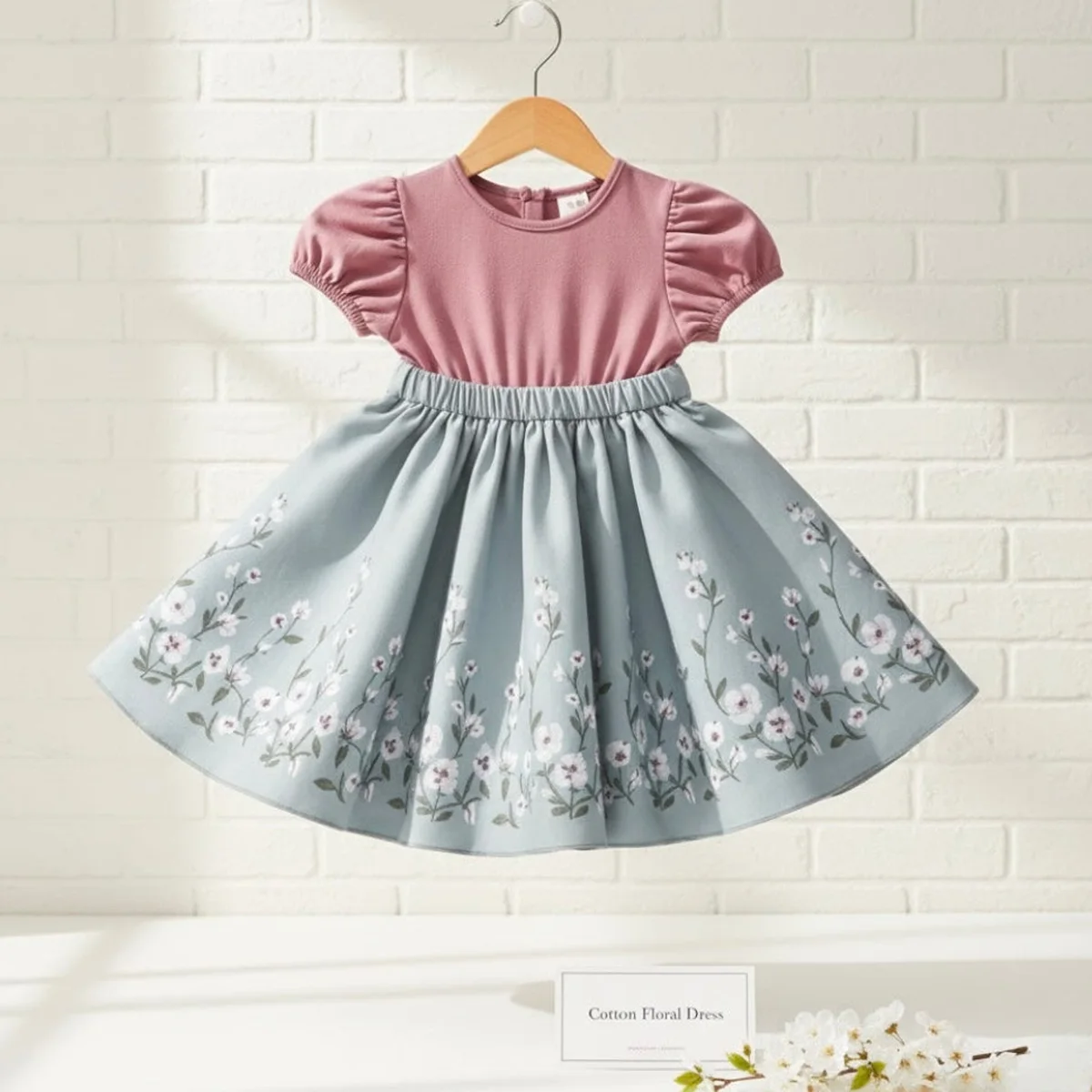 Toddlers
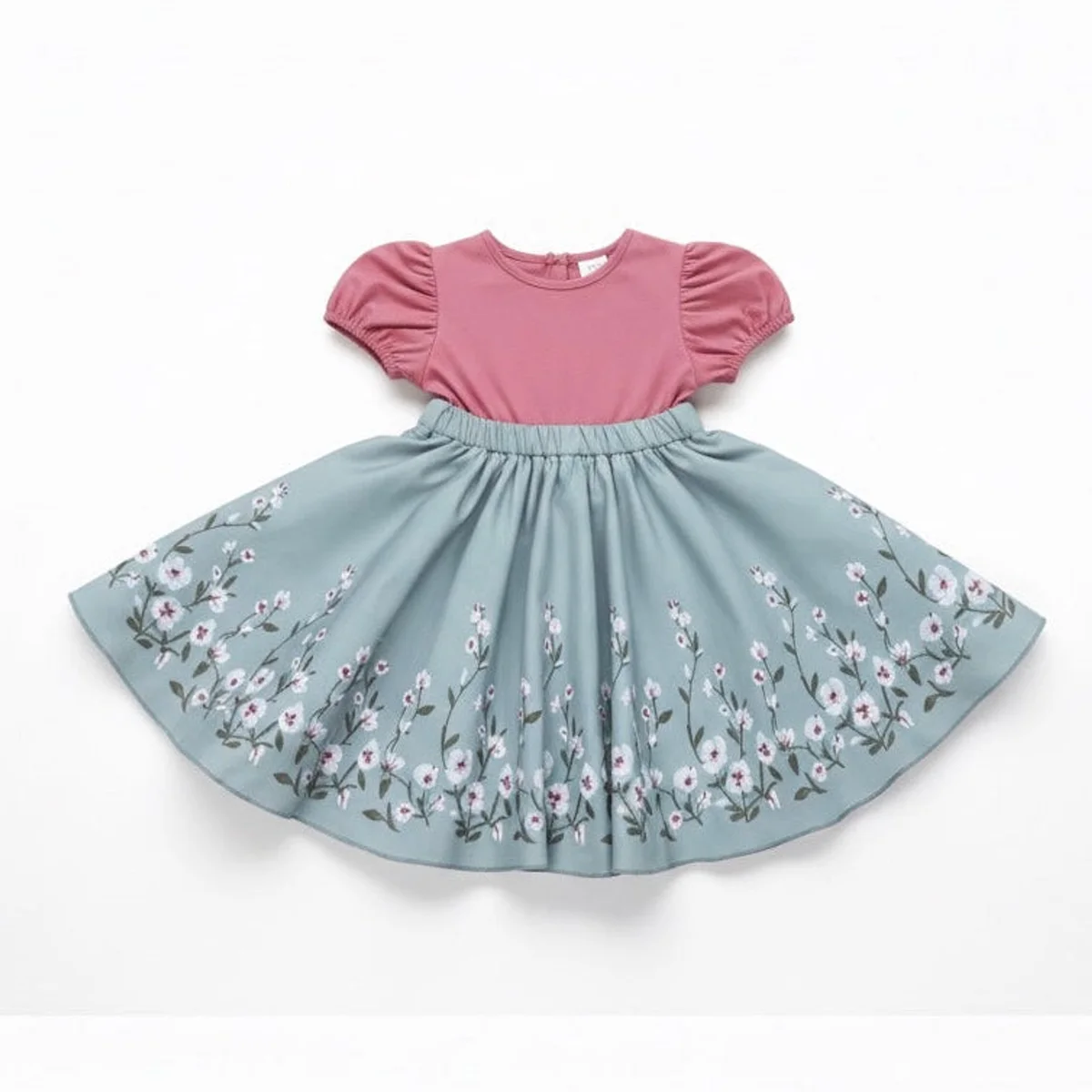
Written by Snugtot editors · updated Nov 13, 2026 · milestones after the CDC's "Learn the Signs. Act Early." program; sleep ranges from the AASM; feeding and vaccines from CDC and AAP guidance. General information, not medical advice; your pediatrician knows your child.