
Ages and stages / 6 years
Your 6-year-old
Six is a steady, sturdy age for many children. The big change this year is the start of school, which brings new routines, longer days, and a first real sense of being measured against others. Many six-year-olds are eager to show what they know, want to be fair and follow rules, and can be very proud of finishing a task on their own. Others feel tired by the end of the day and need quiet time to come back to themselves. Parents often notice first how their child handles friendships, how they talk about school, and whether they can sit still for a story or a worksheet. Emotions can still run big and fast, especially when tired or hungry, but many children are starting to name feelings and recover more quickly. Their humor gets more playful, and they often love jokes, riddles, and making up rules for games.
Sleep
9–12 hours
in 24 hours, naps included; no nap.
Clothing size
6–7 (kids)
by height. Check the maker's height chart; brands differ more than in baby sizes.
Car seat
Forward-facing with a harness until the seat's limit (often 40–65 lb), then a belt-positioning booster; always the back seat.
What most children do at 6 years
Most means about three in four, the CDC's framing. Many do these later and are fine; if several are missing, mention it at the next visit.
Moving
Most children this age run and jump with more control, hop on one foot, skip, and ride a bike with or without training wheels. Many can catch a bounced ball, use scissors to cut along a line, and print letters with a pencil. Fine motor skills keep improving, and tying shoes may come at some point this year. Timing varies widely from child to child.
Talking and understanding
Most six-year-olds speak in full, detailed sentences and tell longer stories with a beginning, middle, and end. Many can follow multi-step directions, ask questions about how things work, and use words like because, if, and but. Reading and writing skills are growing quickly, and some children start to read simple books on their own. Some children take more time to reach these goals, and that is common.
Social and feelings
Many six-year-olds care a lot about friends, fairness, and rules, and they may tattle or argue over who is right. Most can take turns in games, share with some reminders, and begin to understand that others have different feelings. Some children prefer one or two close friends, while others enjoy group play. Individual temperament shapes how social a child is.
Thinking and learning
Most children this age can sort objects by more than one feature, count and add small numbers, and begin to understand time, like yesterday and next week. Many can focus on a task for 15 to 20 minutes and plan simple steps to finish a project. Memory and attention grow steadily, though distractibility is still normal. Every child's pace differs.
Sleep and feeding
Sleep at 6 years
9–12 hours in 24, no nap.
Most six-year-olds need about 9 to 12 hours of sleep in a 24-hour period, with no daytime nap. Bedtime battles often come up as school schedules get busier, and some children have bad dreams or fears of the dark. A regular wind-down routine, such as a bath, pajamas, and a short book, can help the whole family settle in.
Ranges from the American Academy of Sleep Medicine, endorsed by the AAP. Under one: on the back, alone, in a bare crib.
Feeding at 6 years
Family food, 3 meals and 1–2 snacks. About 1,200–1,800 calories a day depending on age and activity, most of it from the family table. Milk 2–2.5 cups a day, water the rest. Breakfast matters for school; packed lunches that come home untouched are a signal, not a crime.
Most six-year-olds eat three meals and one or two snacks a day, mostly from the family table. They need roughly 1,200 to 1,800 calories a day, depending on their size and activity, and about 2 to 2.5 cups of milk daily with water for the rest. A good breakfast helps school days go well. If packed lunches come home mostly untouched, try letting your child choose between two foods you already offer.
Vaccines due around now
- Flu (every fall)
From the CDC child immunization schedule; your pediatrician's record is the one that counts. Full schedule →
Health at 6 years
Colds and sore throats are common at this age, especially with school exposure. Some children lose baby teeth and get their first permanent molars around this time, and many have growth spurts that show up as sleepy or hungry days. Regular well visits with the pediatrician track growth, vision, hearing, and development. Handwashing and enough sleep help a lot.
Worth a call to the pediatrician- Your child has trouble running, hopping, or using their hands for simple tasks, or they seem to have lost skills they once had.
- Your child does not speak in full sentences or is very hard for others to understand, or seems to lose words they used to say.
- Your child shows little interest in other children, avoids eye contact, or has very frequent and intense meltdowns that do not ease over time.
A fever of 100.4°F or more in a baby under 3 months is always a same-day call. Poison Control: 1-800-222-1222.
Play and safety
Things to do together
- Set up a simple obstacle course in the yard or living room and time each run together.
- Play a board game with taking turns and simple rules, and let your child explain the rules to you.
- Take a nature walk and have your child collect three different leaves or rocks to describe at home.
- Bake or cook a simple recipe together, letting your child measure, count, and stir.
Toys that fit this age
LEGO-style sets · Science and STEM kits · Chapter books and early readers · Board games with strategy
Safety at exactly this age
- Children this age can ride bikes and scooters on the street, so a helmet that fits well and practice stopping and looking for cars matter most.
- Their new independence means they may walk to school or the bus stop, so review road crossings and who they should tell if they feel lost.
- They can now climb high on playground equipment and trees, so check that surfaces underneath are soft and that they know how to come down safely.
Recent toy and children's product recalls
CHE-US Magnetic Robot Toys · U.S. CPSC · Nov 19
Fidlock Hermetic Dry Bags · Fidlock GmbH, of Hannover, Germany · Nov 19
Qpancy Children’s Pajama Sets · U.S. CPSC · Nov 19
Kakgold 4WD Stunt Vehicle Toys · U.S. CPSC · Nov 12
Questions parents ask at 6 years
How much sleep does a 6-year-old need?
Most six-year-olds need about 9 to 12 hours of sleep in 24 hours, with no nap. Some children need more after a busy school week. A steady bedtime and wake time helps. If your child seems tired, grumpy, or hard to wake most mornings, it may be worth looking at bedtime and screen habits.
Is it normal for my 6-year-old to be picky about food?
Yes, many six-year-olds are picky, and food preferences change often. Keep offering a variety of foods at family meals without pressure, and let your child serve themselves small portions. Repeated exposure over time often helps. Look at the whole week rather than one meal.
How much screen time is okay for a 6-year-old?
The AAP suggests keeping screen time consistent and limited, with a focus on quality content and plenty of time for sleep, play, and family. Many families set clear times for screens and keep devices out of bedrooms. Talk with your child about what they watch and play.
When will my child lose their baby teeth?
Many children start losing baby teeth around age six, beginning with the bottom front teeth, and first permanent molars often come in behind the baby teeth at the back. Timing varies a lot. Regular dental checkups help track progress and keep teeth healthy.
My 6-year-old is having tantrums at school. What can I do?
Many six-year-olds have big feelings after a full school day. Try a calm after-school snack, quiet time, and a short check-in about the day. Name feelings for your child and help them practice simple ways to calm down. If the problem continues or grows, talk with your pediatrician or your child's teacher.
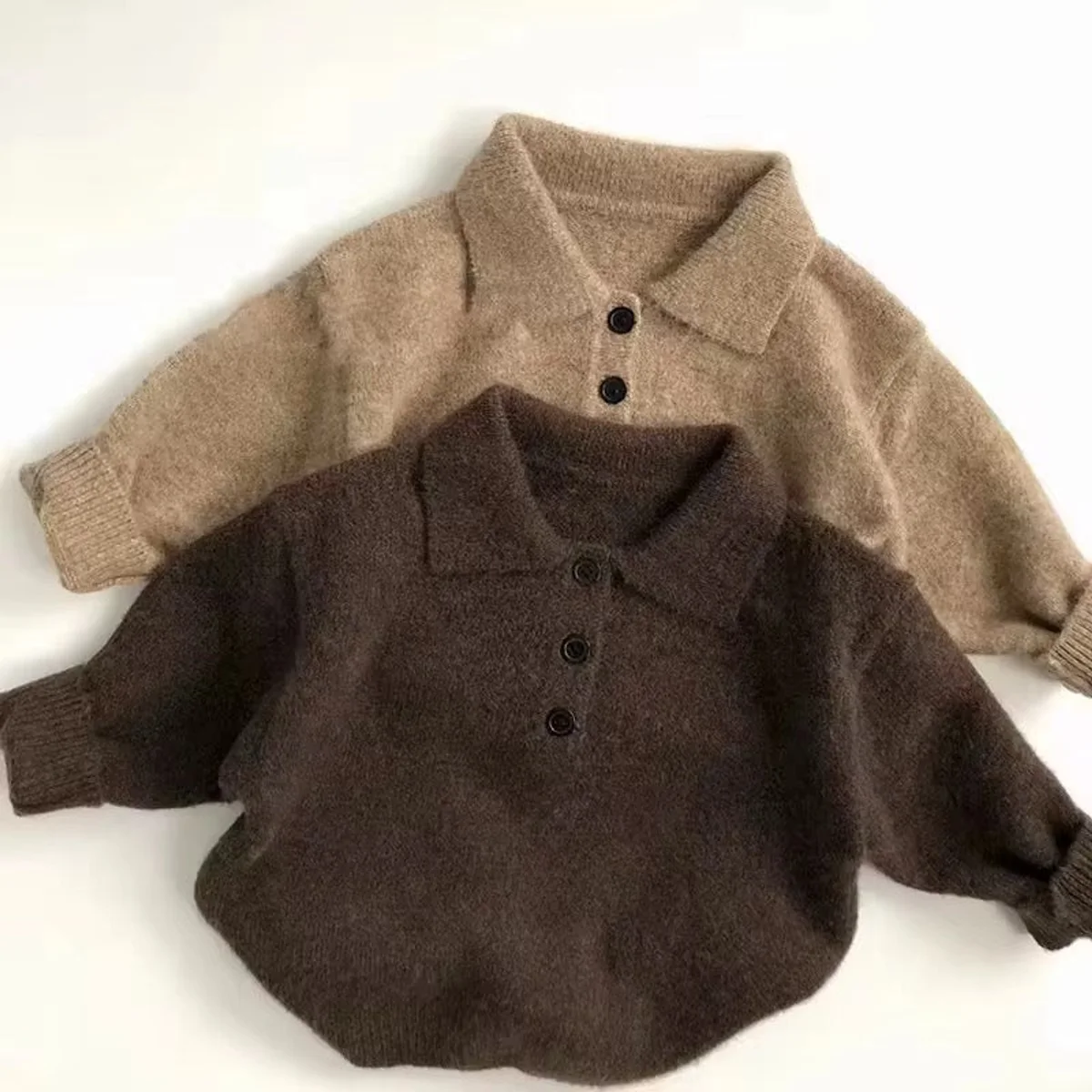
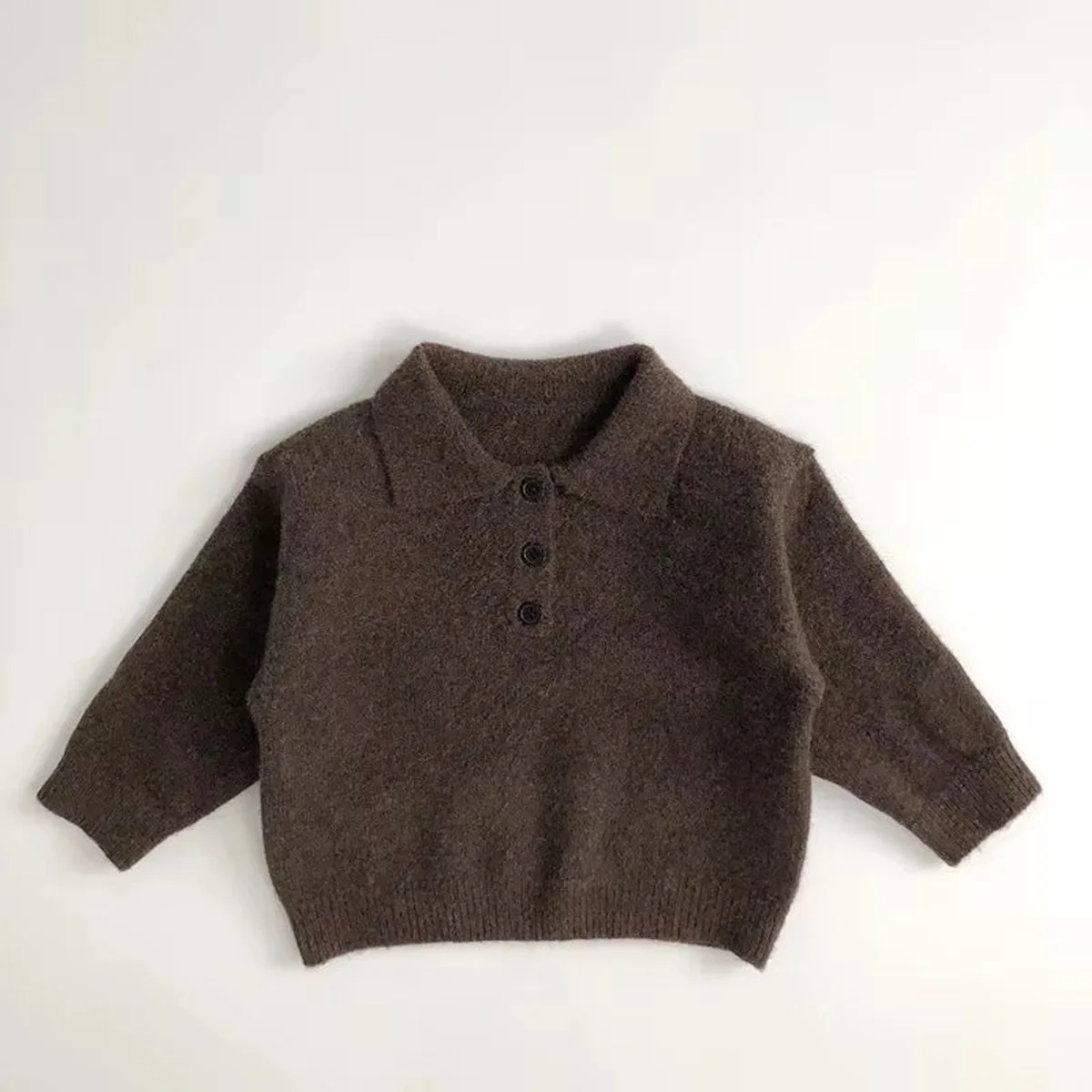
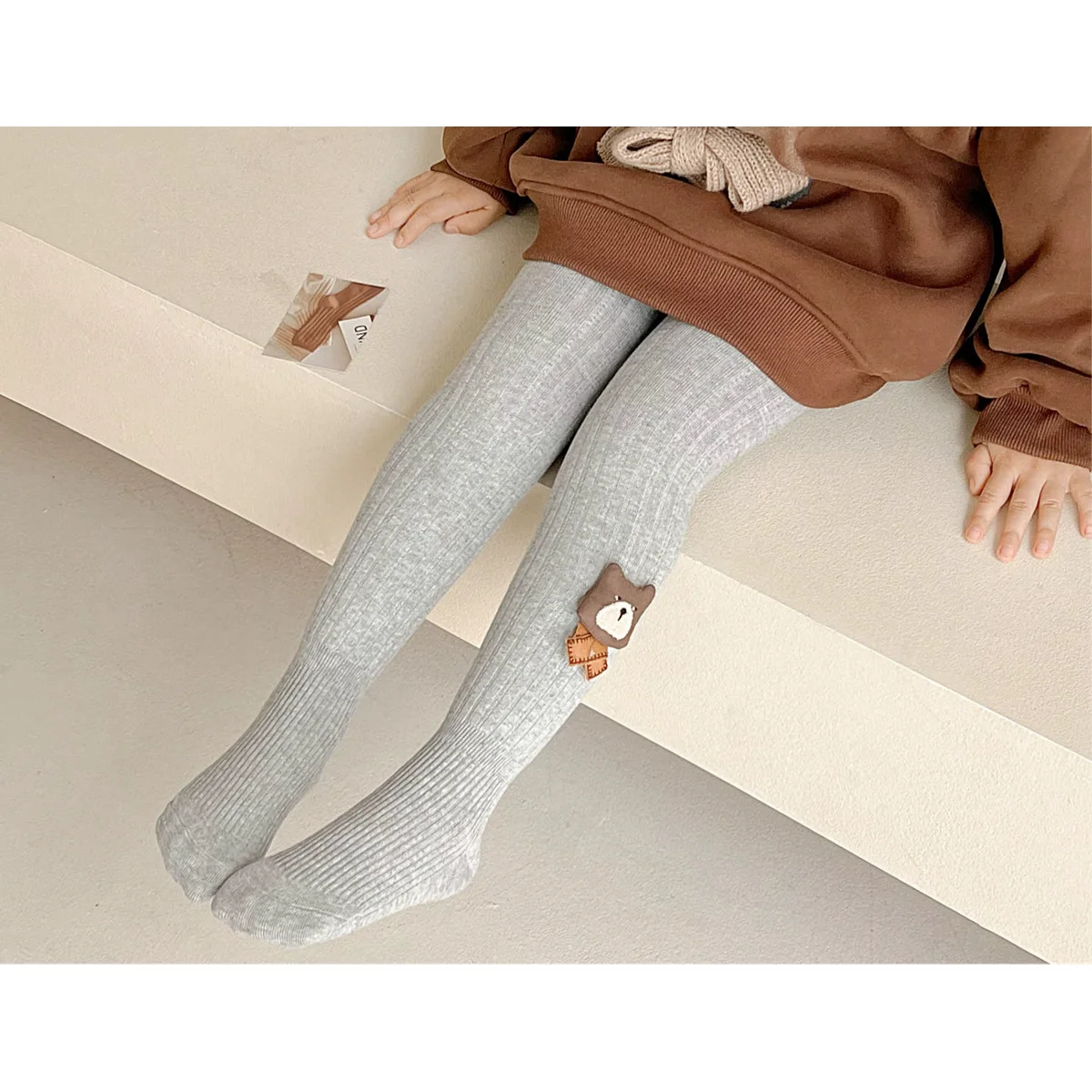
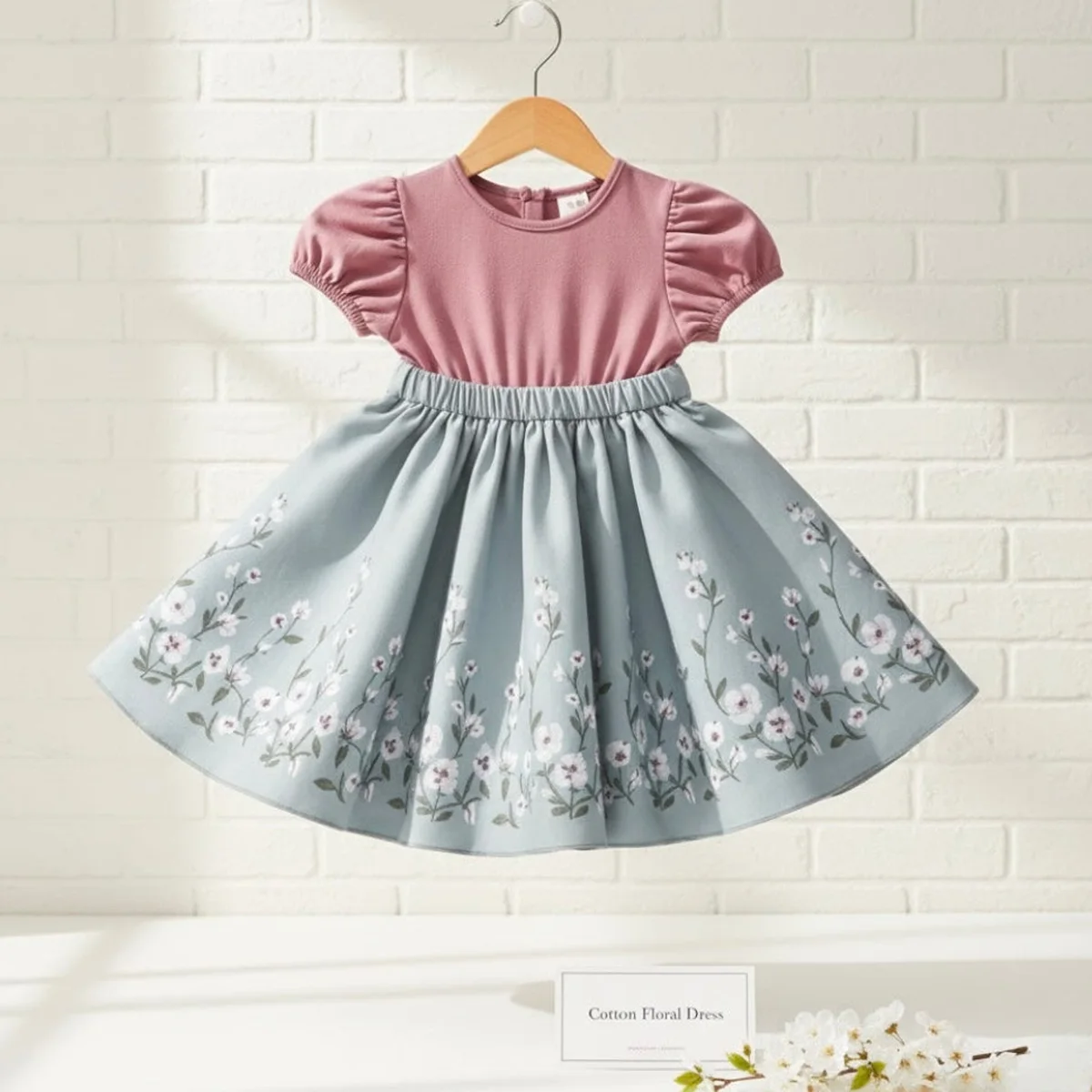
Picks for a 6-year-old
The maker's own age label is shown on every product; we do not add our own.
 Toddlers
 Toddlers

 Toddlers

 Toddlers

Written by Snugtot editors · updated Nov 13, 2026 · milestones after the CDC's "Learn the Signs. Act Early." program; sleep ranges from the AASM; feeding and vaccines from CDC and AAP guidance. General information, not medical advice; your pediatrician knows your child.