
Ages and stages / 7 years
Your 7-year-old
Seven is often a steadier, more settled year. Many 7-year-olds are learning to manage school days, friendships, and homework with more independence, and they tend to be more cooperative than they were at five or six. The big change this year is usually school itself: reading becomes more fluent, math moves past counting, and children start to compare themselves with classmates. Parents often notice first a new sense of fairness, a sharper sense of humor, and a child who wants to be trusted with more. Some children also become more sensitive to criticism, so warm, specific feedback tends to land well. Every child's timing is different, so use these patterns as a general picture rather than a checklist.
Sleep
9–12 hours
in 24 hours, naps included; no nap.
Clothing size
7–8 (kids)
by height. Check the maker's height chart; brands differ more than in baby sizes.
Car seat
Forward-facing with a harness until the seat's limit (often 40–65 lb), then a belt-positioning booster; always the back seat.
What most children do at 7 years
Most means about three in four, the CDC's framing. Many do these later and are fine; if several are missing, mention it at the next visit.
Moving
Most 7-year-olds run and climb with good coordination, ride a bike with confidence, and handle buttons, zippers, and pencils with much more control. Many can jump rope, catch a ball reliably, and write neatly for longer stretches. Some are still refining handwriting speed and sports skills, which is typical.
Talking and understanding
Most 7-year-olds read simple chapter books, write short paragraphs, and explain events in order. Many use longer sentences with details and can retell a story. Some still mix up tricky words or need extra time with spelling, and growth in these areas is gradual.
Social and feelings
Most 7-year-olds care a lot about friendships, follow group rules, and can take turns in games. Many handle disappointment better and can apologize when prompted. Some still find losing hard or prefer one close friend to a big group, which is common.
Thinking and learning
Most 7-year-olds can add and subtract with larger numbers, understand time on a clock, and think through simple cause and effect. Many plan a small task step by step and enjoy puzzles and games with rules. Some still think in very concrete terms and need examples to grasp new ideas.
Sleep and feeding
Sleep at 7 years
9–12 hours in 24, no nap.
Most 7-year-olds need about 9 to 12 hours of sleep in a 24-hour period, with no nap. Bedtimes can drift later with homework and activities, so a consistent wind-down routine helps. Many children this age have trouble falling asleep when they are worried about school or friends, so a short, calm talk before lights out can make a real difference. Keep screens out of the bedroom if possible.
Ranges from the American Academy of Sleep Medicine, endorsed by the AAP. Under one: on the back, alone, in a bare crib.
Feeding at 7 years
Family food, 3 meals and 1–2 snacks. About 1,200–1,800 calories a day depending on age and activity, most of it from the family table. Milk 2–2.5 cups a day, water the rest. Breakfast matters for school; packed lunches that come home untouched are a signal, not a crime.
Most 7-year-olds eat three meals and one or two snacks a day, with most of their food coming from the family table. They need roughly 1,200 to 1,800 calories a day depending on age and activity, and about two to two and a half cups of milk, with water for the rest of their drinks. Breakfast matters for school focus, so a simple morning meal helps. Packed lunches that come home untouched are worth noticing, but they are often a sign of time pressure or preference rather than a problem. Try asking what they liked, and let them help choose items.
Vaccines due around now
- Flu (every fall)
From the CDC child immunization schedule; your pediatrician's record is the one that counts. Full schedule →
Health at 7 years
At 7, colds and sore throats are still common, and children typically catch several a year as they spend time in school. Some have growing pains in their legs, most often at night, which are usually harmless. Permanent teeth are coming in, and losing baby teeth is a normal part of this age. Yearly well-child visits are a good time to check growth, vision, hearing, and vaccines. Regular brushing and flossing support healthy gums as adult teeth arrive.
Worth a call to the pediatrician- Frequent or ongoing headaches, stomachaches, or tiredness that keep your child from school or play.
- Noticeable trouble with reading, writing, or following directions that does not improve with practice and support.
- Big changes in mood, sleep, or appetite, including ongoing sadness, worry, or withdrawal from friends and activities.
A fever of 100.4°F or more in a baby under 3 months is always a same-day call. Poison Control: 1-800-222-1222.
Play and safety
Things to do together
- Play a board game with rules and turn-taking, then let your child explain the rules back to you to build confidence.
- Go on a neighborhood scavenger hunt with a list of things to find, and have your child keep score and lead the way.
- Bake something together from a recipe, letting your child read the steps aloud and measure ingredients.
- Build a fort or obstacle course in the backyard, and take turns designing the challenges for each other.
Toys that fit this age
LEGO-style sets · Science and STEM kits · Chapter books and early readers · Board games with strategy
Safety at exactly this age
- Bike riding and scooter use now involve traffic. Helmets should fit well, and practicing hand signals and stopping on quiet streets helps build safe habits.
- Water safety matters more as children gain confidence. Even strong swimmers need an adult watching closely at pools, lakes, and bathtubs.
- Many 7-year-olds can reach kitchen counters and stovetops. Keep hot liquids, knives, and cleaning products stored well out of reach and use back burners.
Recent toy and children's product recalls
CHE-US Magnetic Robot Toys · U.S. CPSC · Nov 19
Fidlock Hermetic Dry Bags · Fidlock GmbH, of Hannover, Germany · Nov 19
Qpancy Children’s Pajama Sets · U.S. CPSC · Nov 19
Kakgold 4WD Stunt Vehicle Toys · U.S. CPSC · Nov 12
Questions parents ask at 7 years
How much sleep does a 7-year-old need?
Most 7-year-olds need about 9 to 12 hours of sleep in 24 hours, without a nap. Keeping a steady bedtime and wake time, even on weekends, helps most children feel rested and focused at school. If your child seems tired during the day or struggles to wake up, it may be worth looking at bedtime habits.
Is my 7-year-old eating enough at school?
Most 7-year-olds eat three meals and one or two snacks a day, and they need about 1,200 to 1,800 calories depending on age and activity. Lunches that come home partly eaten are common and do not always mean a problem. Try asking what they enjoyed, and offer a filling breakfast before school.
How much screen time is okay for a 7-year-old?
Pediatric guidance generally suggests consistent limits that leave room for sleep, homework, physical play, and family time. Many families set screen time after homework and keep devices out of bedrooms overnight. Watching or playing together can make screen time more of a shared activity.
My 7-year-old still has tantrums. Is that normal?
Some children this age still have big emotions, especially when tired, hungry, or upset about school or friends. Calm, predictable responses and naming feelings often help over time. If outbursts are frequent, intense, or getting worse, talk with your pediatrician for support.
When should my child be reading independently?
Many 7-year-olds read simple chapter books on their own, though the pace varies widely. Daily reading together, even a few minutes, supports growth whether your child is just starting or already reading well. If your child is struggling noticeably, bring it up with their teacher and pediatrician early.
Picks for a 7-year-old
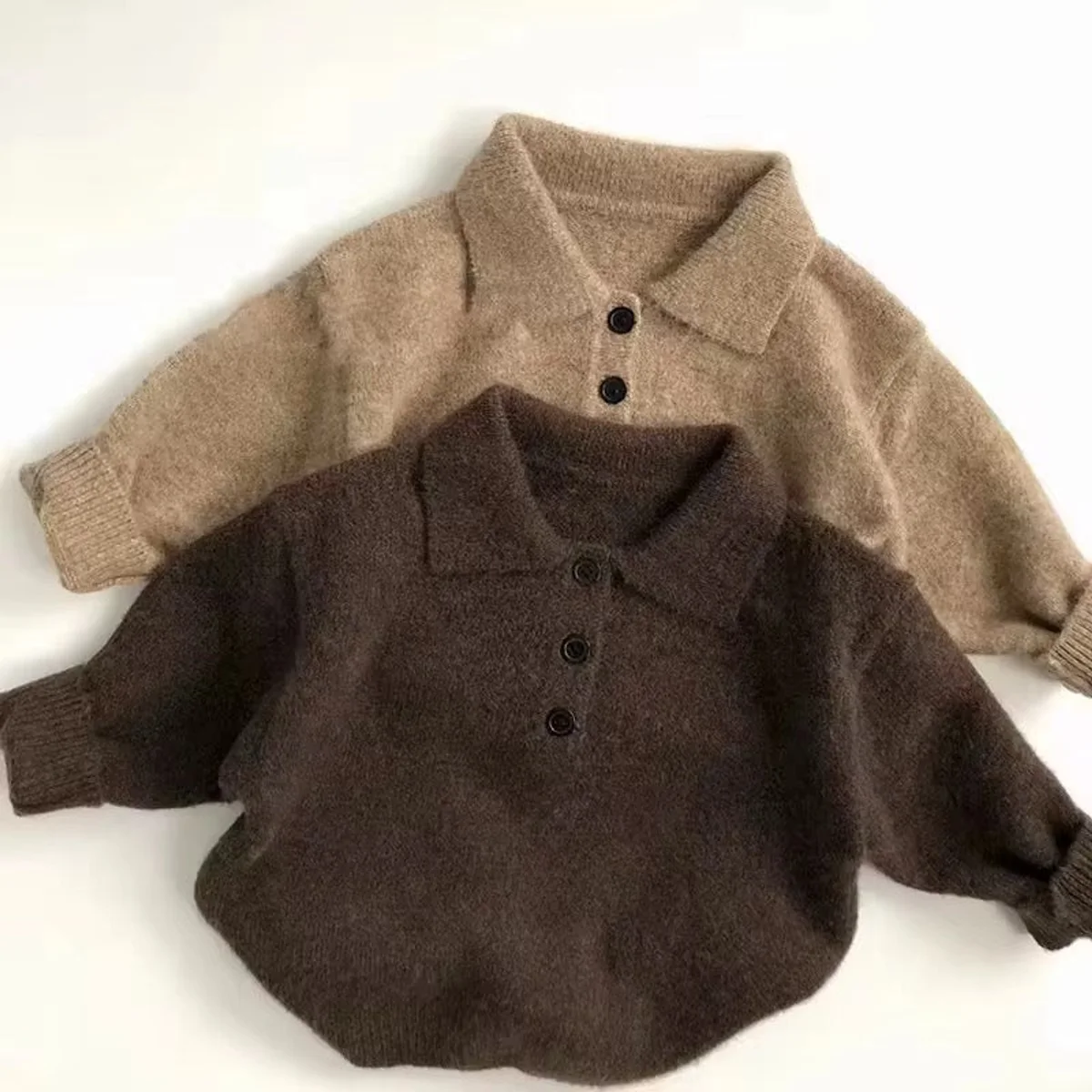
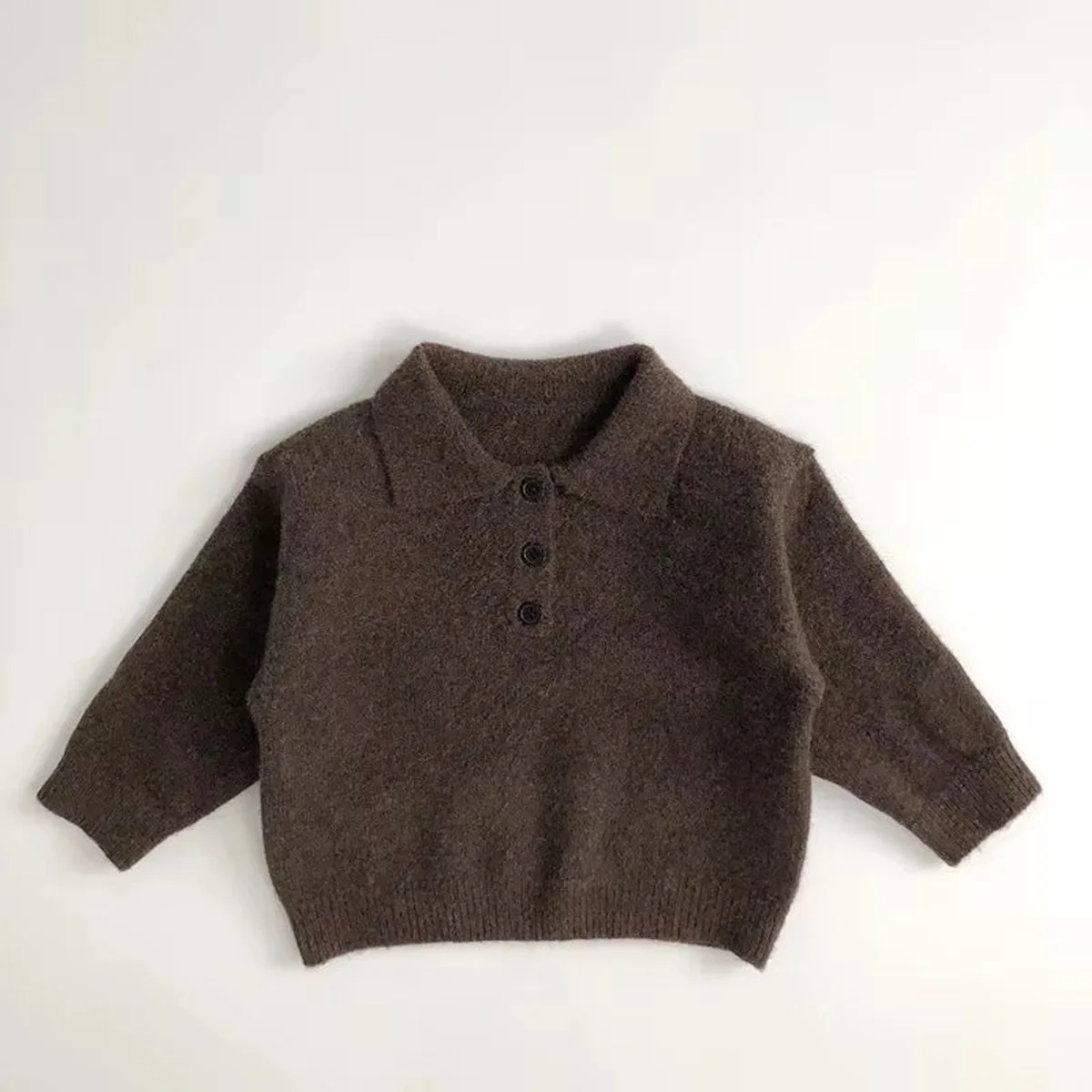
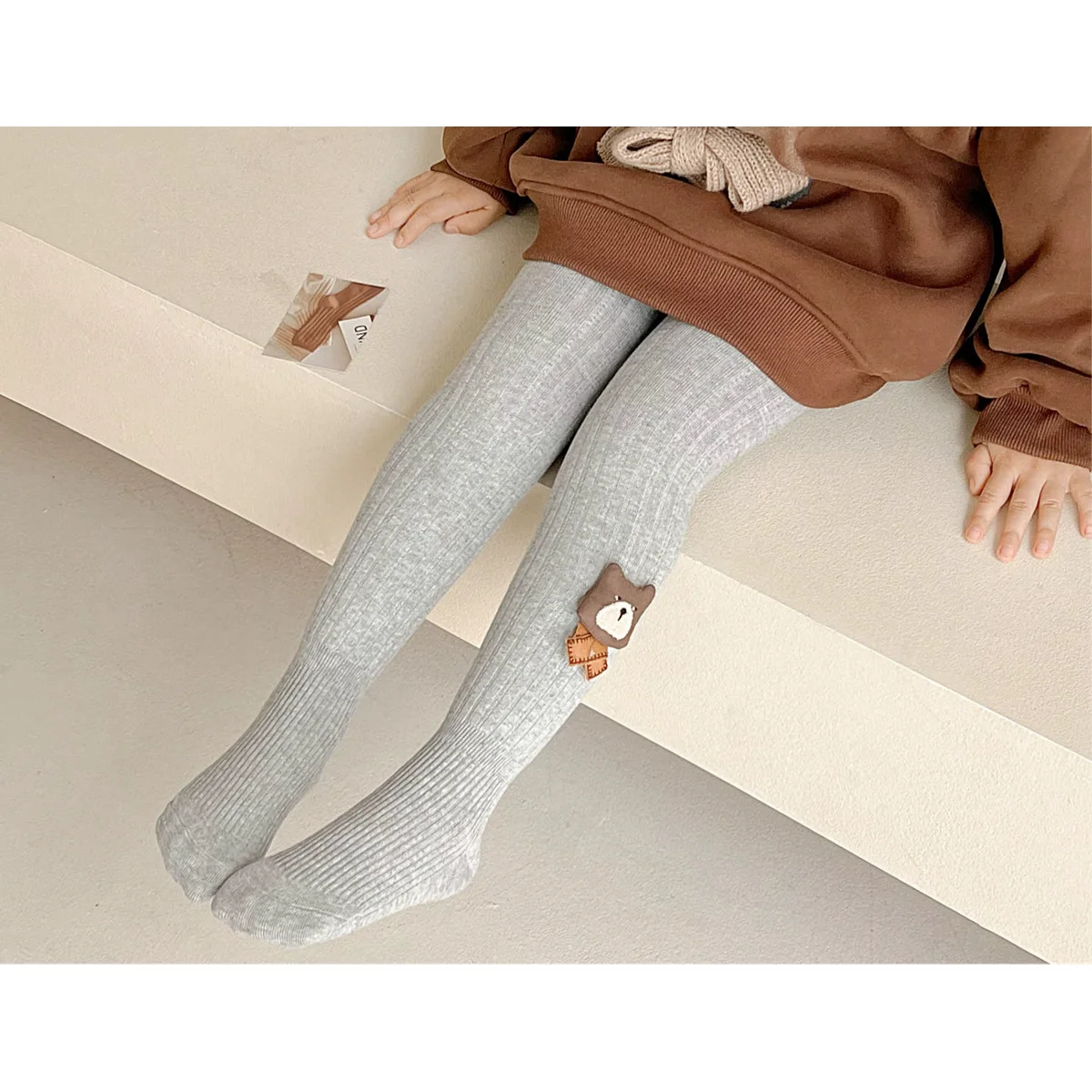
The maker's own age label is shown on every product; we do not add our own.
 Toddlers
 Toddlers

 Toddlers

 Toddlers

Written by Snugtot editors · updated Nov 13, 2026 · milestones after the CDC's "Learn the Signs. Act Early." program; sleep ranges from the AASM; feeding and vaccines from CDC and AAP guidance. General information, not medical advice; your pediatrician knows your child.