
Ages and stages / 8 years
Your 8-year-old
Eight is often a steady, sunny year. Many children this age are curious, eager to show what they can do, and quite social, with a growing sense of fairness and a strong interest in rules, games, and how things work. Friendships matter more and more, and some children start to care a lot about being liked. The big change this year is often independence: many want to make small decisions, manage simple tasks, and be trusted with more. Parents usually notice first how much longer conversations have become, how quickly reading and math are advancing, and how a child may now argue a point, ask why, or want to do something alone. Some children also begin to compare themselves with classmates, so reassurance and praise for effort tend to land well.
Sleep
9–12 hours
in 24 hours, naps included; no nap.
Clothing size
8–9 (kids)
by height. Check the maker's height chart; brands differ more than in baby sizes.
Car seat
Booster seat until the adult belt fits: lap belt on the thighs, shoulder belt across the chest, usually 4 ft 9 in and age 8–12. Back seat until 13.
What most children do at 8 years
Most means about three in four, the CDC's framing. Many do these later and are fine; if several are missing, mention it at the next visit.
Moving
Most 8-year-olds run, climb, ride a bike, and jump rope with growing coordination. Many can tie their shoes, write neatly for longer stretches, and handle small tools like scissors or a ruler. Some children are very athletic already, while others take more time to develop these skills. Ranges are wide.
Talking and understanding
Most 8-year-olds read chapter books, follow multi-step directions, and tell longer stories with a beginning, middle, and end. Many enjoy jokes, word games, and explaining their ideas in detail. Some children speak more quietly or read more slowly, and both are common.
Social and feelings
Many 8-year-olds have a best friend and enjoy group games with clear rules. Most show a strong sense of fairness and may be upset by perceived unfairness. Some children are more shy or prefer one or two close friends, which is also typical.
Thinking and learning
Most 8-year-olds can plan a simple project, compare ideas, and think through cause and effect. Many enjoy puzzles, experiments, and collecting things. Attention span for focused work is often growing, though some children still need breaks and structure.
Sleep and feeding
Sleep at 8 years
9–12 hours in 24, no nap.
Most 8-year-olds need about 9 to 12 hours of sleep in 24, with no nap. Bedtime routines matter now, especially with homework, screens, and activities competing for time. Some children have trouble settling because of worries about school or friends, and that can show up as later bedtimes. A practical tip: set a consistent wind-down time about an hour before lights out, with reading or quiet talk rather than screens.
Ranges from the American Academy of Sleep Medicine, endorsed by the AAP. Under one: on the back, alone, in a bare crib.
Feeding at 8 years
Family food, 3 meals and 1–2 snacks. About 1,200–1,800 calories a day depending on age and activity, most of it from the family table. Milk 2–2.5 cups a day, water the rest. Breakfast matters for school; packed lunches that come home untouched are a signal, not a crime.
Most 8-year-olds eat three meals and one or two snacks, mostly from family food, and need roughly 1,200 to 1,800 calories a day depending on size and activity. They usually drink about 2 to 2.5 cups of milk a day, with water for the rest. Breakfast supports school focus, and some children eat little at lunch, which is common. A practical tip: pack lunches with a few familiar favorites, and let your child help choose and prepare foods to build interest.
Vaccines due around now
- Flu (every fall)
From the CDC child immunization schedule; your pediatrician's record is the one that counts. Full schedule →
Health at 8 years
Common concerns at this age include colds, stomachaches, sore throats, and occasional headaches, many linked to school and sleep. Some children are starting growth spurts, and some lose baby teeth steadily, which is normal. Yearly well visits are a good time to check growth, vision, hearing, vaccines, and dental health.
Worth a call to the pediatrician- Ask about your child's care if they seem unusually tired, pale, or lose weight without trying.
- Call if your child has ongoing trouble with reading, writing, or paying attention that is affecting school.
- Reach out if your child has frequent stomachaches, headaches, or sleep problems that last several weeks.
A fever of 100.4°F or more in a baby under 3 months is always a same-day call. Poison Control: 1-800-222-1222.
Play and safety
Things to do together
- Set up a simple backyard or park obstacle course with cones, a jump rope, and a few timed runs to beat together.
- Pick a board game with clear rules and take turns teaching each other new strategies over several evenings.
- Start a family cooking night where your child measures, stirs, and reads the recipe steps aloud.
- Build a short comic strip or stop-motion video together, letting your child plan the story and direct the scenes.
Toys that fit this age
Model and robotics kits · Strategy games and puzzles · Sports gear for a chosen sport · Craft and maker projects
Safety at exactly this age
- Bike riding brings new risks: wear a helmet every ride and teach traffic signals and how to stop safely.
- Your child may now use stoves, tools, or the washing machine with supervision, so talk through hot surfaces, sharp blades, and cord safety.
- Water safety matters around pools, lakes, and bathtubs; children this age can still drown quickly, so keep close watch and teach swimming skills.
Recent toy and children's product recalls
CHE-US Magnetic Robot Toys · U.S. CPSC · Nov 19
Fidlock Hermetic Dry Bags · Fidlock GmbH, of Hannover, Germany · Nov 19
Qpancy Children’s Pajama Sets · U.S. CPSC · Nov 19
Kakgold 4WD Stunt Vehicle Toys · U.S. CPSC · Nov 12
Questions parents ask at 8 years
How much sleep does an 8-year-old need?
Most 8-year-olds need about 9 to 12 hours of sleep in 24 hours, with no nap. Consistent bedtimes and a calm wind-down routine help. If your child seems tired during the day or has trouble waking, talk with your pediatrician.
Is screen time at this age a concern?
Many children this age use screens for school, games, and videos. Families often set limits on time and content and keep screens out of bedrooms at night. Talk together about what your child watches and plays, and keep some screen-free time each day.
When should my child start losing baby teeth?
Many children start losing baby teeth around age 6 and continue through about age 12. Some start earlier or later, and both can be normal. Brushing twice a day and regular dental checkups support healthy adult teeth.
Why does my 8-year-old have more tantrums or big feelings?
Strong feelings are common as children gain independence and face school and friendship pressures. Naming feelings, staying calm, and offering a choice can help. If outbursts are frequent or hard to manage, ask your pediatrician for guidance.
How do I know if my child is ready for school challenges?
Most 8-year-olds handle more homework and independent work, though readiness varies. Look for steady progress in reading and math, and a willingness to try. If your child struggles often or feels discouraged, talk with the teacher and your pediatrician.
Picks for an 8-year-old
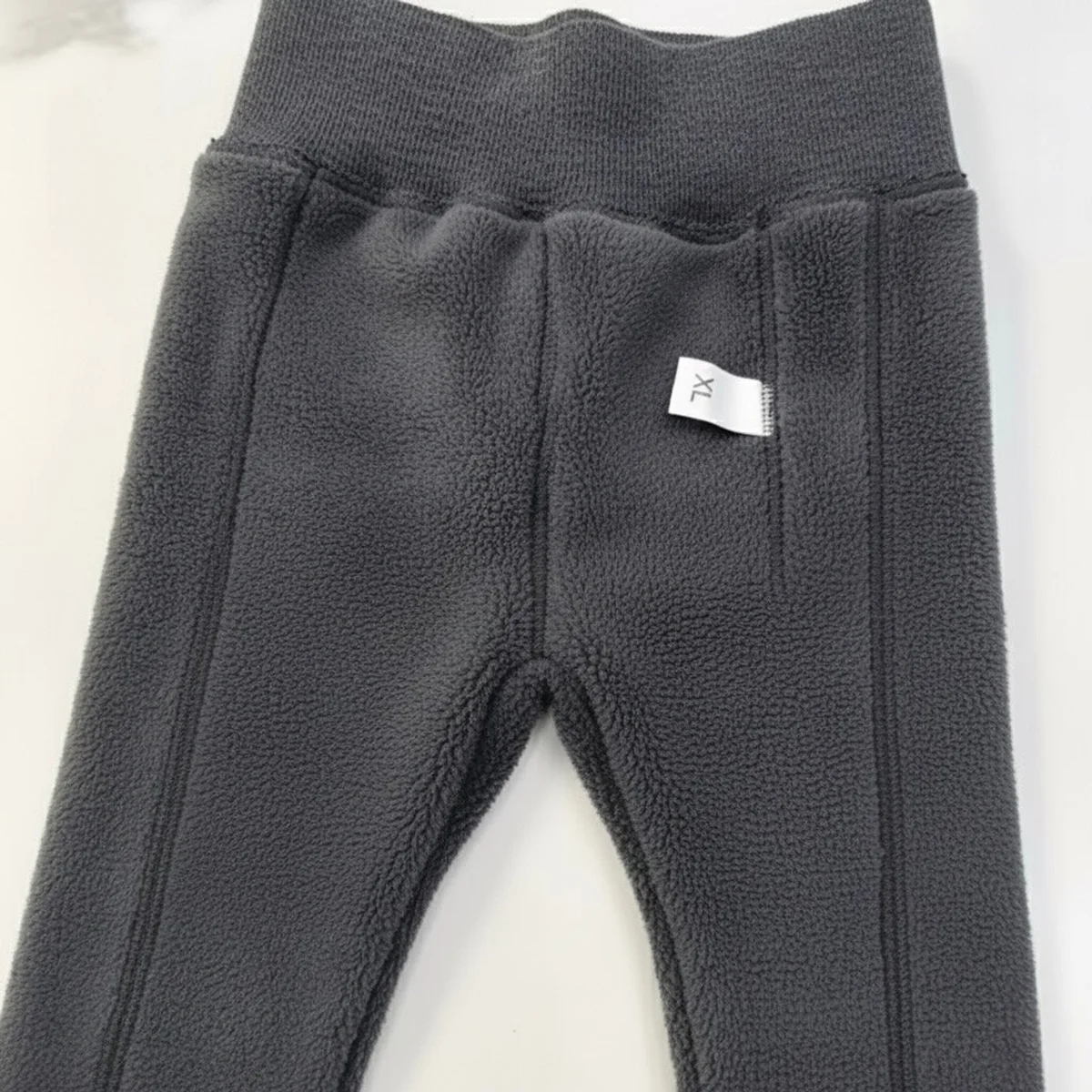
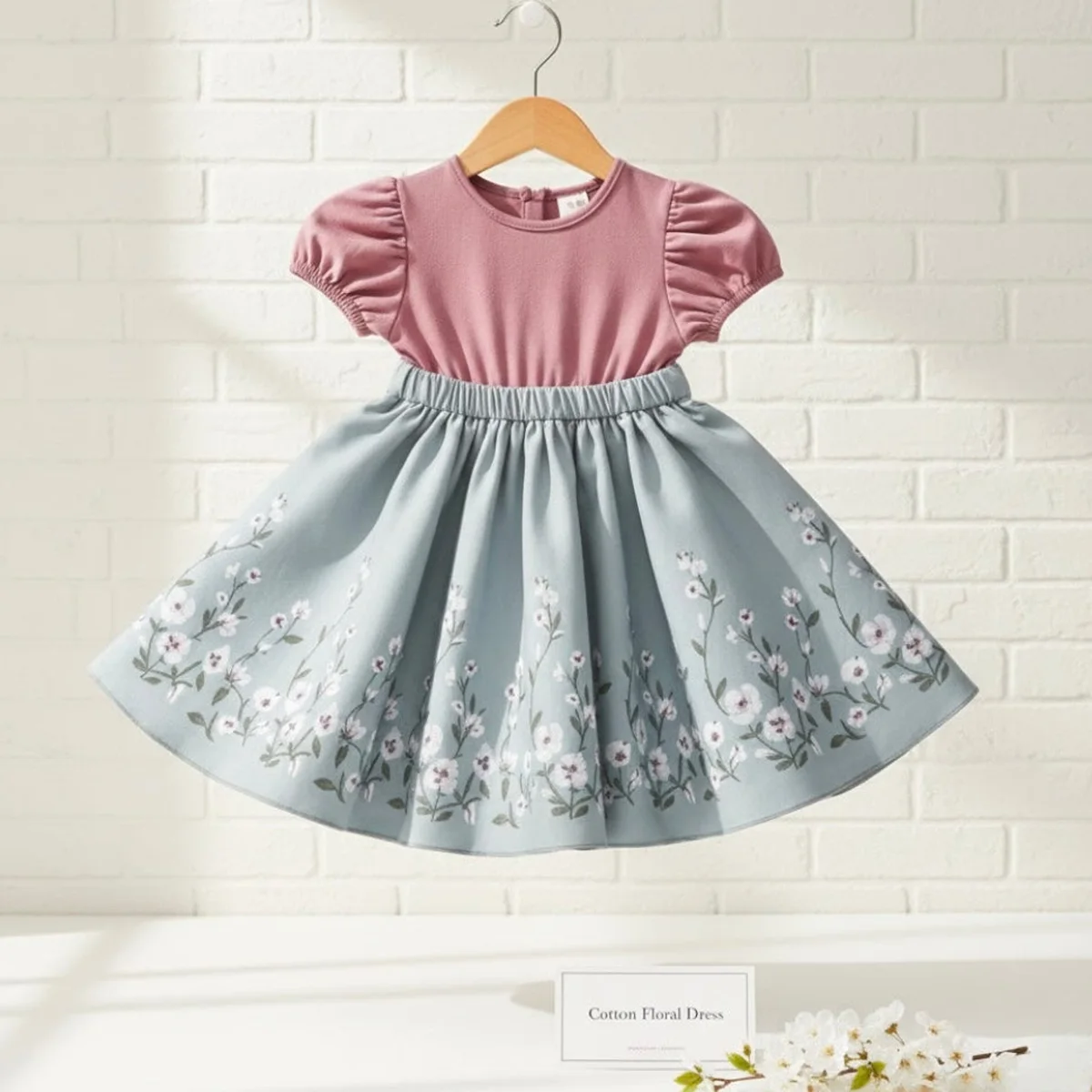
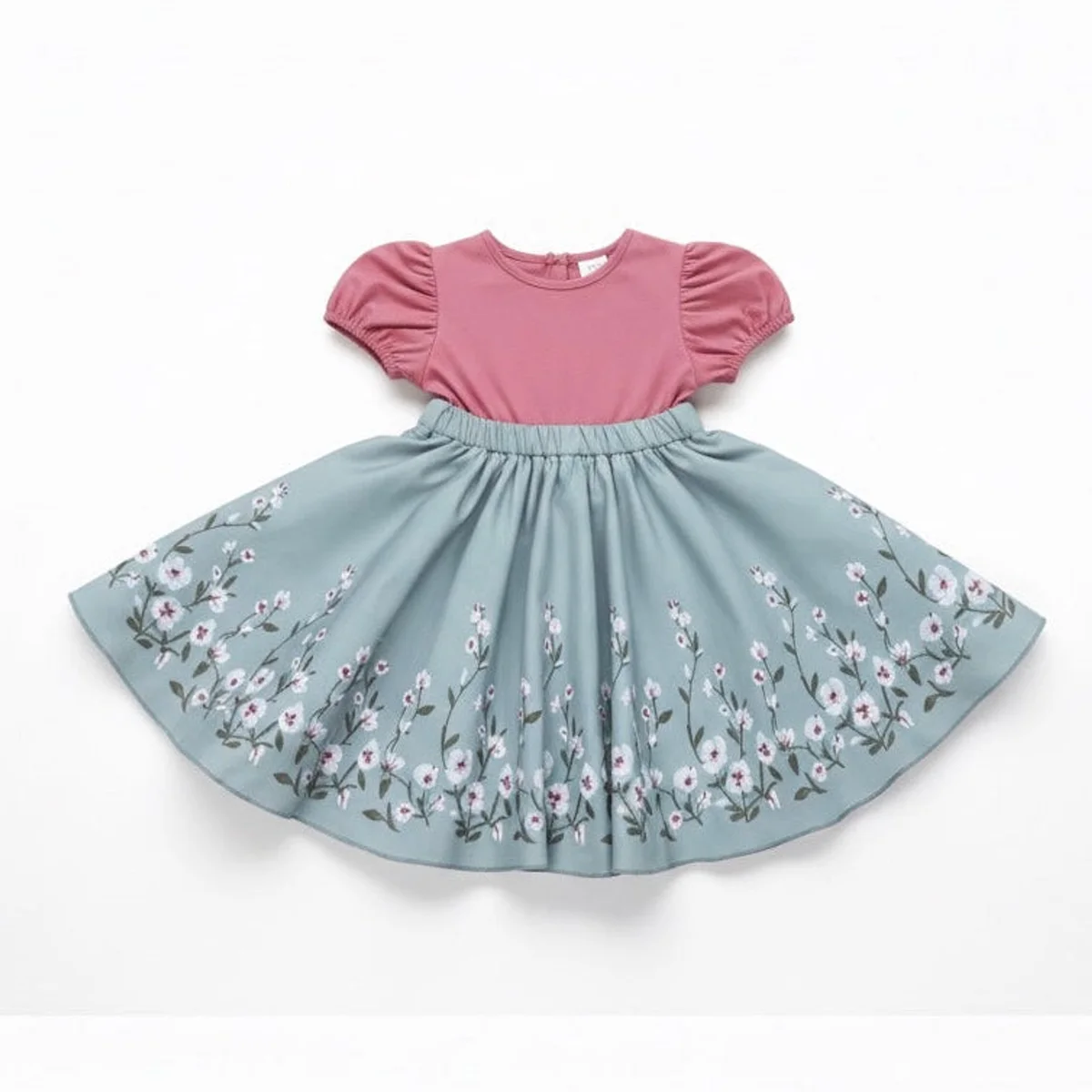
The maker's own age label is shown on every product; we do not add our own.
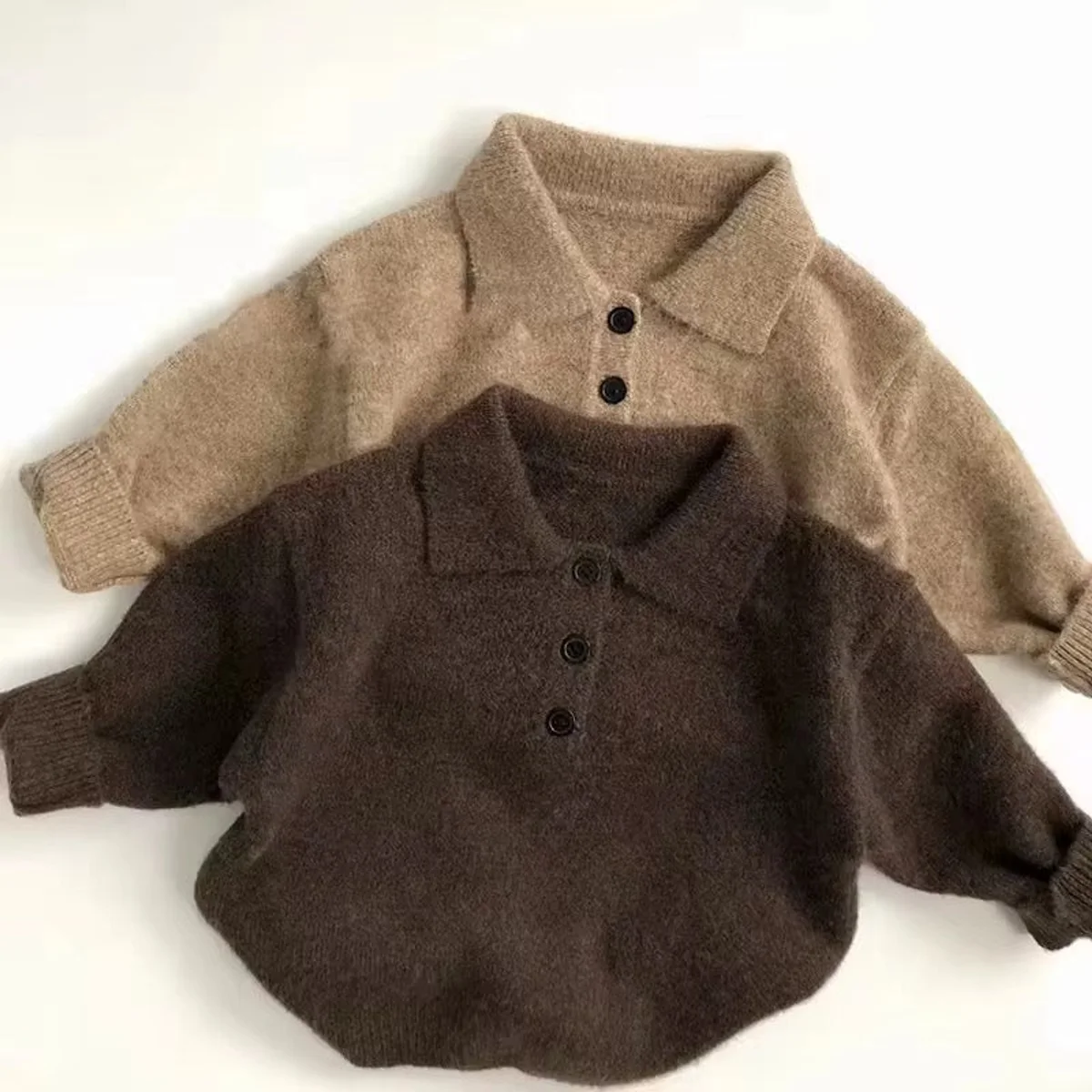 Toddlers
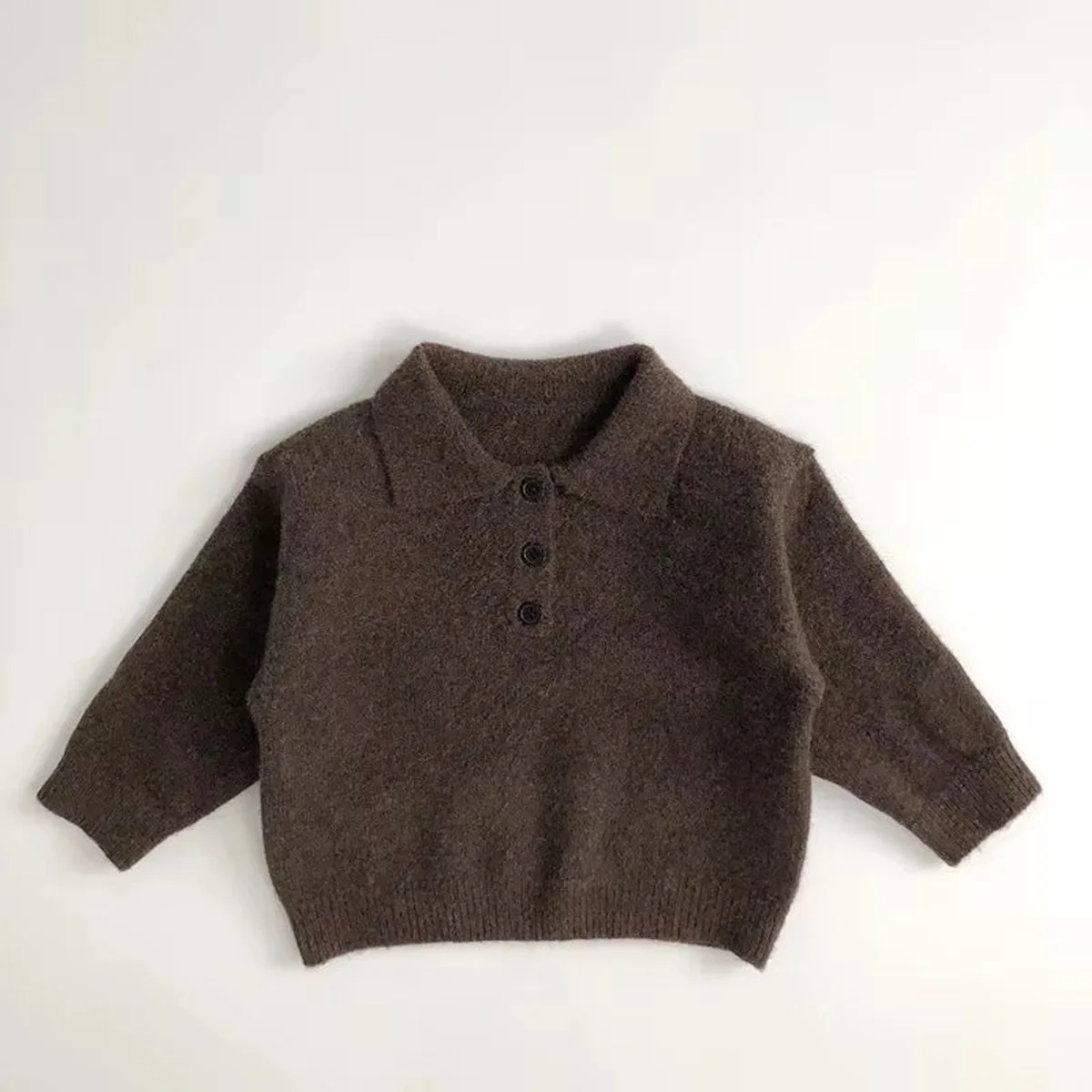
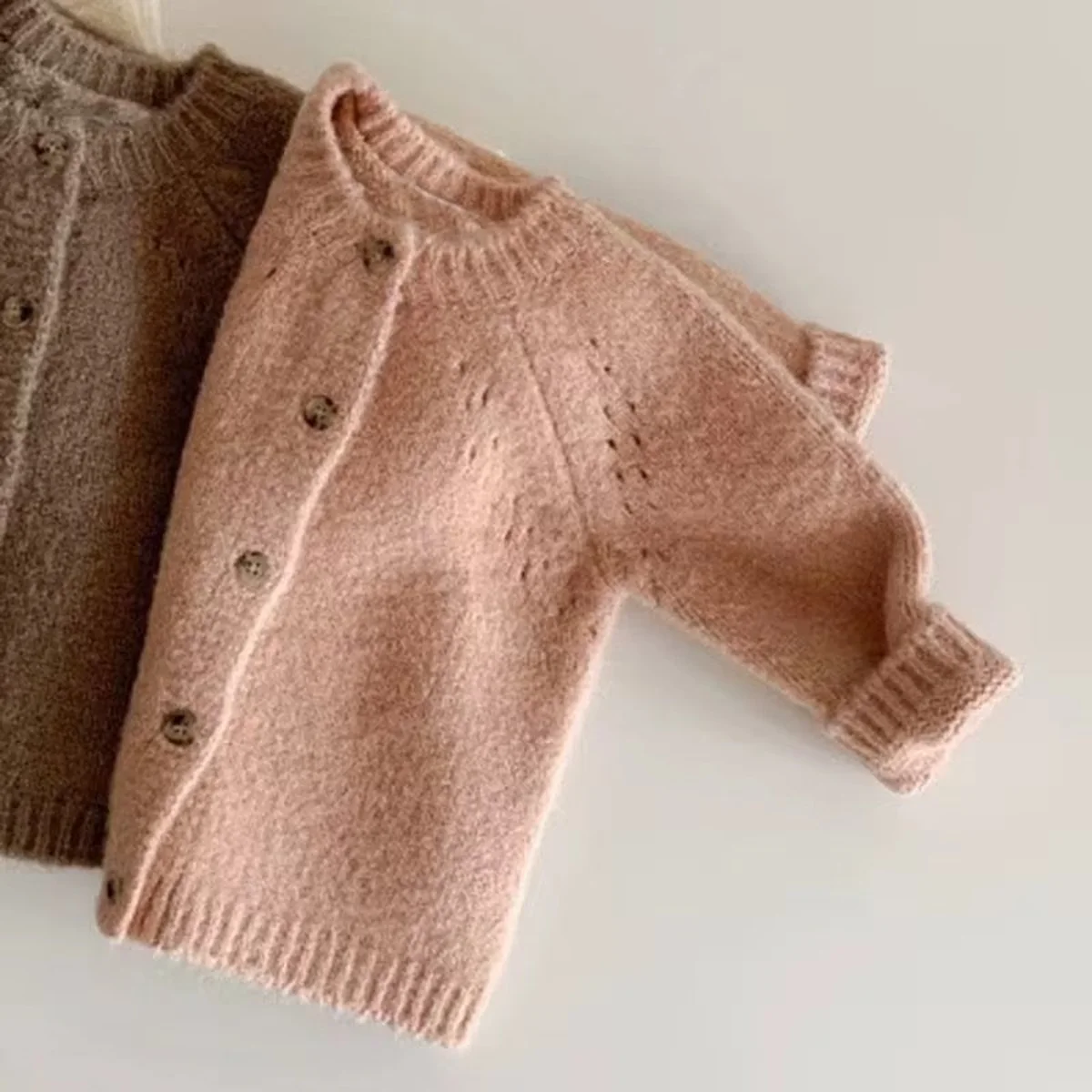 Toddlers

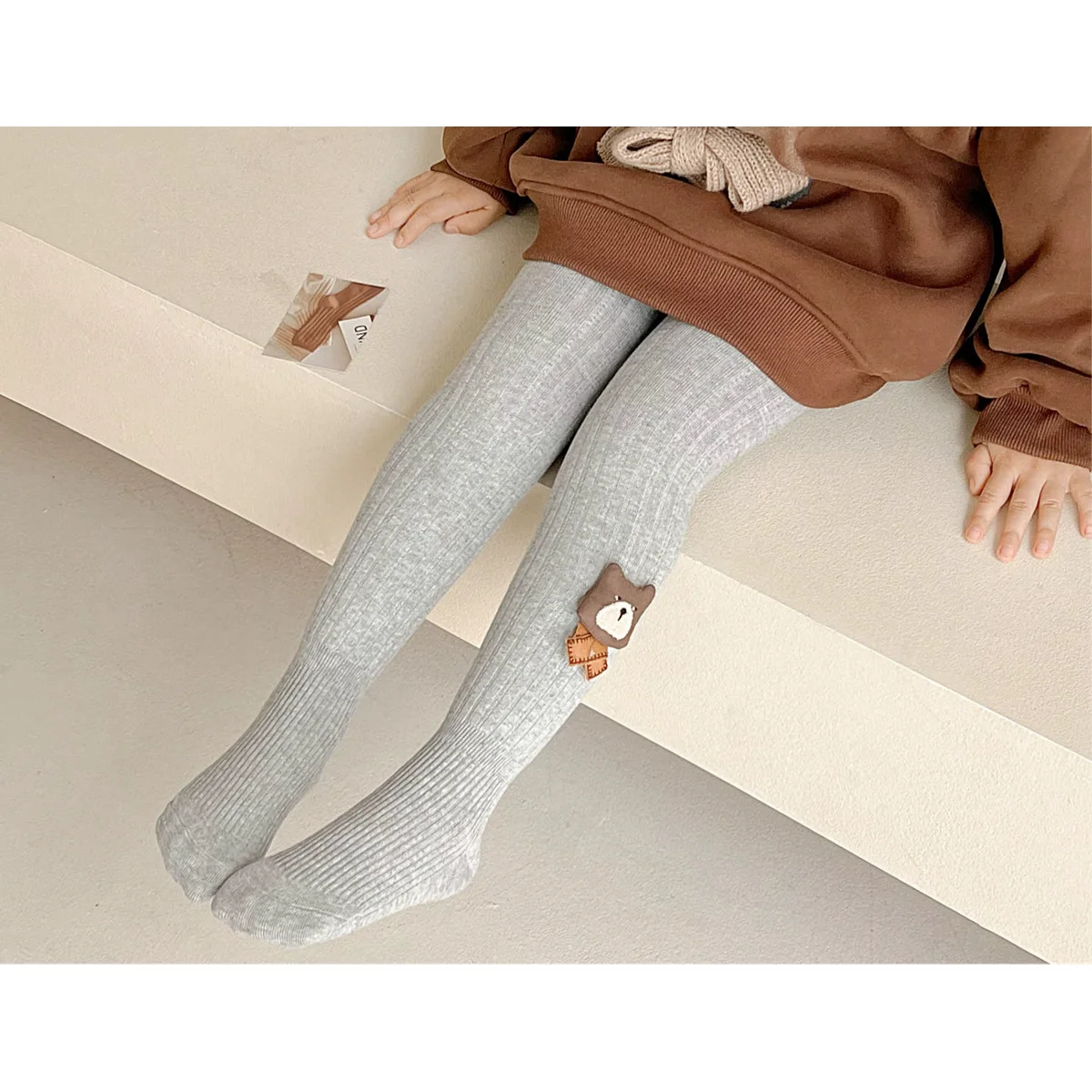 Toddlers
 Toddlers
Written by Snugtot editors · updated Nov 13, 2026 · milestones after the CDC's "Learn the Signs. Act Early." program; sleep ranges from the AASM; feeding and vaccines from CDC and AAP guidance. General information, not medical advice; your pediatrician knows your child.